Bangladesh Facts for Kids
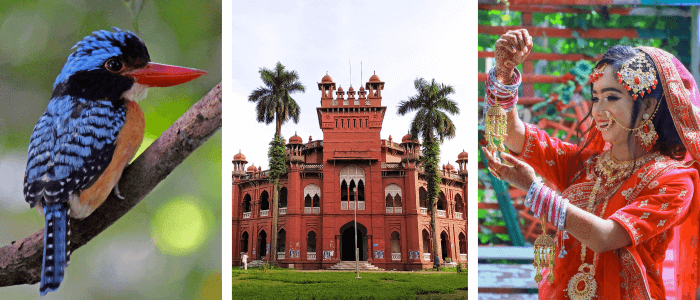 Bangladesh Facts: Kingfisher - University of Dhaka - Bride
What you will find in Bangladesh Facts for Kids:
First let's have a quick glance at the most important basic facts about Bangladesh:
Bangladesh Snapshot
|
Bangladesh Facts
Interesting Facts for Kids
Here are fun and interesting Bangladesh Facts which were chosen and researched by children especially for children.
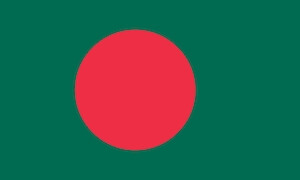 Flag of Bangladesh
- Continent: Asia
- Neighbouring Countries: India and Myanmar
- Population: 177 million inhabitants (2026)
- Capital city: Dhaka home to about 11 million people
- Official Name: People's Republic of Bangladesh
- Government: Unitary parliamentary republic
- Language: Bangla (Bengali)
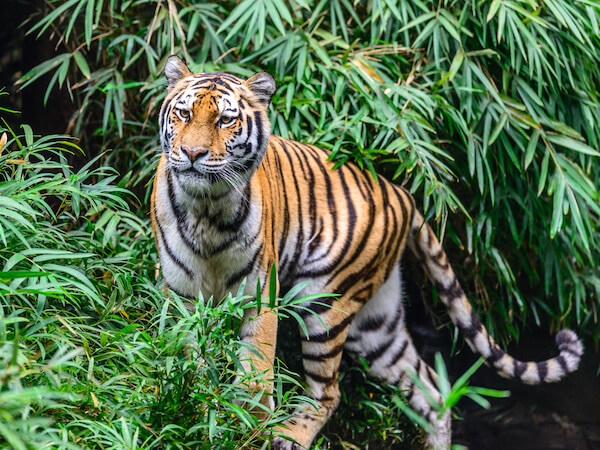 Bengal Tiger
- Religion: mainly Islam (90%), Hinduism (9%)
- Bengali New Year: Pôhela Boishakh is celebrated on 14 April
- Currency: Bangladeshi taka
- National Symbols: The shapla or white waterlily (national flower), the royal bengal tiger (national animal) and the mango tree (national tree)

- National Day: 26 March (Independence Day)
- National Anthem: "My Golden Bengal"
- History: The region was ruled by Buddhist Pala Empire from 750 to 1150 AD, then the Hindu Sena dynasty ruled in the region until the Muslim conquests in 1204. The Muslims then ruled when the region was part of the Bengal Sultanate and the Mughal Empire. After the British colonisation of Bengal, East Bengal became part of the Dominion of Pakistan and at that time. The region was known as East Bengal from 1947 to 1955. Bangladesh was referred to as East Pakistan from 1955 to 1971. A war of independence followed. Independence was declared in March 1971 but Bangladesh gained full independence only in December 1971.
Bangladesh Facts for Kids
Bangladesh Map
Bangladesh is a country in south-central Asia. The country shares land borders with India to the West, North and North East and Myanmar to the South East.
The country also borders the Bay of Bengal, which is part of the Indian Ocean, to the South.
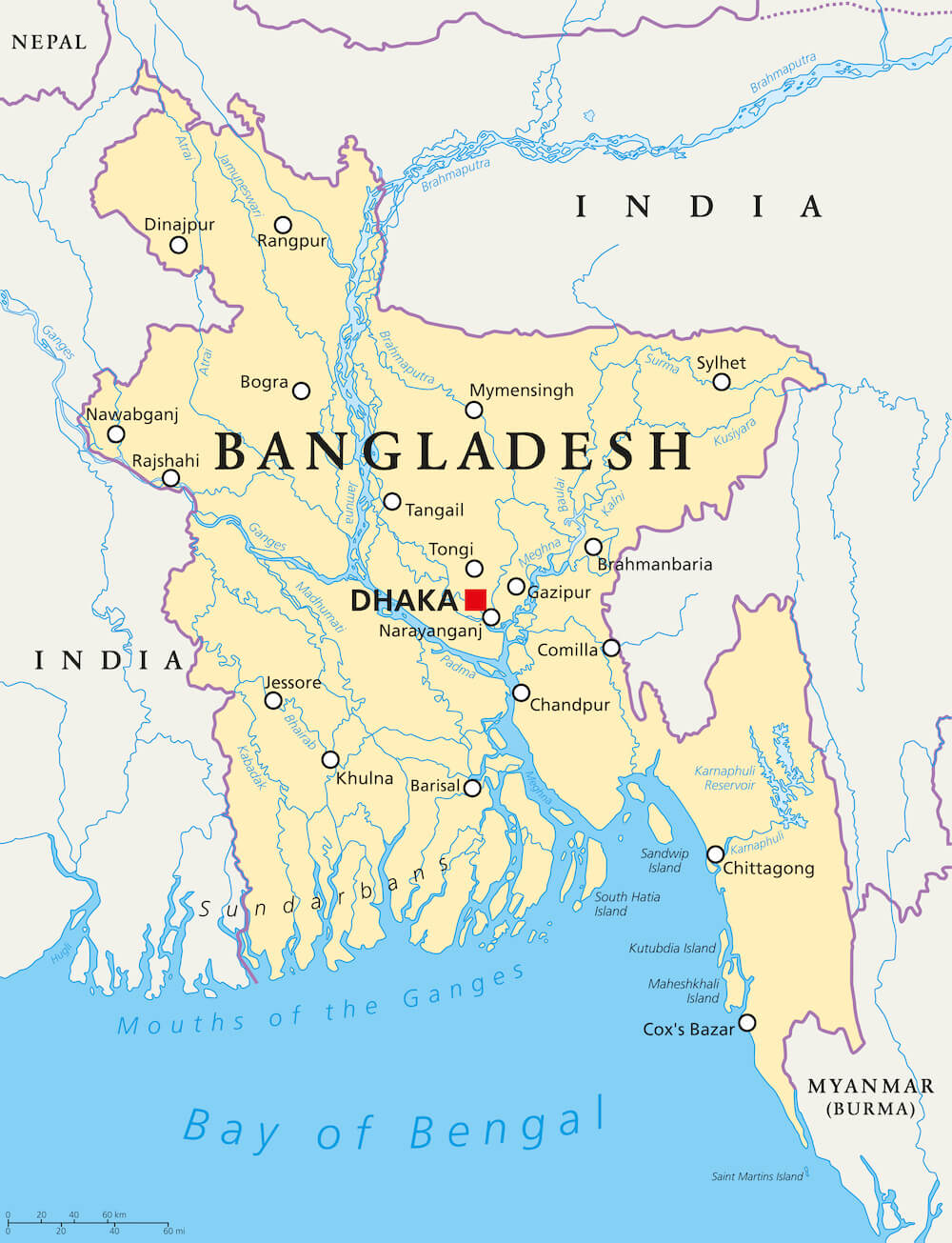 Map of Bangladesh
The coastline of Bangladesh stretches over about 580 km/ 360 miles long along the Bay of Bengal.
Bangladesh is slightly smaller in land area than the state of Colorado/ USA or about the size of Greece or England/ UK.
It takes a 12-hour flight from London/ UK to reach Dhaka/ Bangladesh, and 15 hours from Sydney/ Australia.
Bangladesh Geography
Bangladesh is a country in South Asia, that has been shaped by powerful rivers, a large and vibrant population, and unique natural environments such as the Sundarbans, the world's largest mangrove forest. Here the main features at a glance:
Rivers
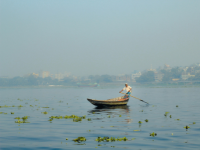
There are hundreds of rivers and waterways crossing the country. The low-lying country is located in the Delta of the Padma (Ganges) and Brahmaputra (Jamuna) rivers.
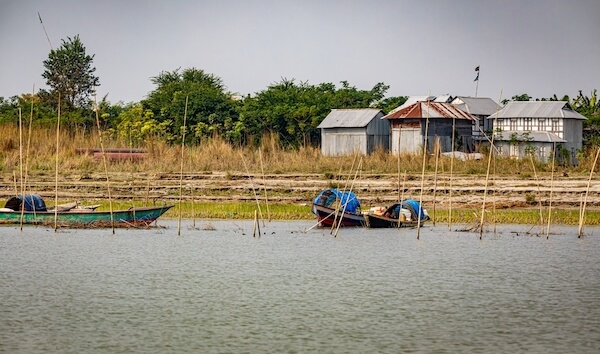 Fishing by the Palma (Ganges) River - image by Muzahid Karim
This delta is one of the largest in the world. Among the many other important rivers are the Meghna, the Teesta and the Karnaphuli rivers.
Did you know?
|
Rivers are important as they bring fertile soil, help farmers grow rice and other crops and are used for transporting goods. But they also cause flooding during the monsoon season.
Extremely high population density
Bangladesh is one of the most populous in Asia and one of the most densely populated countries in the world. Bangladesh is the fifth most populous country in Asia after India, China, Indonesia and Pakistan.
Bangladesh ranks also as one of the most populous in the world (8th) while the land area is only ranked at 92th place of all countries worldwide. This shows that the country is very densely populated! Over 177 million people live in a relatively small area.
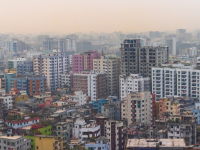
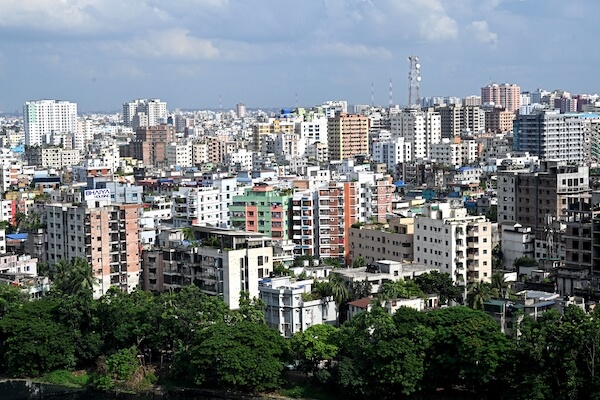 Dhaka cityscape - image by Mamunur Rashid/ shutterstock.com
The capital, Dhaka, is one of the most crowded cities in the world. Despite the many crowded cities, much of the population still lives in rural areas, in villages mainly near rivers, where land is fertile.
The Sundarbans
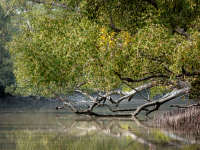
The Sundarbans is the largest mangrove forest in the world. It lies in southern Bangladesh along the Bay of Bengal and covers about 10,000 km² land in Bangladesh and the mangrove forest stretches also into India.
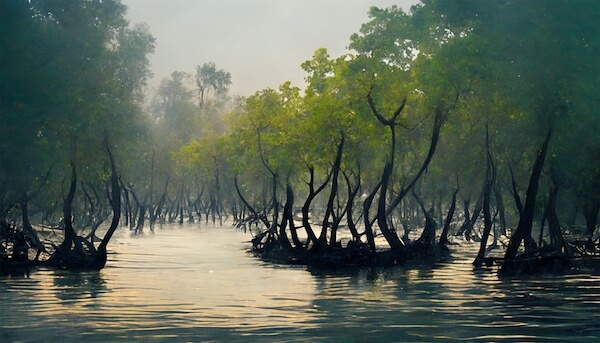 Sundarbans Mangrove Forest
About 60% of the Sundarbans are located in Bangladesh. The forest has many tidal rivers, creeks and islands and is home to crocodiles and river dolphins and the Bengal tigers.
Did you know?
|
The Sundarbans are a UNESCO World Heritage Site and recognised for their global importance. Millions of people rely on this mangrove forest for fishing and agriculture.
The Sundarbans are under threat from climate change, rising sea levels and pollution, which makes protecting them even more important.
Bangladesh Geography
Geo Superlatives
1. Bangladesh is the most densely populated large country in the world. Most of the population lives in rural areas, but the cities are amongst the world's most densely populated.
2. Dhaka is a megacity and is the largest city of the most populated cities in the world. The second most densely populated megacity is Mumbai in India! Dhaka houses over 20,000–30,000 people per km² in central areas. In general, more than 1,300 people per km²/ 3,450 people per mile² live in the metropolitan area, which is about the population density an average U.S. city would have.
3. The fertile flood plains of the three main rivers Padma (Ganges), Jamuna (Brahmaputra) and Meghna, and their tributaries cover almost 80% of the land area of the country. There are about 700 rivers in Bangladesh, but the main river systems feed down from the Himalayas.
4. The longest river in Bangladesh is the Padma River (Ganges) with 549 km/ 341 miles. The longest bridge of Bangladesh also crosses over this river south of Dhaka and has a length of 6.15 km/ 3.82 miles. This is a two-level bridge with 4 lanes of road and railway tracks.

Did you know that padma means lotus flower in Sanskrit? While the Padma is the longest river, the Jamuna is the fastest flowing and the Meghna is the widest river.
5. The largest island of the country is Bhola Island, which is situated in the Meghna river near the Bay of Bengal.
6. Although only about 14% of the country is forested, the southern parts of Bangladesh are covered by the world's largest tidal mangrove forest called the Sundarbans. The area of this mangrove forest is almost as large as the US state of Delaware/ USA or as big as Luxembourg or Mauritius.
7. The highest place in Bangladesh is in the Chittagong Hills and called Saka Haphong, which is also referred to as Modowk Taung. The mountain is 1,052 m/ 3,451 ft tall.
8. Cox's Bazar in eastern Bangladesh is the often named as the longest uninterrupted natural beach in the world as it stretches over 125 km/ 75 miles.
9. The Bangladesh Plain is located at the Tropic of Cancer and as such has a monsoon climate which comes with heavy seasonal rainfalls and hot temperatures as well as high humidity. Bangladesh is thus one of the world's countries that is most vulnerable to flooding.
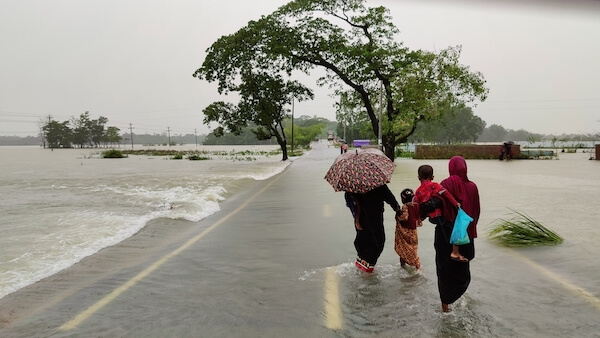 Flooding in Sylhet in 2024 - image by HM Shahidul Islam/ shutterstock.com
10. The climate is tropical, with a mild winter from October to March, a hot and humid summer from March to June and a warm and rainy monsoon season from June to October.
Bangladesh Facts for Kids
Landmarks and Attractions
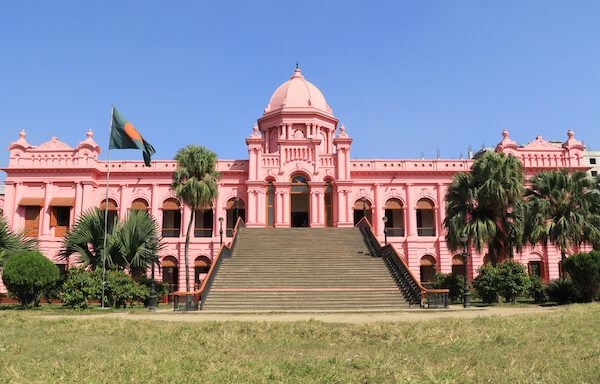 Ahsan Manzil or Pink Palace
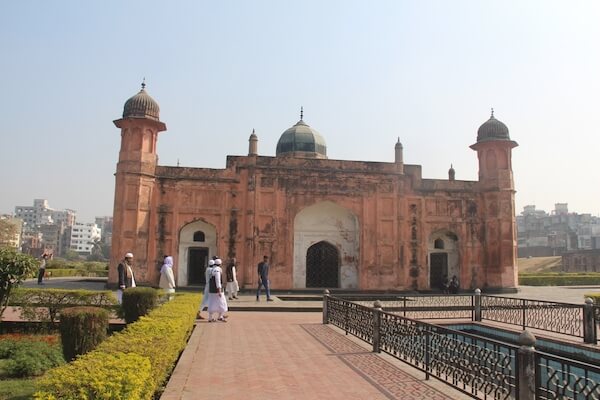 Lalbagh Fort Tomb House of Pori Bibi - image by Aminul H/ shutterstock.com
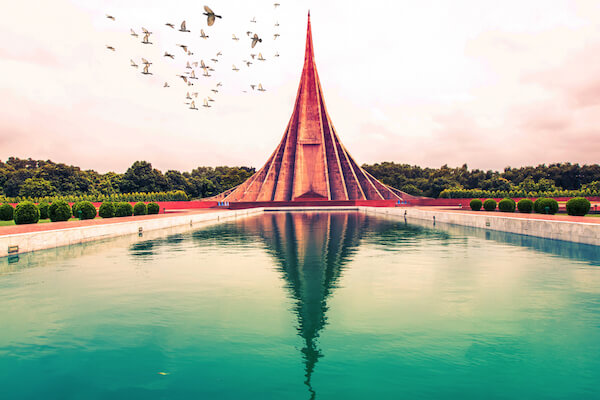 National Martyrs' Monument in Savar near Dhaka
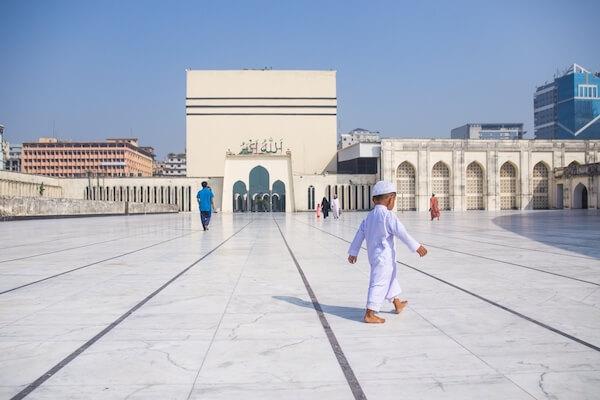 Bangladesh National Mosque Baitul Mukarram
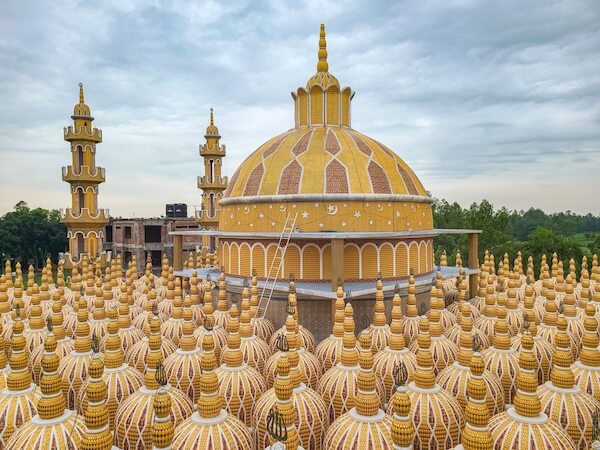 201-dome mosque in northern Bangladesh
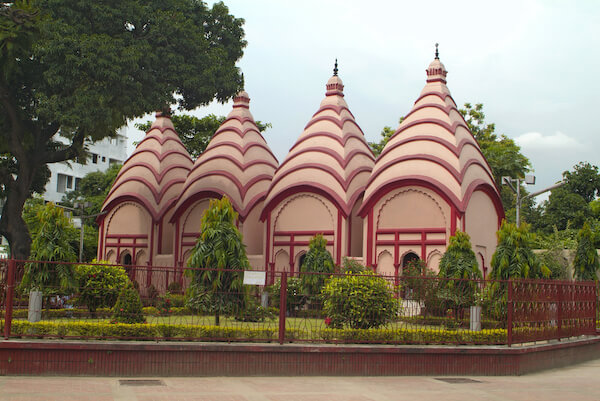 Dhakeswari temple
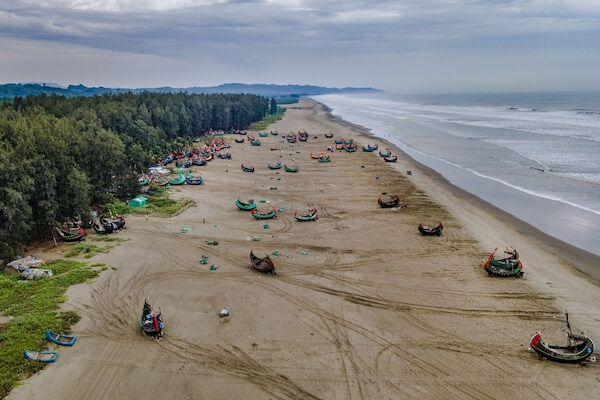 Traditional fishing boats in Cox's Bazar
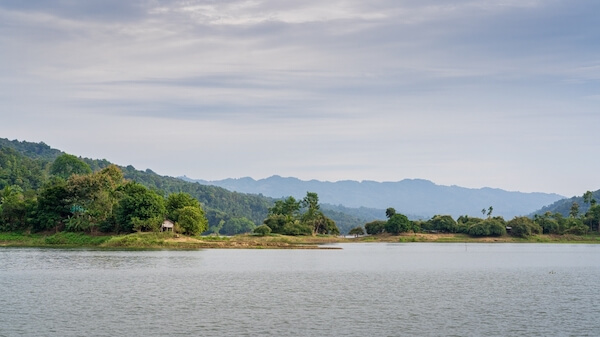 Chittagong Hills in Bangladesh
Bangladesh Facts
Animals in Bangladesh
Bangladesh has a rich wildlife and is one of the biodiversity hotspots in the world. There are more than 820 bird species in Bangladesh and colourful birds such as the bee-eaters are common sight.
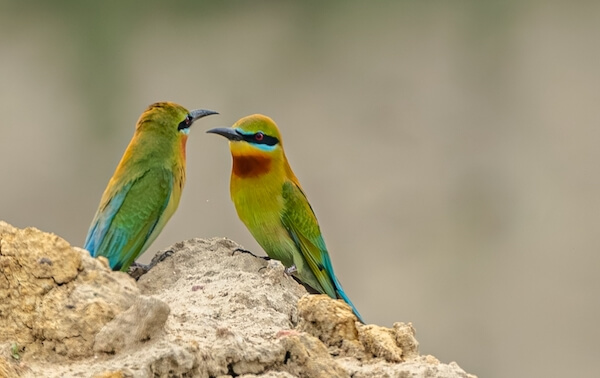 Blue-tailed bee-eater
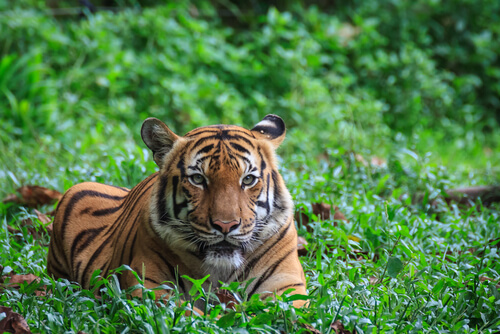
The national animal is the Bengal Tiger. These tigers live in the mangrove forests of the Sundarbans and are strong swimmers who can travel between islands and rivers in the forest.
The mangrove forests of the Sundarbans are home to the endangered Bengal tiger, the elusive clouded leopards as well as the black panther and the Asian black bear and the Asian elephant. There are wild boars and macaque monkeys.
Domesticated elephants are still used to haul logs in the Sundarbans. The sambar deer is the largest but also most endangered deer species in Bangladesh. The chital or spotted deer is also found in the Sundarbans.
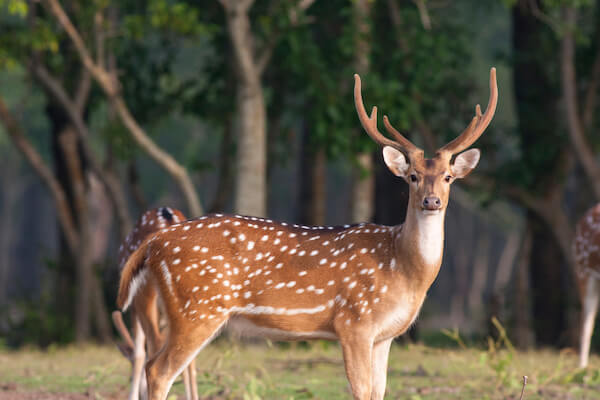 Chital in Nijhum Dwip National Park in Bangladesh
St. Martin’s Island is the only coral-bearing island of Bangladesh and as such is protected as a marine park housing endangered turtles and some unique coral species. Among the marine wildlife are also spinner and Irrawaddy dolphins and the endangered species such as the giant grouper or the knife-tooth sawfish.
Did you know?
|
This island south of Cox's Bazar has imposed tourist restrictions recently to preserve the pristine nature.
Deforestation and habitat loss due to pollution, especially plastic pollution, wildfires and mining activities are the main threats to biodiversity in Bangladesh.
Bangladesh Facts for Kids
People & Culture
About 60% of the people in Bangladesh live in rural areas, while 40% live in the densely populated cities.
The largest city of Bangladesh is the capital city Dhaka with about 11 million inhabitants. Dhaka is also the main business hub of the country. The largest cities are Dhaka, Chittagong and Gazipur, which is the main centre for the textile industry in Bangladesh.
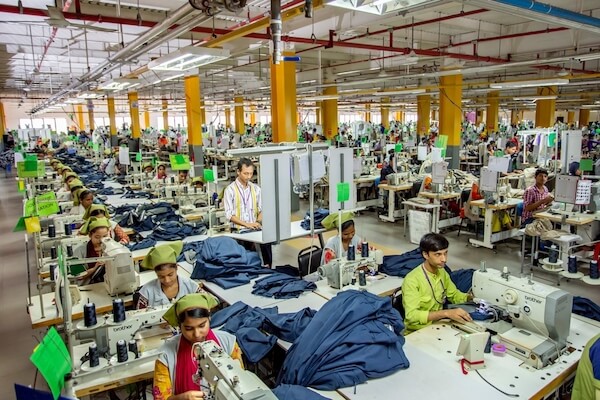 Textile factory in Chittagong - image by zakir1346/ shutterstock.com
Islam is the state religion and the capital city is often referred to as the 'city of mosques'. There are less than 500,000 Christians in Bangladesh, their largest annual event is Boro Din, that is how they call Christmas in Bengali. The Bengali Christmas is celebrated on 25 December.
Amongst the major traditional festivals in Bangladesh are the Bengali New Year celebrations called pahela baishakh celebrated on 14 April, the spring festival pohela falgun on 14 February and shakrain, a unique kite festival celebrated in Dhaka on 14 January.
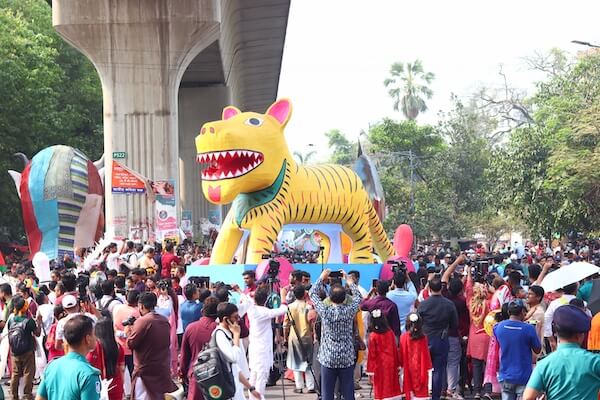 Bangladesh celebrations on 14 April - image by mdaslamhossain6600 / Shutterstock.com
Although the official language is Bengali, English plays and important role in businesses and schools.
The traditional folk theatre groups called "Jatra" are an important part of Bengali culture, especially in rural areas. The plays include heroes, myths and legends and commonly tell stories of love and tragedy.
Kathas are the traditional quilt that are delicately embroidered by hand. Especially in rural areas, women stitch stories, patterns and traditions motifs onto pieces of recycled fabric such as old sarees or dress. Kathas are used as blankets and bedspreads or floor mats and other home decor.
Cricket and soccer (football) are the most popular sports in Bangladesh, while kabaddi is the national game played in Bangladesh. This is a contact sport and played with two teams of seven players. Playing kabaddi involves catching and tagging each other.
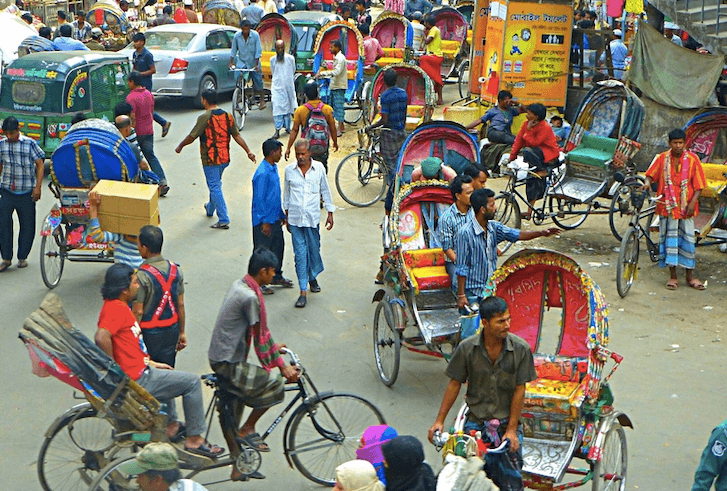 Rickshaws - image by Wirestock Creators/ shutterstock.com
In Bangladesh, colourful cycle rickshaws are a popular form of transport. There are hundreds of thousands of rickshaws in Dhaka, making Dhaka one of the largest rickshaw cities in the world. In rural areas buffalo carts and horse carts (called in Bangladesh tomtoms) are commonly used for transport.
Here is a short video by the official site of Bangladesh Tourism, showing you some highlights of the country:
Bangladesh Facts for Kids
Bangladeshi Food
The cuisine of Bangladesh is varied due to the many influences in the region, but staple food is steamed white rice and fish as well as stir-fried and curried vegetables. The national dish is called hilsa.
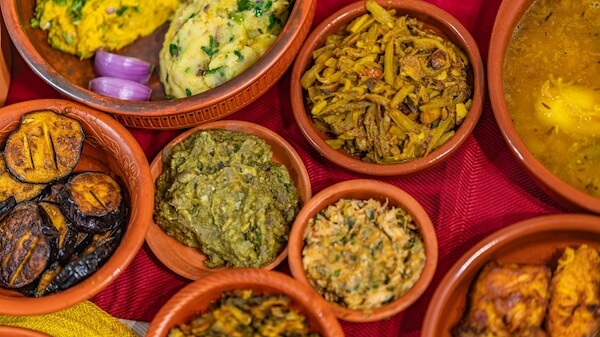 Assorted Bangladeshi dishes - image by Muzahid Karim/ shutterstock.com
Typical Bengali Food:
- Hilsa: This specific fish curry is made with smoked fish that is also referred to as "ilish", a herring species. The oily fish is smoked and then prepared with a yellow mustard seed paste.
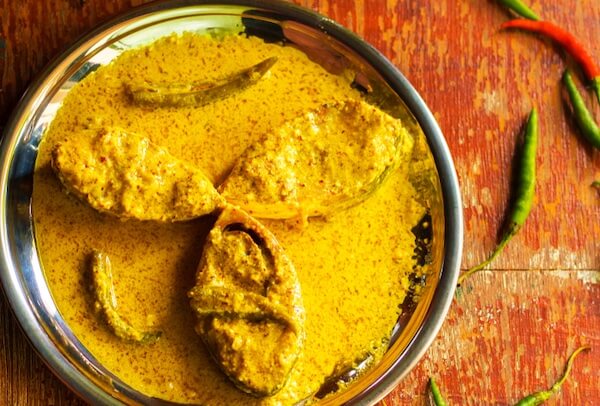 Hilsa
Hilsa- Kala Bhuna: This beef or mutton stew is in a special spicy sauce made with cardamon, cinnamon, ginger, cloves, turmeric, cumin, chilli and mustard oil.
- Biryani is an Asian rice dish popular also in Bangladesh made with a variety of ingredients such as meat, seafood and vegetables.
- Rasmalai: Bengali desert which includes cottage cheese balls soaked in clotted cream sauce
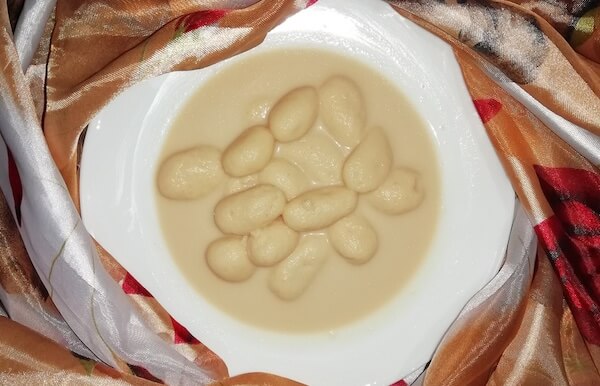 Rasmalai
- Rasmalai: cheese balls soaked in clotted cream sauce
- Phuchka: a typical street food made with hollow and crispy fried puris - similar to the Indian pani puri
- Nakshi pitha: Fried rice flour cakes made with jaggery and dipped in sweet sugar syrup, designed in a variety of shapes
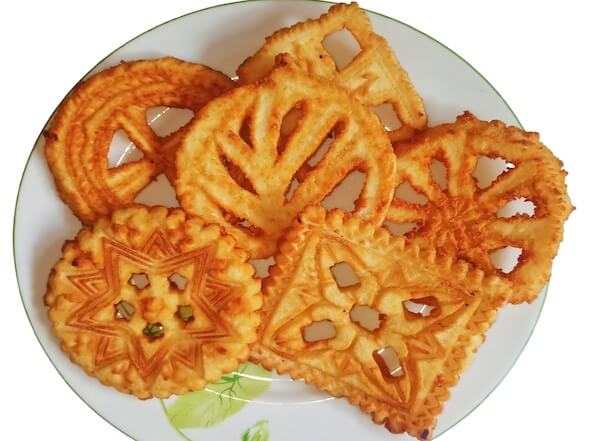 Nakshi pitha
- Chomchom: sweet desert made with cottage cheese and sugary syrup.
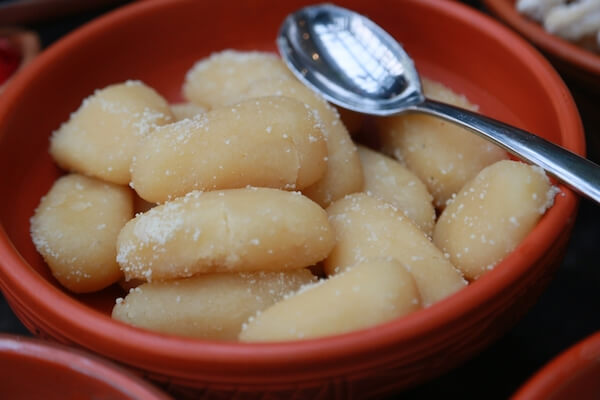 Chom Chom
Bangladesh Economy
Bangladesh is rich in petroleum and natural gas and has a fast growing economy. Most people work in the manufacturing sector. The main exports are clothing, footwear and textiles in general. Bangladesh is the second largest garments exporter in the world and the world's largest producer of Jute which is a vegetable fiber used for weaving. Jute is mainly used for making bags, rugs and ropes and is completely biodegradable and recyclable.
The main trading partners are China, India, USA and Germany.
The main agricultural products are rice, maize, sugarcane and tropical fruit as well as dried chilli. Bangladesh is one of the world's largest producers of dried chilli peppers and in recent years has ranked second after India.
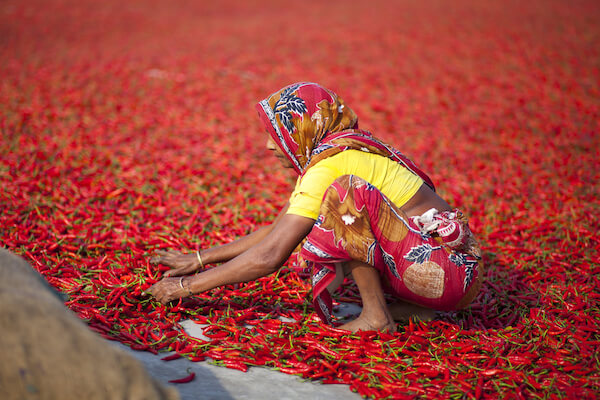 Drying chillis
Did you know?
|
Rice is the main food in Bangladesh and is grown across the fertile river plains of the Ganges Delta. Bangladesh is one of the largest rice-producing countries in the world.
Bangladesh Facts for Kids
Resources
- Bangladesh High Commission London. "Our Culture". Bhclondon.org.uk Last accessed 9 April 2026
- Beautiful Bangladesh Tourism: "Bangladesh". BeautifulBangladesh. Last accessed 9 April 2026
- Bangladesh Tourism Board. "Culture and Festivals" Tourismboard.gov.bd. Last accessed 9 April 2026
- Dilara Akter Jabin. "An Invaluable Gem of Biodiversity." Bengal Discover. 17 November 2024. Last accessed 9 April 2026
- Consulate General of Bangladesh in Sydney. "Bangladesh At A Glance." CGBDSydney.gov.au. Last accessed 9 April 2026
Popular Pages
 |
 |
Images on Bangladesh Facts for Kids: mainly shutterstock.com and canna.com, others from sxc.hu and own images.
Go back from Bangladesh Facts for Kids to Kids-World-Travel-Guide Homepage
Competition
2026
Recent Articles


-
Latvia Facts for Kids | Geography | Facts about Latvia | Baltics
Jun 01, 26 08:04 AM
Our Latvia Facts for Kids will share important and fun facts about Latvia, the Baltic country, geography, landmarks, animals and much more -
Bhutan Facts for Kids: Fun Country Guide
May 28, 26 10:40 AM
Read bhutan facts about Thimphu, Tiger's Nest, Gross National Happiness, and daily life in a fun and insightful guide to this Himalayan kingdom. -
Famous Spanish People for Kids: Artists, Kings & More
May 13, 26 11:16 AM
Learn about Spanish people, explorers, artists, athletes, scientists, inventors, actors and royals, and discover the men and women who shaped history!
Animals around the World
More about Countries and Territories in Asia
 Indonesia
 Nepal
Nepal
 Sri Lanka
 Thailand
Fun Facts

Did you like what you read?

|
Share this page with your friends! Simply use the html code below. Copy and paste onto your website, blog or Facebook page: <a href="https://www.kids-world-travel-guide.com/bangladesh-facts.html">Kids World Travel Guide: Bangladesh Facts</a> |
Like us on Facebook
Competition 2026