- Homepage
- Vietnam
Vietnam Facts for Kids
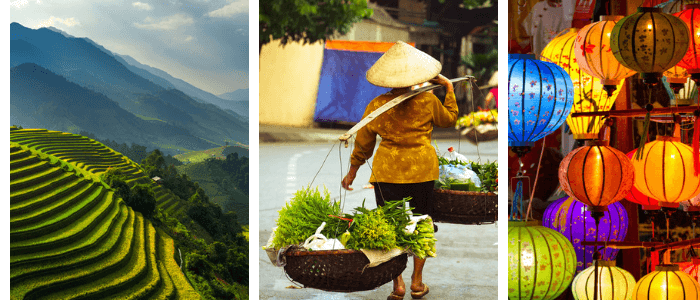 Vietnam Facts: Rice fields, traditional clothes, lanterns
What you will find on our page about Vietnam:
First let's have a quick glance at the most important basic facts about Vietnam:
Vietnam Snapshot
|
Interesting Facts for Kids
Here are some interesting Vietnam Facts which were chosen and researched by kids especially for kids.
- Continent: Asia
- Population: 102 million people live in Vietnam (2026)
- Capital: Hanoi with almost 9 million inhabitants
- Name: Socialist Republic of Vietnam or Viet Nam
- Government: one-party socialist republic
- National Holiday: 2 September (Independence Day)
- Official Language: Vietnamese
- Literacy: 95% of the adult population can read and write
- Religion: Folk religions our non-religious (about 80%), Buddhism (12%) Christianity (8%)
- Currency: 1 Vietnamese dong (VND) = 100 xu. However, coins are no longer accepted in shops. Mainly banknotes from 1000 Dongs upwards are used. 1000 VND equals 4 US cents or 3 British pence!
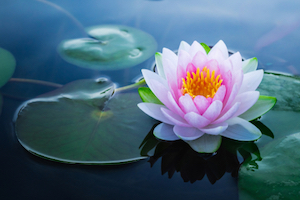 Lotus flower
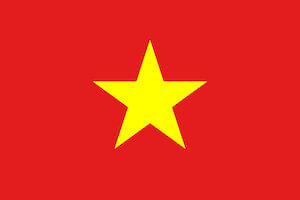
- National Symbols: five-pointed star on red field, lotus blossoms (national flower).
- National colours: red and yellow.
- History: Vietnam was ruled by the Hung kings since the 3rd century BCE. Chinese troops invaded the northern parts of the country in 111 BCE and then various Chinese dynasties ruled the area. Much later in 1880s, the peninsula was colonised by France. Vietnam, together with Laos and Cambodia, became part of French Indochina from 1887. France still ruled the country until 1954. Vietnam had declared independence under the leadership of Ho Chi Minh in 1945. However, France attempted to regain control which led to the First Indochina War (1946–1954). After gaining victory over France in 1954, Vietnam was divided into North Vietnam (communist) and South Vietnam (anti-communist). The country was then shuck by the violent Second Indochina War from 1955 until 1975. This war is also referred to as the Vietnam War. The Vietnam refer to it as the Resistance War Against America or American War. The fall of Sài Gòn/ Saigon occurred on 30 April 1975. The city Saigon was officially renamed to Ho Chi Minh City in 1976, in honour of the Vietnamese communist leader Ho Chi Minh who died in 1969.
Vietnam Facts | Location
Vietnam is located on the Asian continent, more exactly in Southeast Asia.
The country is located along the South China Sea. Vietnam is situated on the Indochinese peninsula and borders the countries Cambodia, China and Laos.
Vietnam's longest border is shared with Laos and is about 2,161 km/ 1,343 miles long. This border is one of the longest continuous borders between the two countries!
The capital city of Vietnam is Hanoi.
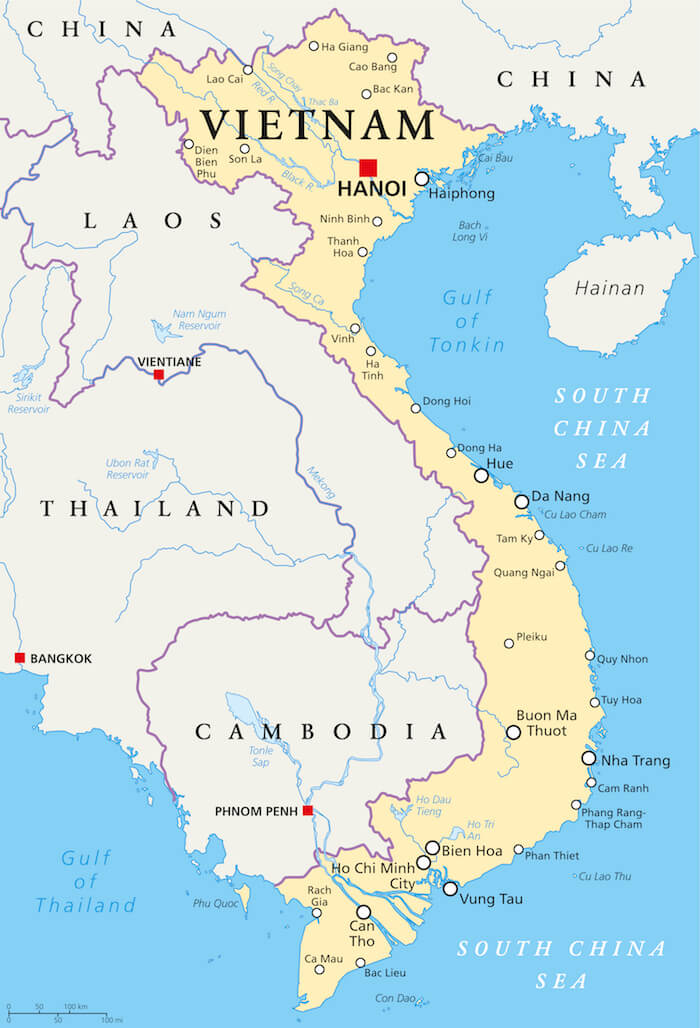 Vietnam Map
Vietnam has a coastline of about 3,444 km/ 2,140 miles length - not counting in the many islands!
Vietnam is slightly larger than the state of New Mexico/ USA and about half the size of France.
A flight from London/ UK takes roughly 12 hours and from New York/ USA a flight takes about 17 hours.
Vietnam Facts
Vietnam Geography
The country is very narrow and long. It stretches over 1,650 km/ 1,025 miles from north to south. At the most narrow point the country is just 50 km/ 31 miles wide!
Due to the shape, Vietnam has different climatic zones. The temperatures are generally higher in the southern parts than in the country's north.
Vietnam has many forested regions and rolling hills. High mountain peaks can be found in the northern parts of the country.
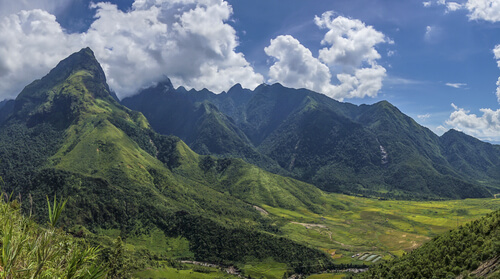 Fan Si Pan Mountain in Vietnam
- The highest point of Vietnam is Fan Si Pan, also called Phan Xi Pang and nicknamed 'Roof of Indochina'. The mountain is 3,143 m/ 10,312 ft high.
- The largest island is Phu Quoc. The island is located in the Gulf of Thailand. The island is closer to the Cambodian coast than to the Vietnamese southern coastline.
- Vietnam's biggest city is Ho Chi Minh City in the country's south. About 9 million people live in the city.
- The Son Doong Cave in Phong Nha-Ke Bang National Park is the world's largest cave passage by volume. It is about 5 km long, 200 m high and 150 m wide. (3.1 mi x 600 ft x 490 ft)
Vietnam Facts
Vietnam Attractions
- Hanoi is Vietnam's capital city. It is situated in the country's North. The buzzing city is Vietnam's major trading centre for centuries and it is fascinating to discover the historic past of the city.
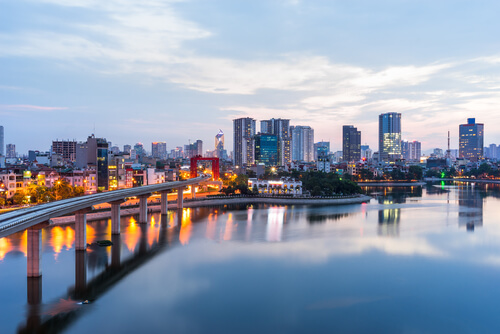 Cityscape of Hanoi
In the city's Old Quarter the streets are still named after the goods and wares that were once crafted and traded here, such as Hang Be Street - the street of the bamboo crafters, Hang Dao Street - the silk weaver street and Hang Tung Street, where once barrels were skilfully made.
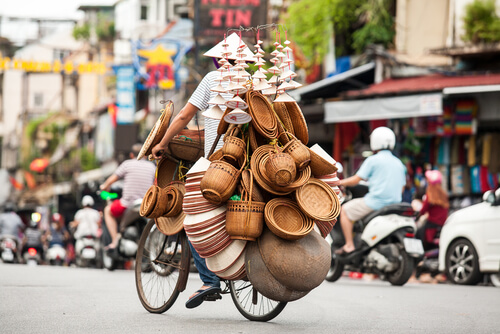 Street vendor in Hanoi's Old Quarter - image by Tony Duy
- Da Nang is the county's second biggest city. Due to its location at the Central Coast, the sandy beaches and nearby international airport, this is one of the most popular holiday destinations in Vietnam. It is easy to explore the nearby historic cities of Hue and Hoi An or the magnificent Marble Mountains from here.
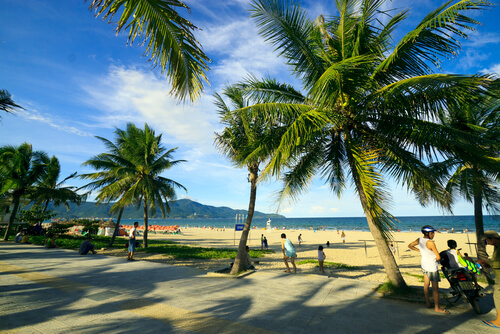 Da Nang Beach - image by John Bill
- The Golden Bridge near the mountain resort of Ba Na Hill further inland from Da Nang is a wonderful new attraction to explore as well. The new skybridge is 150 m/ 490 ft long and offers awesome views.
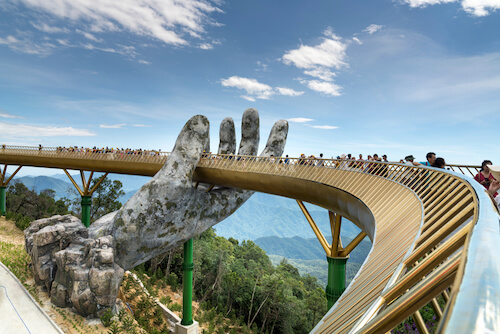 Golden Bridge - image by Quang Nguyen Vinh
And there the fascinating historic cities too! Hue and Hoi An are surely a must visit when in the central region of Vietnam.
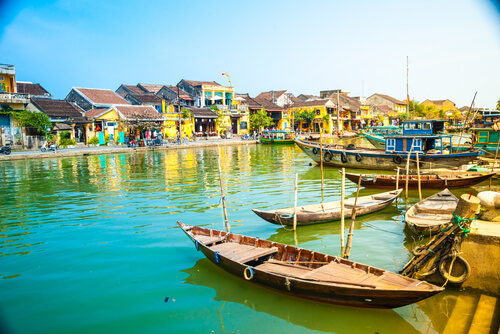 Hoi An in Vietnam is a UNESCO wold heritage site
- Hue: The city in central Vietnam was once the national capital from 1802 until 1945. The Imperial City of Hue with its palaces and temples also houses the Forbidden City and the royal palace which was the emperor's home for many centuries.
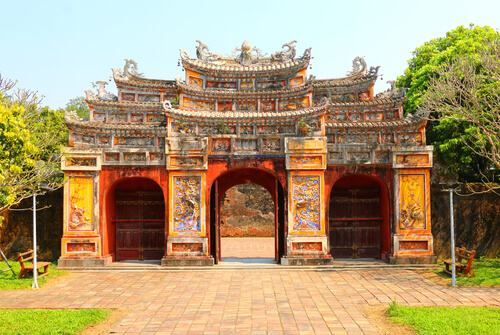 Forbidden City gate in Hue
- Phu Quoc: Vietnam's largest island attracts visitors to its clear turquoise waters and stunning beaches.
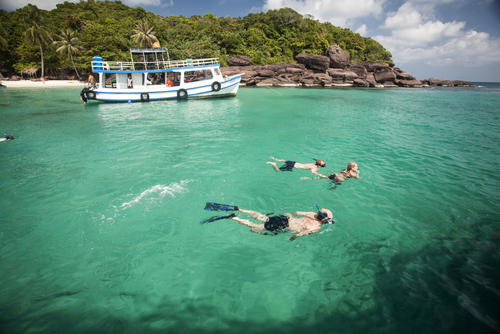 Snorkelling off Phu Quoc - image by Melinda Nagy
- The Mekong Delta in Vietnam has been voted among the best attractions to visit in 2019 by CondeNast Traveller magazine readers. The waterways in the southwestern part of the country can be explored by boat and traditional village markets can be visited.
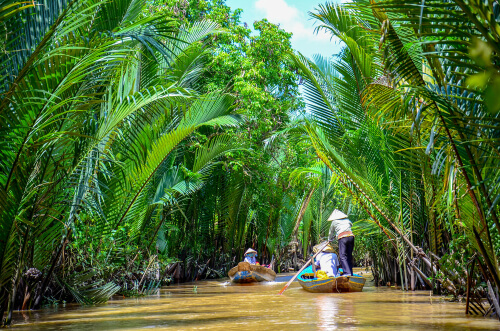 Mekong Delta
- Hạ Long Bay and its magical karst rock formations is among the most amazing wonders of the world.
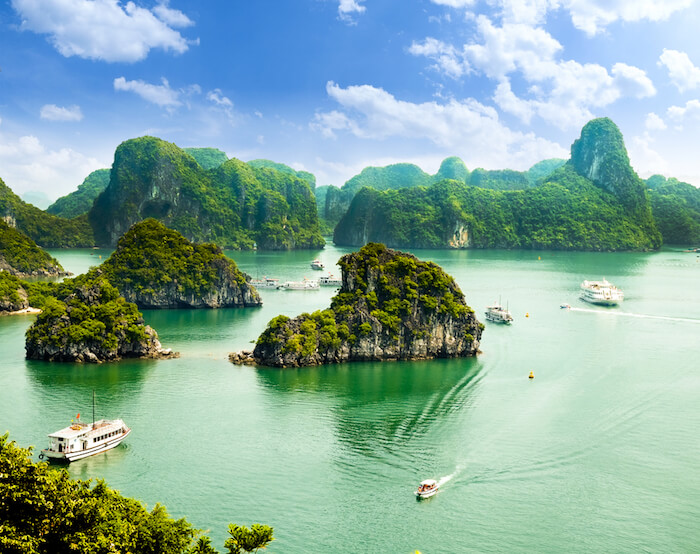 View of Ha Long Bay and the karst rock formations
Nearby Van Don International Airport opened in December 2018 and now it is much easier to reach this popular tourist attraction. The bay is home to about 2,000 local residents while already over 10 million tourists visit Hạ Long Bay every year!
Vietnam Facts | Vietnam Economy
The main agricultural products are rice, coffee, tea, pepper as well as soybeans, cashews, peanuts and rubber.
The main trading partners of Vietnam are China, Japan, South Korea and the USA. Exports from Vietnam include clothes, shoes, electronics, seafood, crude oil and rice. The main imports include machinery and equipment and raw materials for their manufacturing industries.
 Containership on the Saigon River near Ho Chi Minh City
Vietnam Facts
People of Vietnam
Vietnam is a country of contrasts with large and busy cities as well as vast rural landscapes. Only 36% of the population live in urban areas of the country. The majority of the people live in the fertile regions of the Red River Delta in the north of the country and in the Mekong Delta and Ho Chi Minh City in the south.
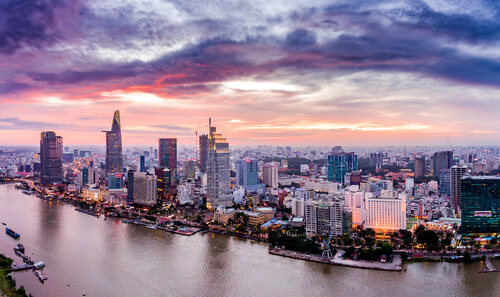 Ho Chi Minh City
The largest city of the country is Ho Chi Minh City, formerly called Saigon, where more than eight million people live. Other major cities with more than one million inhabitants are Da Nang, Hai Phong, Can Tho and the capital city Hanoi.
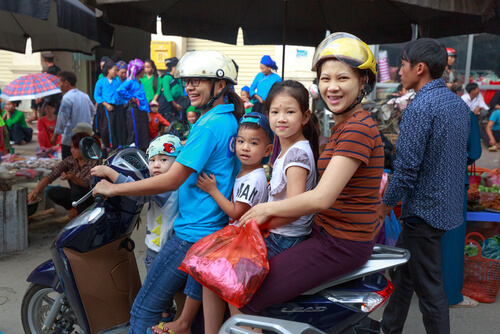 Five on a motorbike - image by Quang Nguyen Vinh
Interesting Fact about Vietnam: There are about 45 million motorbikes registered in Vietnam!
Vietnam is one of the most densely populated countries in the world, however, large areas of the country are still very rural and consist of farmland, rice fields and forests.
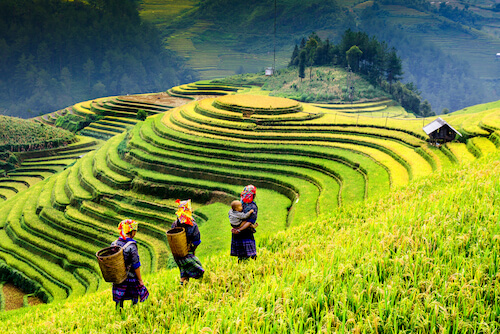 Workers in the rice fields in Vietnam
More than 40% of the Vietnamese people work still in the agricultural sector. The people in rural areas lead a simple and traditional lifestyle. Many families depending on small-scale farming. More than 8% of the population are very poor and live below the poverty line, even though there is progress in development.
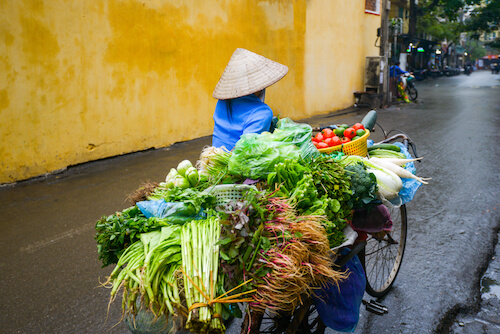 Street vendor in Vietnam
In Vietnam, the government recognises 54 ethnic groups. The vast majority (85%) of people belong to the Viet people. The biggest minority group are the Thai and Khmer people.
In Vietnam, military service is compulsory for young men. The up to two-year-long national service in the country's army or navy is compulsory for all young Vietnamese men over 18 years, this service is voluntary for young women.
Festivals in Vietnam
Vietnamese Lunar New Year (Tết)
Vietnamese people celebrate the new year twice! The New Year celebration are on 1 January, but the Vietnamese people also celebrate the Vietnamese Lunar New Year which is celebrated on the same date as Chinese New Year.
The Vietnamese Lunar New Year is called Tet. This is the most important holiday and cultural festival of the year. 2026 is celebrated as the 'Year of the Horse'.
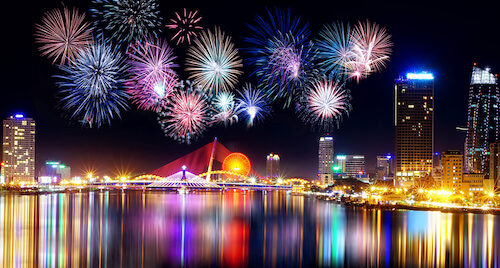 New Year's fireworks in Da Nang
For Tet, people in Vietnam will wear their traditional dress and welcome in the new year with family gatherings and honouring their ancestors.
Families clean and decorate homes and the family altars where special festive food is offered to the ancestors.
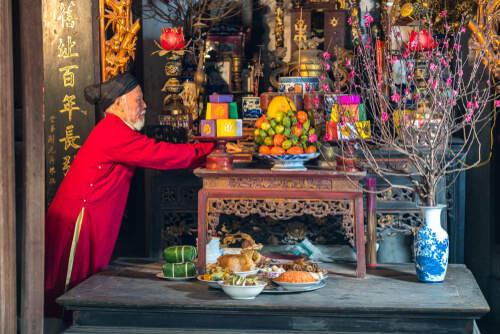 Preparing the altar for Tet
During the Lunar New Year, people give presents to family and friends and visit the temples. Giving li xi (red envelopes with money) to children and eating auspicious food such as sticky rice cakes called bánh chưng or bánh tét, pickled vegetables, and spring rolls will bring luck. In many places there are fireworks, lion dances and festive street markets.
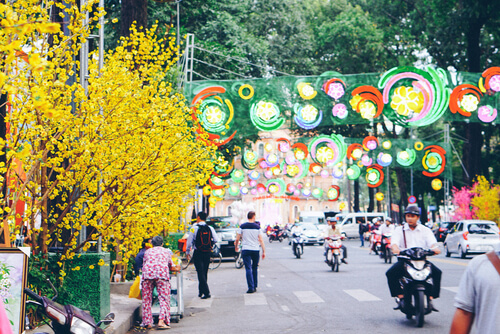 Ho Chi Minh City decorated for Tet - image by Joel Whalton
Vietnamese towns are decorated with lots of flowers during Lunar New Year. Popular flowers are peach blossoms and apricot blossoms, chrysanthemums and pansies.
Mid-Autumn Festival (Tết Trung Thu)
The Mid-Autumn Festival is more than just a harvest festival in Vietnam. The festival is known locally as "Tết Trung Thu" and often called the Children’s Festival. It iscelebrated on the 15th day of the eighth lunar month, which in 2026, falls on 25 September. The festival takes place during the harvest season and is especially beloved by children as they often receive toys such as lion masks, star shaped lanterns or sometimes envelopes with money.
 Traditional lanterns - image by Dong Nath Huy/ shutterstock.com
There are lantern parades were children walk in procession with star-shaped lanterns walk after sunset and the families enjoy eating mooncakes. Mooncakes are the festival’s most popular treat. Families gather to share these sweet pastries, which often are filled with lotus seeds, mung beans or sweetened yolks and there are "full moon parties" where there is song and dance and people watch the full moon. Lion dances, traditional music and special theatre performances take place all around the country during this time.
Hùng King's Festival
The Hùng Kings’ Temple Festival is held on the 10th day of the third lunar month, usually in April. in 2026, this festival is celebrated on 26 April.
This is a public holiday which honors the legendary Hùng Kings, the first rulers of Vietnam who also founded the nation. Thousands of people make pilgrimages to the temples, offering prayers and participating in cultural performances.
 Hung Kings Temple Festival - image by Thrang Nguyen/ shutterstock.com
Vietnam Facts | Vietnamese Food
Vietnamese dishes mainly consist mainly of rice and vegetables. Other popular ingredients are fish, seafood, chicken or beef and herbs such as mint, lemongrass, Thai basil or cilantro (coriander).
Rice in many variations such as steamed plain rice, sticky rice or rice noodles as well as soy sauce, fish sauce and shrimp sauce are the most common ingredients in Vietnamese dishes. Here are some typical Vietnamese dishes:
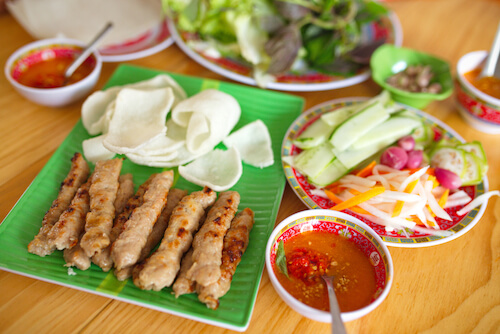 Typical Vietnamese nem skewers
- Nem: Grilled meat skewers mainly made with pork, beef or chicken. The meat has been marinated in garlic and fish sauce. They are often served with spicy chilli sauce or pickled vegetables.
- Canh chua: sour soup with fish or seafood, tomatoes and vegetables such as okra or beansprouts as well as pineapple chunks. Tamarind is used to create the sour taste.
- Pho: traditional soup dish made with clear broth, rice noodles, spring onions and sprouts as well as sliced chicken or beef slices. Chilli, lime and fresh herbs are added.
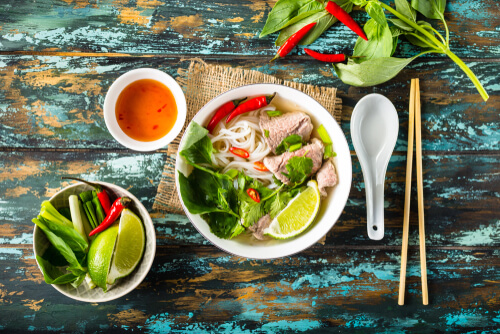 Traditional Vietnamese food: Pho soup
- Bánh Bao: Vietnamese pastry dumpling with a savoury filling made with pork or chicken, mushrooms and eggs
- Xôi: Sweet sticky rice cakes made with glutinous sticky rice, coconut milk and mung beans, often with added food colouring. There are sweet and savoury versions of this popular dish.
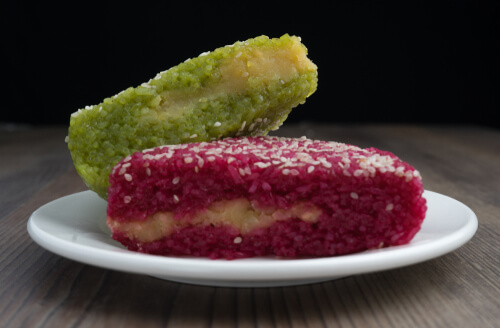 Vietname Xoi Vi - image by Moon Lee
Vietnam Facts
Vietnam Animals
Vietnam is one of the most biodiverse countries in the world. There are over 840 bird species and more than 310 mammal species recorded in Vietnam, some of these can only be found in this country.
The Saola, an antelope species, was only discovered quite recently in 1992 in the Annamite Mountains at the border between Laos and Vietnam. The Saola is considered one of the rarest large mammals in the world.
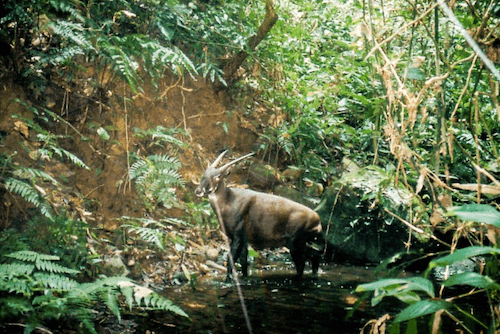 A rare glimpse of a Saola
The Red Shanked Douc is native to central and southern Vietnam and is critically endangered due to habitat loss and hunting. These monkeys are among the most colourful monkey species in the world. Doucs primarily eat leaves and live in trees.
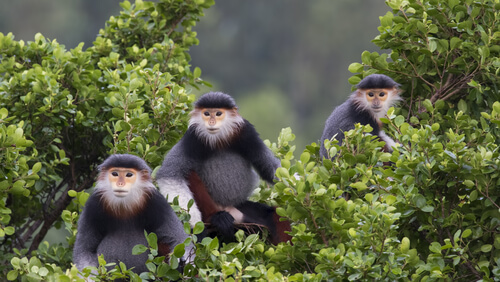 Vietnamese Red Shanked Douc males and female
Other Popular Pages
 |
 |
  |
  |
Vietnam Facts - Resources
These are the resources that were used for this article about the most important Vietnam Facts:
- Saola Working Group. "What is a Saola." SaveTheSaola. Last accessed 6 March 2026
- Vietnam Tourism. "Vietnam Home Recipes." VisitVietnam. Last accessed 6 March 2026
- Barbara Cohen. "Hanoi's Old Quarter - 36 Streets" ThingsAsian. 1 October 1994. Last accessed 6 March 2026
Please bookmark our page if you are interested in Vietnam Facts for Kids as our Vietnam for Kids page will be updated regularly. Feel free to contact us if you or your school would like to join in our schools project. Looking forward to hearing from you!
And enjoy learning more great Vietnam Facts soon:-)
Picture credits in main text on Vietnam Facts: shutterstock.com
Return from Vietnam Facts to Kids-World-Travel-Guide Homepage
Competition
2026

Recent Articles


-
Facts about Tuvalu for Kids: Geography, People and Wildlife
Sep 11, 26 07:15 AM
Explore our facts about Tuvalu and learn about the Polynesian island nation and its geography, people, economy, culture and animals - Worksheets included -
Animals in Norway for Kids: Wildlife Facts
Sep 03, 26 10:50 AM
Animals in Norway explained: meet reindeer, moose, polar bears, whales and puffins, with habitat facts and a short quiz for class. -
Norway Facts for Kids: Fjords, Vikings and Reindeer
Sep 01, 26 09:01 AM
Learn Norway Facts about the land of the Nobel Prize, the Vikings, reindeers, trolls and other attractions
More about Asia
More about Countries and Territories in Asia
 Indonesia
 Nepal
Nepal
 Sri Lanka
 Thailand
Lunar New Year
***
Fun Facts
Fun Games