Eswatini Facts
Here are some interesting Eswatini facts which were chosen and researched by kids especially for kids.
Eswatini Facts for Kids
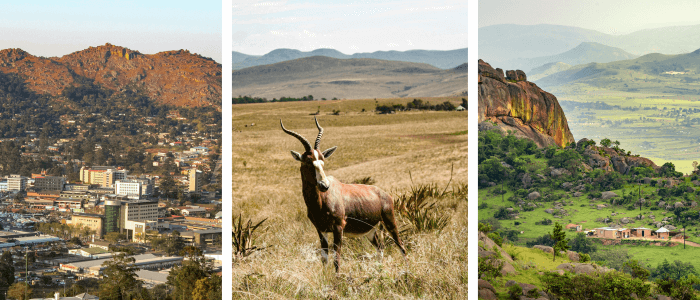 Eswatini Facts: Capital City Mbabane, Blesbok, Ezulwini Valley
- Continent: Africa
- Population: 1.3 million people (2026)
- Capital: Mbabane with 95,000 inhabitants
- Name: Kingdom of Eswatini. Until 2018 the country was referred to as Swaziland
- King: King Mswati III rules the country since 1986
- Motto: 'We are the Fortress'
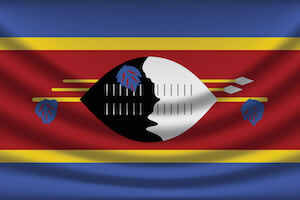 Flag of Eswatini
- Government: Absolute monarchy
- Language: siSwati and English
- Religion: mainly Christian
- Life expectancy: 61 years
- Literacy: 91% of the people over 15 years can read and write
- Currency: 1 Swazi lilangeni = 100 cents
- National Day: 6 September (Independence Day)
- National Symbols: lion (representing the King) and the elephant (representing the Queen Mother)

- National Anthem: 'O Lord is our God, Eswatini' is sung in Siswati.
- History: Eswatini, formerly called Swaziland, gained independence from the United Kingdom in 1968.
Eswatini Geography
Eswatini is the second smallest country in continental Africa, only The Gambia is smaller on the African mainland. Several African island nations, such as Comoros, Mauritius or Seychelles, are smaller than Eswatini, but they are not part of mainland Africa.
Eswatini is a landlocked country and does not have a coastline. It has only two neighbouring countries: Mozambique and South Africa. The two countries enclose Eswatini are Mozambique, to the east and north east, and South Africa, which borders the country to the north, west and south.
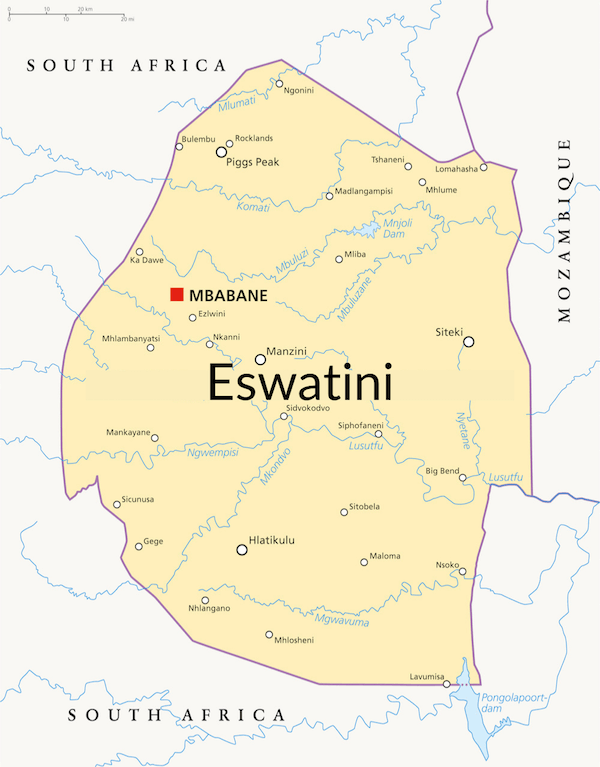 Eswatini map
The country has two capital cities, Lobamba and Mbabane, but Mbabane is usually named as the capital city as it is the administrative capital. Lobamba is the legislative and royal capital and home to the Swazi king. Both cities are located in the country's northwest.
Eswatini is slightly smaller than the U.S. state of New Jersey/ USA or slightly smaller than Kuwait.
There is an international airport in the capital city Mbabane. A flight from Mbabane to O.R. Tambo international airport in Johannesburg in South Africa takes only about 50 minutes.
Eswatini Facts | Eswatini Geography
Eswatini has four geographic regions: Highveld, Middleveld, Lowveld, and the Lubombo plateau. Each of these regions has different elevations and landscapes.
The country is located to the largest part on a high plateau (which is referred to as 'high veld') and has higher mountains and rolling hills in the western and northwestern parts of the country.
The Ezulwini Valley near Mbabane is referred to as the "Royal Valley" as the royal palace and the seat of parliament are located in Lobamba. Ezulwini means 'Place of Heaven'.
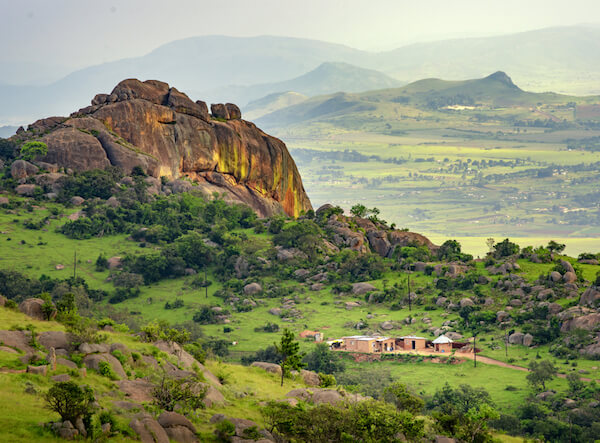 Ezulwini Valley
The Lebombo Mountains run along Eswatini’s eastern border with Mozambique and are a rugged and volcanic mountain range. Due to their higher elevation, this region has a cooler and more temperate climate than the eastern low-lying areas.
The eastern lowlands are mainly covered by dry bushveld. In these areas, temperatures are higher and the climate is hotter and drier.
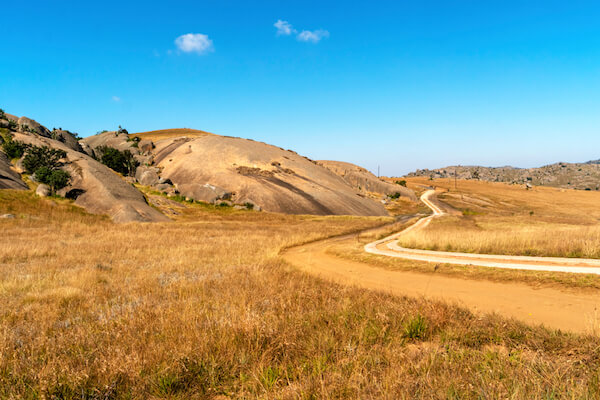 Bushveld in Eswatini
Eswatini - Geo Superlatives
- Eswatini's highest point is Emlembe with 1,862 m/ 6,109 ft. The mountain is part of the Drakensberg mountain range and located at the border to South Africa.
- The longest and most important river in Eswatini is the Great Usuthu River (Lusutfu) which flows eastward into Mozambique.
- The highest mountain range is the Drakensberg Range which forms the western highlands of the country.
- The largest lake in Eswatini is Lake Matsapha, a man-made lake. The country has no large natural lakes.
- Eswatini’s biggest wildlife reserve is Hlane Royal National Park.
- The highest waterfall is Phophonyane Falls in the northwestern highlands. The falls are about 80 meters/ 262 feet high.
Eswatini Attractions and Landmarks
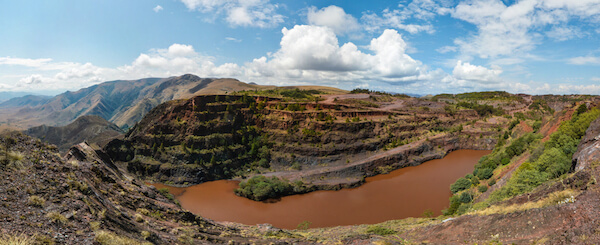 Ngwenya mine in Eswatini
- One of the oldest mines in the world is located in Eswatini. The Ngwenya Mine was already being worked by the San people (bushmen) more than 43,000 years ago. The bushmen extracted iron-rich ore and ochre. They ground these pieces into pigments and used these to smear people and objects. The black pigments were used for warding of evil and the red ochre symbolised life and purity. In siSwati, the world ngwenya means "crocodile".
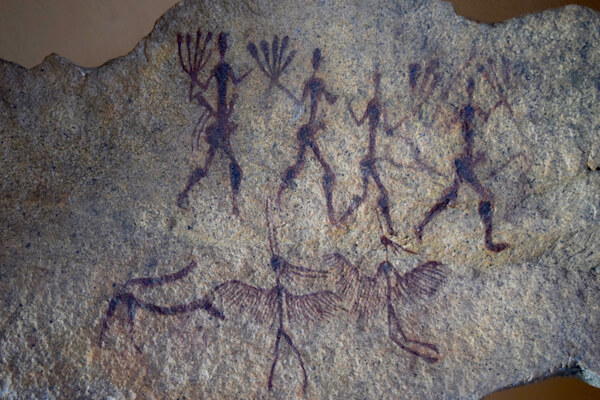 Bushmen paintings in Eswatini
Sibebe Rock is the largest granite dome in the world. This massive granite monolith is around 3 billion years old and rises about 350 metres/ 1,150 ft above the surrounding landscape. Its total elevation is approximately 1,488 metres/ 4,881 ft above sea level.
Eswatini's granite dome is older and larger in volume than both Uluru and Mount Augustus in Australia. However, Sibebe Rock does not rise as high above the surrounding landscape as Mount Augustus, which is taller by elevation above its base.
You can climb Sibebe Rock to enjoy panoramic views of the surrounding countryside.
The Ezulwini Craft Market is the largest market in the country with over 1,200 stalls where you can find a wide range of beautiful souvenirs, from textiles and wooden carvings to traditional garments and beadwork.
Eswatini Facts | emaSwati People
Most emaSwati, also often referred to as Swazi people, live in rural areas and traditional homesteads, called umuti in the valleys and plains. Manzini is the kingdom's busiest city.
Unemployment is high in Eswatini and thus poverty is a major challenge. More than half of the population live below the poverty line.
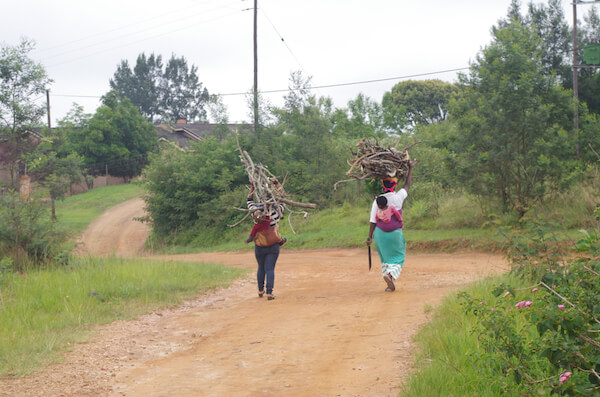 Carrying fire wood home
Eswatini has one of the highest unemployment rates in the world. Over 58% of the young people between 15 and 24 years are unemployed. Many emaSwati emigrated as the industry and mining sector downsized in the last ten years.
About 90% of the emaSwati are Christians, mostly following Zionist churches, which is a mix of Christian belief and traditional worship of ancestors.
The Incwala Festival is Eswatini’s most important cultural ceremony and is a harvest festival that lasts several days. Kings, chiefs, and people participate in rituals, dances, and ceremonies that reinforce Swazi unity and tradition. The event is held annually in December or January, depending on the lunar calendar.
The Reed Dance in late August or early September is another major event in the Swati culture. Then young girls and women travel from all over the country to attend the annual ceremony and perform in front of the King. The dance celebrates culture and national identity. Reed more here.
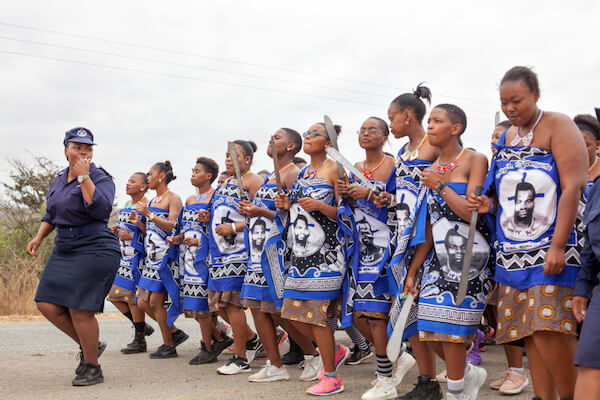 Reed Dance - image von Vera NewSib
52% of the population are 24 years and younger, with more than one third of the people being under 14 years of age! The health sector is lacking doctors and nurses with only 5 doctors per 10,000 people!
Eswatini has one of the world’s highest HIV/AIDS prevalence rates with almost one third of all adults having the disease.
Here a lovely insight into the cultural traditions of the country.
SiSwati and English are the official languages in Eswatini, siSwati is closely related to isiZulu. The siSwati language has three click sounds that you might find difficult to pronounce if you are not used to them.
Languages in Eswatini
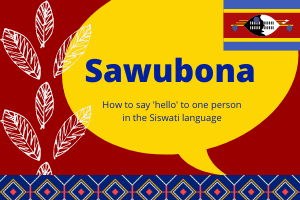
- 'k' is generally pronounced as a hard 'g'
- 'c' is pronounced with clicking your tongue against your front teeth
- 'hl' is pronounced with clicking your tongue against the palate, similarly as the 'll' is pronounced in the Welsh language.
Here four easy words (without click sounds) to remember:
- sawubona - hello (greeting one person)
- sanibonani - hello (greeting two or more people)
- yebo - yes, good day (as response in a greeting)
- kulungile - it's ok
Eswatini Facts | Eswatini Economy
The natural resources of Eswatini are coal, clay, talc, cassiterite, some gold and diamonds
The main agricultural products are sugar cane, maize and tropical fruits such as oranges, grape fruit and bananas. The tropical marula fruit is grown here too. Agricultural land accounts for 68% of the land area, most of it are pastures.
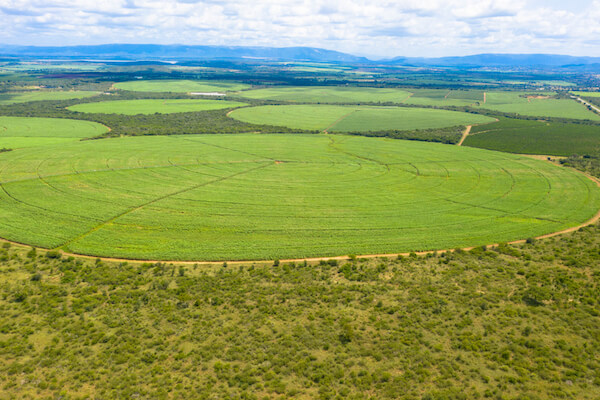 Eswatini sugar cane field
About 60 % of the energy in the country is produced by renewal energy sources such as hydropower, Eswatini is ranking fifth in the world for producing renewal energy as the main energy resource!
The main trading partner is South Africa. Also the eSwati currency lilangeni is pegged to the South African rand.
Eswatini Animals
Eswatini, the small country in Southern Africa has a rich wildlife. Here you can encounter many mammal species such as elephants, hippos, giraffes, lions, leopards, rhinos, and buffalo. Eswatini is also home to the 'Big Five'.
There are many different species of antelopes such as the impala, kudu, nyala or blesbok you see below.
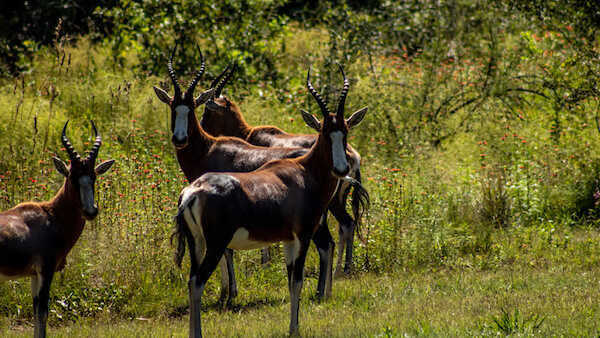 Blesbok
Birding is a popular past activity with visitors. More than 500 species of birds have been recorded in this tiny country, and this is a lot compared to much larger countries such as France.
Eswatini is also the only known African breeding site of the blue swallow, which is one of the rarest migratory bird on the continent.
Eswatini Facts | Resources
Source for Eswatini Facts page:
- Central Intelligence Agency. "Eswatini." WorldFactBook. Last updated 17 December 2025. Last accessed 6 January 2026
- Kingdom of Eswatini. "Sibebe Rock." KingdomofEswatini. Last accessed 6 January 2026
- Kingdom of Eswatini. "Incwala Festival." KingdomofEswatini. Last accessed 6 January 2026
Popular Pages
 |
 |
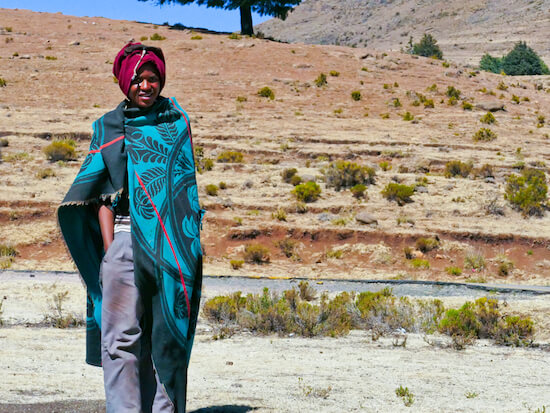
Image Credits on Eswatini Facts: shutterstock.com and wikicommons, if not otherwise stated.
We hope you enjoyed reading our Eswatini Facts. Please bookmark this page and spread the word. We will add more information in the near future as we still have to sort through our images and stories from our latest travels.
Competition
2026
Recent Articles


-
Facts about Tuvalu for Kids: Geography, People and Wildlife
Sep 11, 26 07:15 AM
Explore our facts about Tuvalu and learn about the Polynesian island nation and its geography, people, economy, culture and animals - Worksheets included -
Animals in Norway for Kids: Wildlife Facts
Sep 03, 26 10:50 AM
Animals in Norway explained: meet reindeer, moose, polar bears, whales and puffins, with habitat facts and a short quiz for class. -
Norway Facts for Kids: Fjords, Vikings and Reindeer
Sep 01, 26 09:01 AM
Learn Norway Facts about the land of the Nobel Prize, the Vikings, reindeers, trolls and other attractions
More about Africa

More Countries in Africa
 Tanzania
News for Kids

Fun Facts
Fun Games





Like what you read?

Like us on Facebook
Competition 2026