- Homepage
- Australia
Australia Facts for Kids
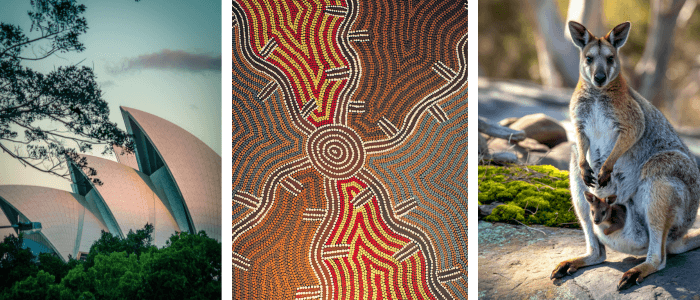 Sydney - Aboriginal Art - Kangaroo with Joey
What you will find on our Australia Facts for Kids page:
Now, before we go into the details and fun facts about the country, here are our quick facts about Australia at a glance:
Australia Facts - Snapshot
Last updated: 26.03.2026 - Sources: Geoscience Australia, dfat, tourismaustralia |
Here are some interesting Australia Facts chosen and researched by kids, especially for kids.
Australia Facts
The Basics
 Australian Flag
- Continent: Australia
- Geographic Region: Oceania
- Name: Commonwealth of Australia
- Nickname: Down Under
- Shortened Name: Oz
- Government: Democracy
- Population: About 27.5 million (2026)
- Area: 7 688 287 km²/ 2,968,464 sq mi
- Urban Population: 90%
- Capital City: Canberra, with 482,000 people
- Language: English
- Unemployment: 4.2%
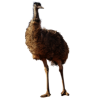 Emu
Emu- Currency: 1 Australian dollar (AUD or A$) = 100 cents
- Religion: religiously diverse, with "no religion" being the largest group; Christianity remains the largest single religious affiliation.
- States: 6 federated states and 2 self-governing territories
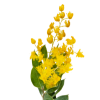 Golden Wattle
- National Symbols: flag, coat of arms, the Commonwealth Star (a seven-pointed star)
- National Colours: green and gold
- National Flower: golden wattle (acacia)
- National Gemstone: opal
- National Animals: kangaroo and emu
- National Holiday: 26 January (Australia Day)
- National Anthem: "Advance Australia Fair"
- Prime Minister: Anthony Albanese, since 2022
- Timezones: UTC+8/+9.30/+10 across 3 timezones
- Calling code: +61
- Internet TLD: .au
Source: Australian Government, Australian Bureau of Statistics - last accessed 30.03.2026
Explore Australia in more detail
|
Australia Facts
Where is Australia?
Australia is an island country in the Southern hemisphere and belongs to the geographic region of Oceania. The country is surrounded by the Indian Ocean and the Pacific Ocean. Australia is the only nation to govern an entire continent!
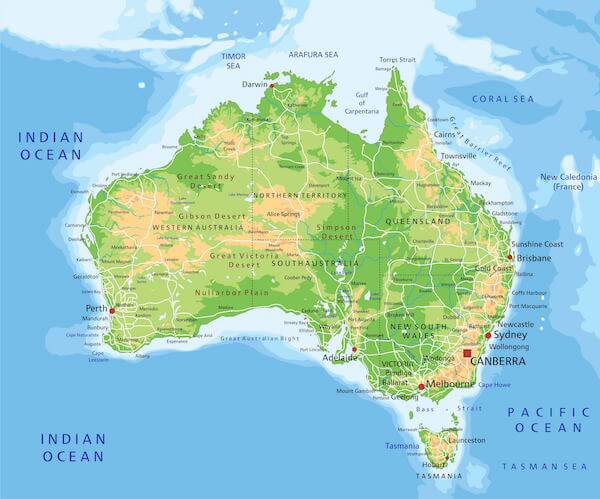 Map of Australia
Australia is a country and a continent, as it sits on its own Australian tectonic plate. It is known for being low-lying and dry, and the continent is often referred to as the "red continent" for its red and iron-rich soils.
Australia Facts
Geography
Australia is the smallest continent of the seven continents and also the driest inhabited continent of the world.
Did you know?
|
The distances across the country are enormous. Australia stretches across about 4,000 kilometres or 2,485 miles from west to east, which is roughly the same distance as Los Angeles to New York, London to Tehran or Mumbai to Hong Kong.
The country is divided into six states (South Australia, Western Australia, New South Wales, Queensland, Victoria and Tasmania) and two self-governing territories: the Northern Territory and the Australian Capital Territory (which is around Canberra, the capital city).
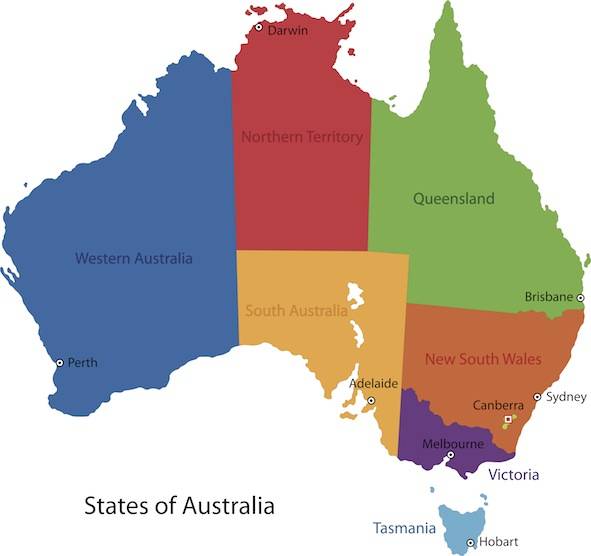
The country has varied landscapes that range from alpine to temperate zones to desert and tropical zones. Australia's interior consists of arid and semi-arid areas, which are referred to as 'outback'. About 70% of Australia is outback and about 35% of Australia's land area is covered by deserts. Only six per cent of the land is arable, which means it can be used for agriculture.
The coastal plains are more fertile and house the majority of Australia's population. Thus most of the population lives in the eastern and southern parts of the country and along the coastline.
Now here is a fascinating introduction to Australia's geography:
Australia belongs to the Commonwealth countries. Read more about the Commonwealth nations here.
Zoom into the Australia map to explore Australia in detail:
Australia Facts
10 Geography Superlatives
- The highest mountain of Australia is Mount Kosciuszko, with 2,228 m/ 7,310 ft. This mountain is in the Great Dividing Range.
- The Great Dividing Range is the longest mountain range in Australia stretching over 3,500 km/ 2,175 miles.
- Uluru, previously also referred to as Ayers Rock, is located in the centre of the country and is the largest free-standing rock in the world.
- The longest river of Australia is the Murray River with 2,508 km/ 1,558 miles.
- The Great Barrier Reef in Eastern Australia is the biggest coral reef system in the world. The reef consists of more than 3,000 reefs and 900 islands. The Barrier Reef is home to over 350 species of corals and over 1,500 species of fish.
- Australia's lowest point is Kati Thanda (or Lake Eyre) in central Australia which is at 15 m/ 49 ft below sea level. Kati Thanda is also Australia's largest salt lake.
- Sydney is Australia's biggest city with more than 5 million inhabitants.
- Australia's largest desert is the Great Victoria Basin which covers most of Western Australia and South Australia.
- New South Wales is the most populous state of Australia. 65% of the country's population live in New South Wales.
- The largest state of Australia is Western Australia while the smallest state is Tasmania.
Australia Facts
Australian Cities
The biggest cities in Australia are Sydney, Melbourne, Perth, Brisbane and Adelaide. These cities are all located on or close to the coast and are the only metropolitan areas in Australia with more than one million inhabitants.
Canberra is Australia's capital city and the only major city in the country located further inland. Canberra is located about 150 km/ 93 miles inland from the Pacific Ocean coastline and about 280 km/ 173 miles to the southwest of Sydney.
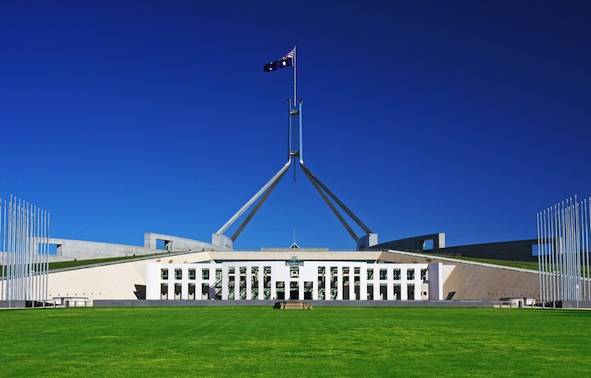 Canberra is the capital city of Australia
Australia Facts: Sydney is Australia's largest city with about 5 million inhabitants, which means that about 20% of all Australians live in this metropolitan city.
The main city in the country's interior is Alice Springs while Darwin is the biggest city in the Northern Territory.
|
Australia Facts
Australia Attractions for Kids
There are so many fascinating tourist attractions in the country. Among these are:
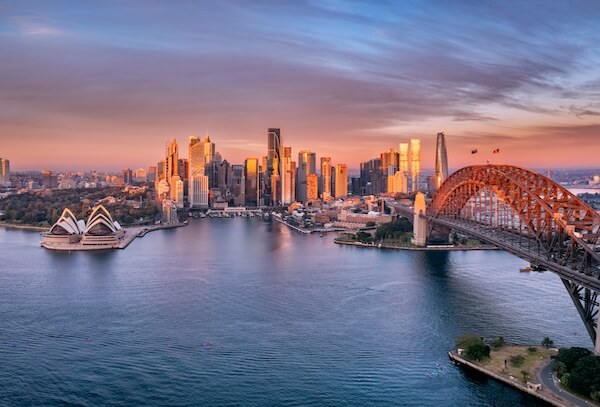 Sydney Harbour and Waterfront - image by Taras Vyshnya / Shutterstock.com
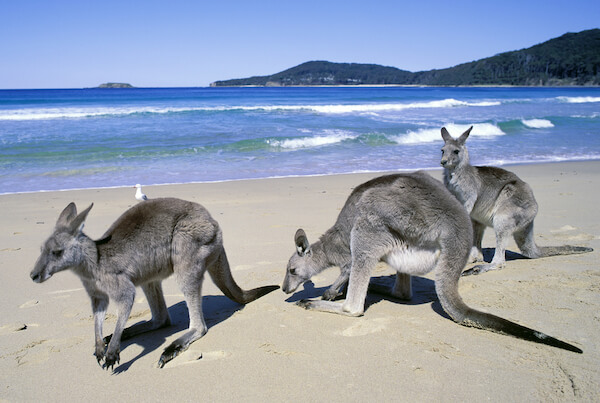 Kangaroos on Pebbly Beach - 4hr drive from Sydney
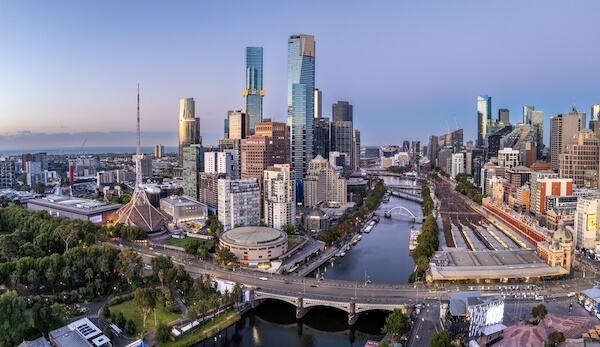 Melbourne on the Yarra River - image by Michael Evans/ Shutterstock.com
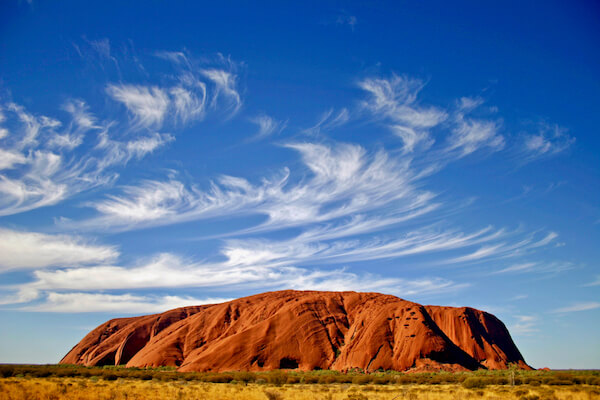 Uluru - formerly called Ayers Rock
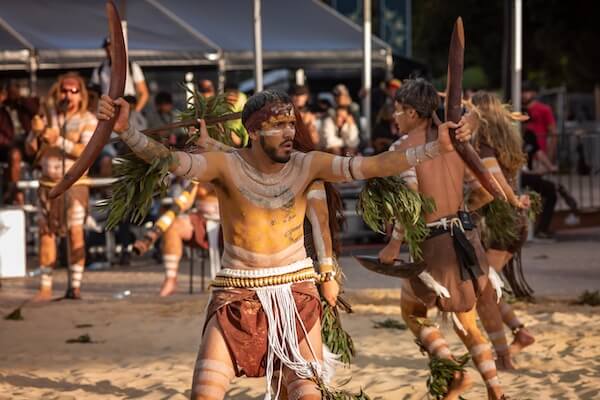 Aboriginal dance performance in Sydney - image by Gary Yim / Shutterstock.com
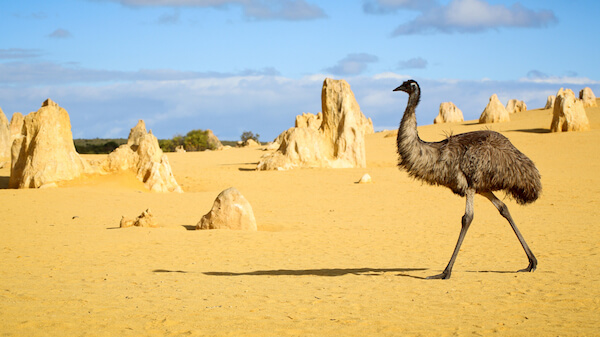 Emu and Pinnacle Desert in Western Australia
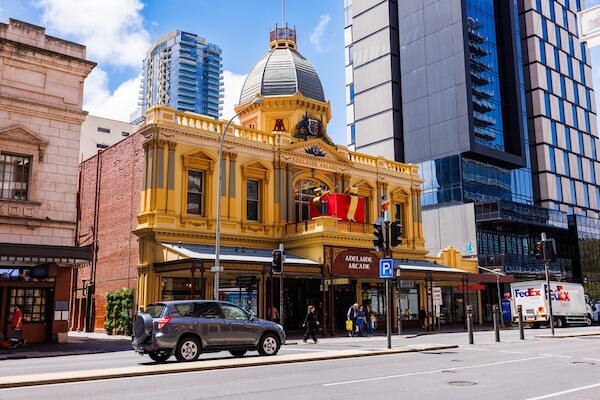 Old meets New in Adelaide - image by ArDanMe / Shutterstock.com
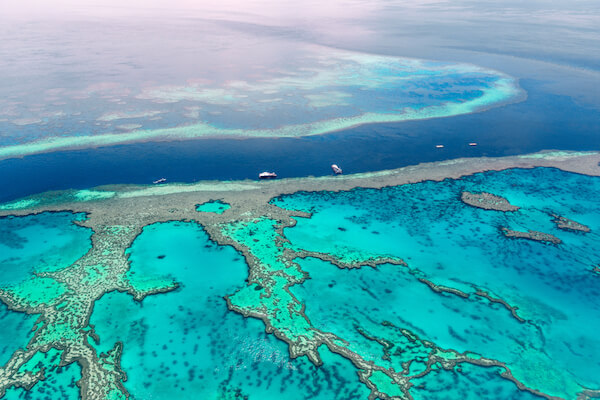 Great Barrier Reef in Queensland/ Australia
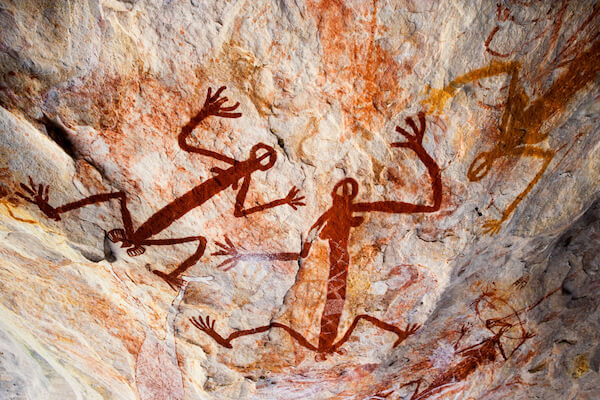 Aboriginal rock art in Arnhem Land - Kakadu National Park
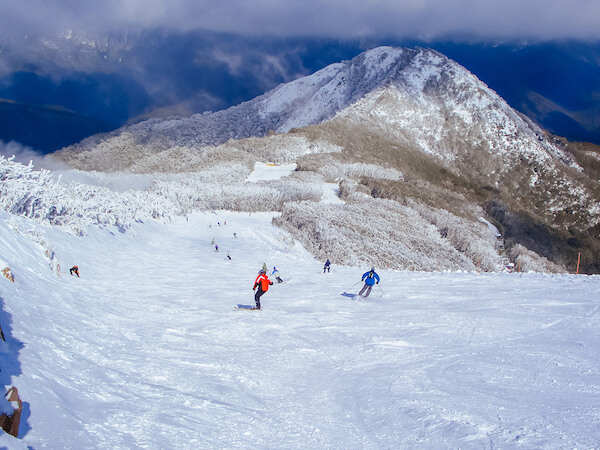 Skiing in the Australian Alps - Mount Buller
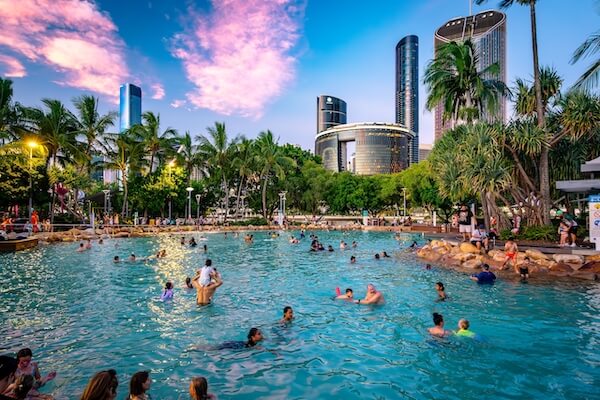 Brisbane Southbank Pool - image by Alex Cimbal/ Shutterstock.com
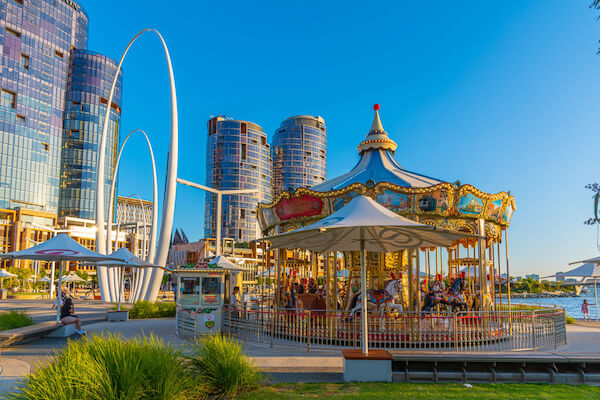 Elizabeth Quay Carousel in Perth - image by trabantos/ Shutterstock.com
Australia Facts
People & Culture
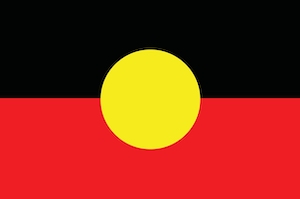 Aboriginal Peoples' Flag
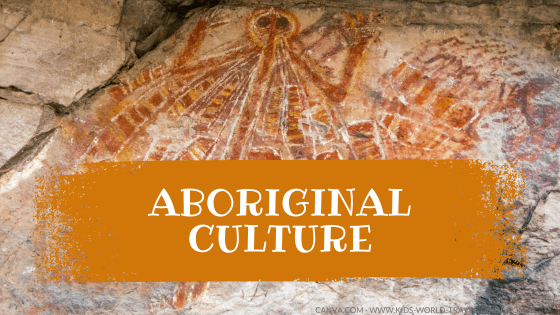
The First Peoples of Australia are the Aboriginal people and the Torres Strait Islander peoples. They have the world's oldest living cultures and a deep connection to their country including the land, the oceans and the sky. Their original bark paintings and the dot painting art style are world-famous; however, dot paintings only developed later under Western influence.
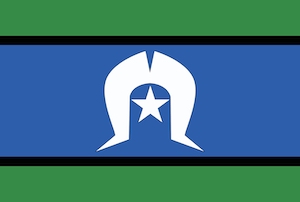 Torres Strait Islander Flag
Indigenous Australians are said to be direct descendants of migrants from Africa who left the African continent about 75,000 years ago. They migrated across the Australasian continent before settling in Australia around 60,000 years ago.
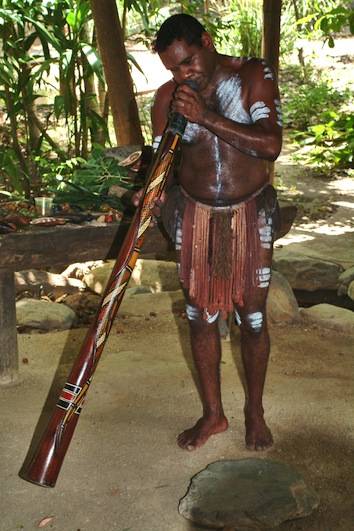 Australian playing the didgeridoo
In the image, you can see a man playing the didgeridoo, a kind of wooden trumpet that is very difficult to play. The aboriginal people have a deep spiritual connection with the land and are highly skilled in arts and crafts. They will proudly share their vast knowledge about the land and the environment with visitors.
Today, about 3% of the population identifies as being of Aboriginal or Torres Strait Islander origin. Australia is a multicultural society with immigrants from more than 200 countries. More than 7.6 million people have migrated to Australia and almost 30% of Australia’s population born overseas! Most immigrants arrive from the UK, China, India, the Philippines and New Zealand.
Aboriginal people live in all main cities in Australia but most of them still live in the desert areas of the vast Australian 'outback', especially in the Northern Territory. Kakadu National Park is home to their ancestors' land, which they call 'Arnhem Land'. Some aboriginal people still live in the sacred area around Uluru, a huge rock formation in the centre of the continent. Uluru was formerly referred to as Ayers Rock.
 Uluru
UluruAustralia has no official religion. About half of all Australians identify as Christian and many Indigenous ceremonies and traditions are still actively practised today.
Australians are passionate about sport. Popular sports include cricket, Australian Rules Football, rugby league, swimming and tennis. Many Australians also play rugby or cricket, which are the main sports in schools. Australia hosted the Olympics in 1956 and 2000.
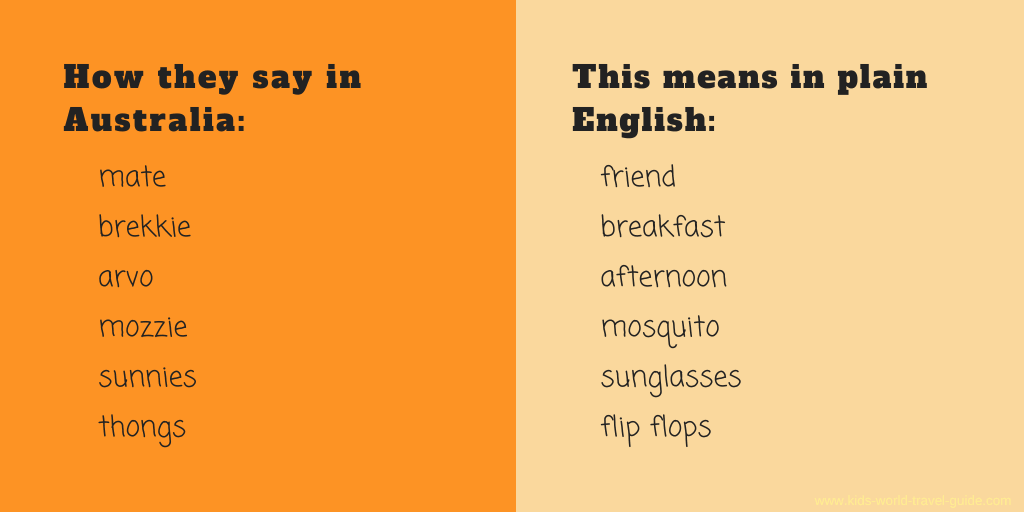
Australians also love their barbecues which they call "barbie" in Australian slang. Here are some other Australian slang words.
Australian Slang Words
Famous Australians
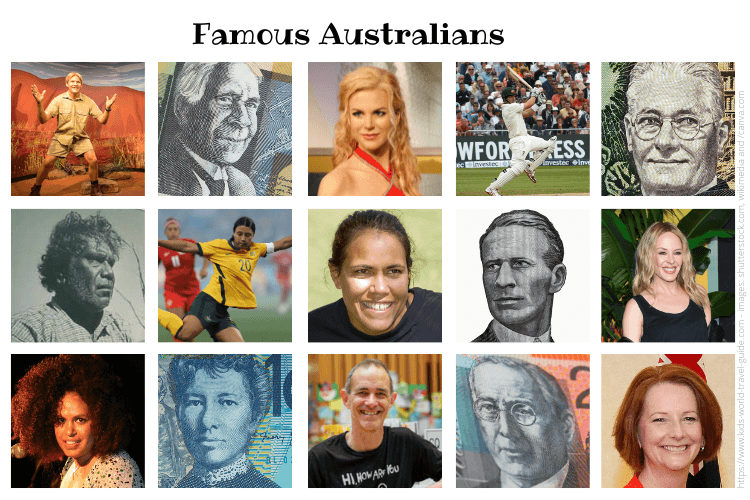
Many of Australia's most famous people come from Indigenous and multicultural backgrounds, which shows the diverse heritage that makes the country so unique. Whether discovering penicillin or singing to millions at the Sydney Olympics in 2000, Australians have left their mark on history. Fifteen Australians have so far won Nobel Prizes, half of them in Physiology or Medicine while in 2017, the International Campaign to Abolish Nuclear Weapons (ICAN), won the Nobel Peace Prize!
Discover the famous stories of ten famous Australians on our special page here:
|
Australia Facts
Economy
Australia is among the largest producers of iron and zinc ore, nickel, lithium, bauxite, rare earths and gold.
Gold, bauxite and copper are mined especially in the Pilbara region in Western Australia, which houses Australia's largest mines.
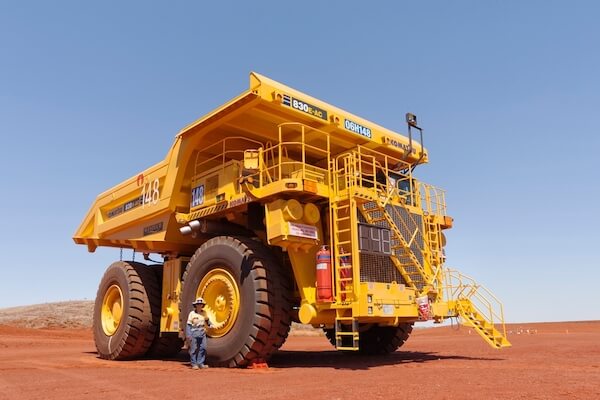 Huge mining vehicles operate in the Australian mines - image by Paul Farey
Australia and Indonesia are the world's two top exporters of coal.
The main economic sector of Australia, however, is the service industry (about 70%) which includes finance, health, education and retail.
Did you know?
|
Agriculture is a major economic sector as well. Australia is one of the world's top food exporters. The main farming products include wheat, beef, wool and wine.
As Australia is one of the sunniest countries on Earth, solar and wind energy are used as top resources. One in four Australia's homes is powered by solar energy, which makes Australia the world's leader in household solar technology use.
China is Australia's largest trading partner, taking about 30% of its exports. Other key partners include Japan, South Korea, the USA, and the UK.
Source: IEA.org and dfat.gov.au - last accessed 26 March 2026
Australia Facts
Australian Animals
Australia is home to many animal species. Australia is one of the most biologically diverse countries on our planet and is recognised as one of the 17 mega diverse countries.
Australia houses more than 10% of the world's biodiversity (including animals and plant varieties).
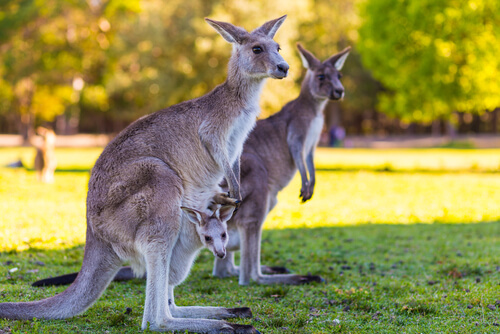 Kangaroo with Joey
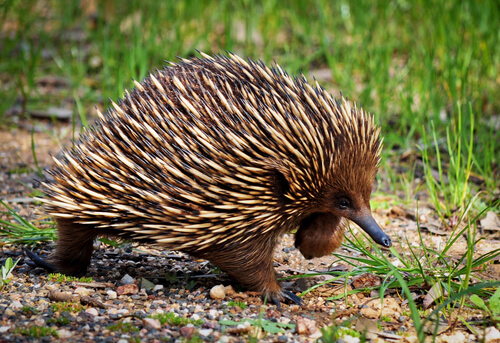
Among the most well-known Australian animals are kangaroos, wombats, koalas and dingos.
Kangaroos are marsupials, which means, they carry their babies in their pouches. See the cute little joey (this is what baby kangaroos are called). Marsupials are so-called pouched animals and give live births.
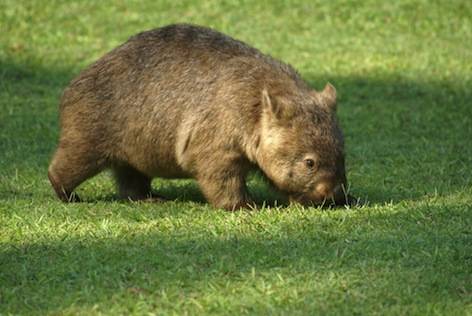 Australian Wombat
Wombats are also marsupials. Wombats have sharp teeth, but are herbivores. This means they eat grasses, bark and roots. Wombats are mainly active at night, but can also be seen out looking for food on cool and overcast days.
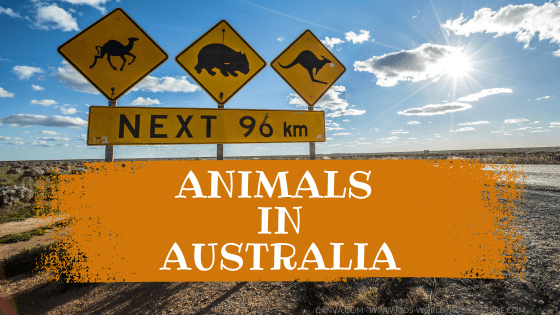
Roadsigns in Australia warn drivers about wild animals that might cross the roads.
Australia Facts
Australia Quiz
Now test your knowledge about Australia with our own Australia Quiz:
Read more about Australia Popular Pages
 |
 |
Australia Facts
Resources
Resources for Australia Facts Page:
- Australian Government. "Unlocking Our Stories." SymbolsofAustralia.pmc.gov.au. Last accessed 30 March 2026
- Australia Tourism. "Explore Australia by Map." Australia.com. Last accessed 30 March 2026
- National Parks and Wildlife Service. "Kati Thanda Lake Eyre National Park." ParksSA. Last accessed 30 March 2026
- The Commonwealth. "Australia Facts." Commonwealth Secretariat. Last accessed 30 March 2026
- Australian Academy of Science. "Nobel Australians." Science.org.au. Last accessed 30 March 2026
- The Nature Conservancy."Meet the Quokka." NatureAustralia.org. Last accessed 30 March 2026
- Tammy Solonec. Why saying 'Aborigine' isn't ok. 8 Facts about indigenous people in Australia. Amnesty International. 9 August 2015. Last accessed 30 March 2026
Image credits on Australia Facts: Shutterstock.com (and author's as noted) and own images
Return from Australia Facts to KidsWorldTravelGuide Homepage
Competition
2026
Recent Articles


-
Facts about Tuvalu for Kids: Geography, People and Wildlife
Sep 11, 26 07:15 AM
Explore our facts about Tuvalu and learn about the Polynesian island nation and its geography, people, economy, culture and animals - Worksheets included -
Animals in Norway for Kids: Wildlife Facts
Sep 03, 26 10:50 AM
Animals in Norway explained: meet reindeer, moose, polar bears, whales and puffins, with habitat facts and a short quiz for class. -
Norway Facts for Kids: Fjords, Vikings and Reindeer
Sep 01, 26 09:01 AM
Learn Norway Facts about the land of the Nobel Prize, the Vikings, reindeers, trolls and other attractions
***
***
More about Australia
More about Oceania
Fun Facts
Other Commonwealth Countries
 Malaysia
***
***
Spread the Word

|
Copy and paste onto your website, blog or Facebook page: <a href="https://www.kids-world-travel-guide.com/australia-facts.html">Kids World Travel Guide: Australia Facts for Kids</a> Thank You for helping to spread the word about our site. |


Like us on Facebook
Visit Kids World Travel Guide's profile on Pinterest.Competition 2026