30 Nauru Facts for Kids:
Geography and Wildlife

nauru headerFacts about Nauru: Smallest Island Country and Phosphate Mining
loudspeaker icon

Nauru is the world’s smallest island country, located in Micronesia, has no official capital but a history tied to phosphate!

Our fun facts about Nauru will help you learn more about one of the world's smallest and least-visited countries. Discover with us what this tiny Pacific island nation is famous for. Now let's begin with our popular snapbox!

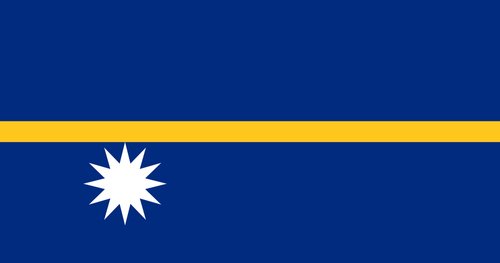
nauru flag

Nauru - At a Glance

  • Name: Republic of Naoero
  • Location: Central Pacific Ocean
  • Area: 21 km²/ 8.1 sq miles
  • Capital: Yaren (There is no official capital city!)
  • Population: 12,500 (2026 Estimate)
  • Official Languages: Nauruan
  • Currency: Australian Dollar (AUD)
  • Timezone: UTC+12
  • National Colours: blue, yellow and white
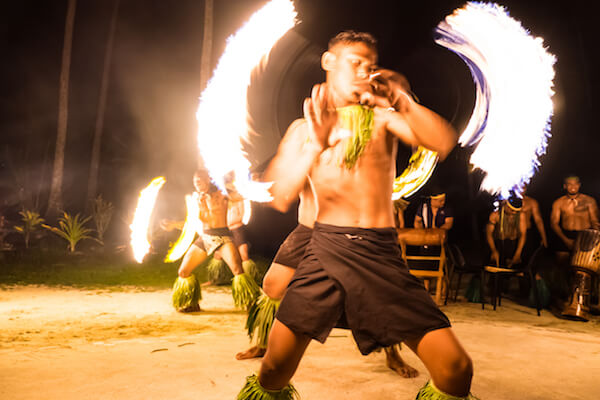
  • Cultural Traditions: String puppet shows, coconut fish

Smallest island country in the World and third smallest country overall by land area and is know for its phosphate mining history!

Nauru does not have an official capital city!

Sources: nauru.gov.nr, UN Micronesia - 29 July 2026

(Please note that the country's parliament has approved the country name change to Naoero in 2026, however, a national referendum is still outstanding in July 2026)

30 Nauru Facts for Kids

Here are the most interesting facts about Nauru which were chosen and researched especially for kids.
Facts about Nauru
Where is Nauru?

1. Nauru is the smallest island country in the world and the third smallest country overall, after Vatican City and Monaco. Nauru is just 21 square kilometres or 8.1 square miles in land area.

nauru on oceania mapLocation of Nauru

Did you know?

  • Nauru is so small that you can drive all around the island in about 30 minutes.
  • There is a single road around the island which is about 19 km/ 12 miles long.

2. The Republic of Naoero is part of the Micronesia region of Oceania. The island country lies the central Pacific Ocean just about 42 km/ 26 miles south of the Equator.
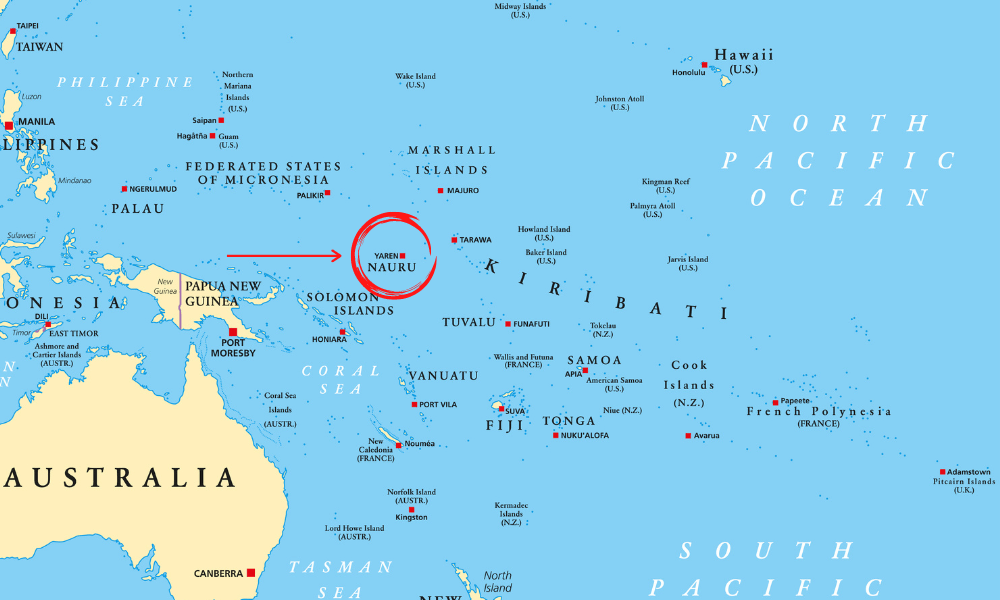
3. The island has an oval shape and lies northeast of Papua New Guinea as you can see on the map above. The nearest island to Nauru is called Banaba and belongs to Kiribati. This "neighbouring" island is still located about 300 km/ 190 miles to the east of Nauru!

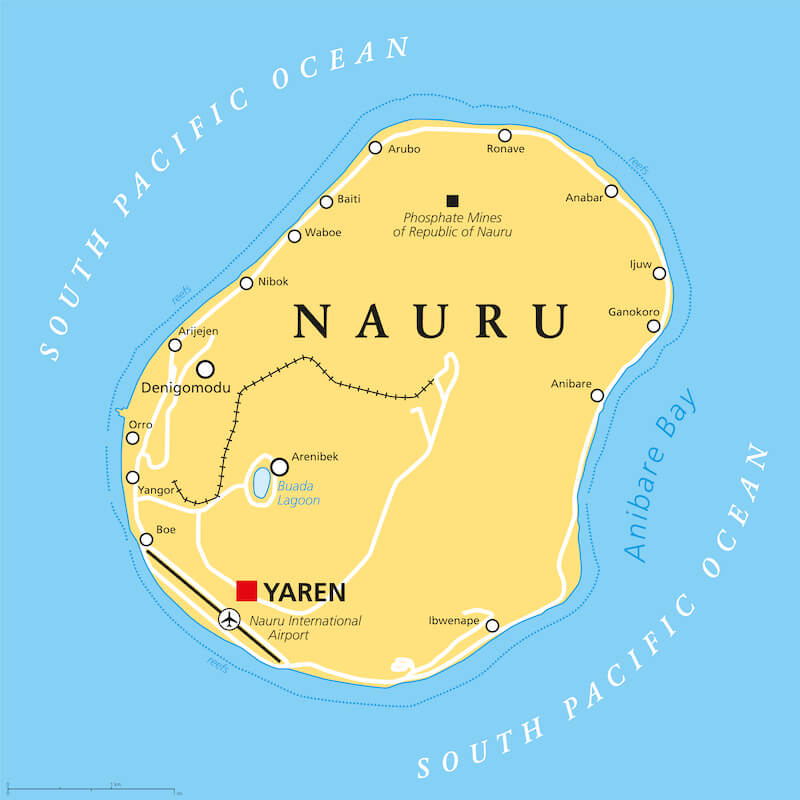
nauru mapMap of Nauru

4. The main port town and de facto capital is Yaren where the parliament and some government buildings are located, but the country does not have an official capital city! Yaren district houses the most people, but Yaren itself is not the largest town of the island.

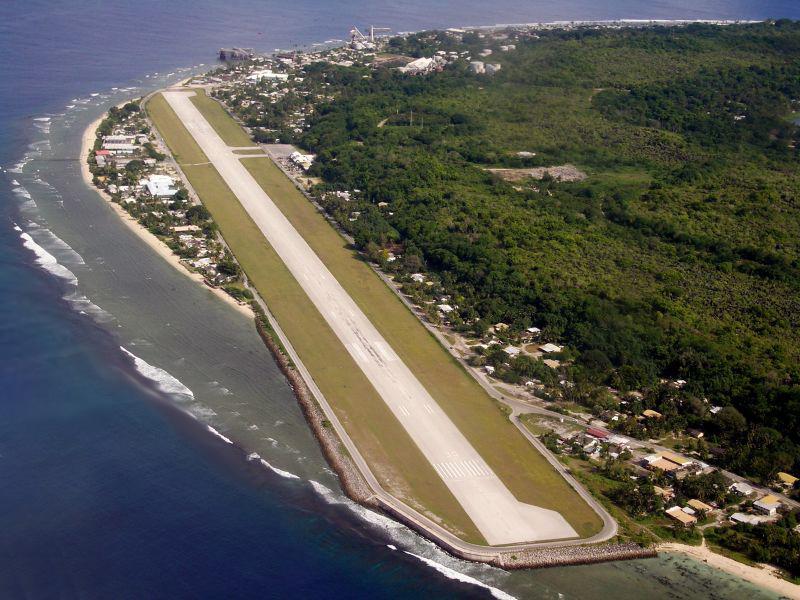
nauru airportNauru, the airport and Yaren

Nauru has its own airline called Nauru airlines. The national carrier has a feet of seven airplanes and connects the island with Australia, New Zealand and other destinations in Oceania.

Did you know?

Nauru and Switzerland are the only two countries without an official capital city!

Facts about Nauru
People

nauru flag

5. About 12,500 people live in Nauru. The tiny country houses the third smallest population in the world, after Vatican City and Tuvalu.

(Sources: 2026 UN Estimate, Nauru.gov.nr)

Most people live along the narrow coastal strip because much of the island's centre cannot easily be lived on. About three out of four islanders live in the southern part of Nauru - see the satellite image of the island.

naura satelliteSatellite image of Nauru - image by AerialViewer/ Shutterstock.com

6. There are 12 Nauruan tribes, which are represented by the 12-pointed star on the nation's flag! Most people are believed to come from Micronesian, Polynesian and Melanesian descent.

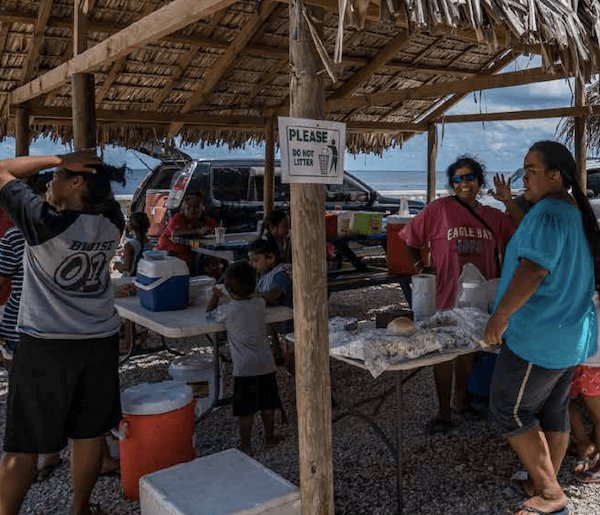
Nauru peopleMarket stalls in Nauru - image by PSDI

7. The official language of Nauru is Nauruan, which is a unique Austronesian language and it is almost only spoken on the island.

English is widely spoken and understood and is used in schools, businesses and government. Many Nauruans can switch easily between Nauruan and English.

8. Many young people continue their studies in Australia or Fiji because there are limited opportunities on the island to find work and or get further education.

9. Nauru has a small economy, so there are not many jobs available. About 12% of young people aged 15 to 24 are unemployed. Some young Nauruans study overseas before returning home to work, while others find jobs in government, education or the fishing industry. 

(Sources: Nauru Bureau of Statistics - accessed 29 July 2026)

10. More than 90% of the Nauruans are Christians. About two-thirds of all Nauruans are Protestant Christians, while Roman Catholics make up most of the remaining Christian population.

11. The most popular sports in Nauru are Australian rules football, weightlifting, netball and volleyball. Soccer and fishing are very popular too.

12. Nauru has won several medals at the various Commonwealth Games in weightlifting.

Did you know?

Marcus Stephen, Nauru's first ever gold medal winner in weightlifting in 1990, won seven gold medals and was elected President of Nauru from 2007 until 2011. He is Speaker of the Parliament since 2019.

Facts about Nauru
Geography

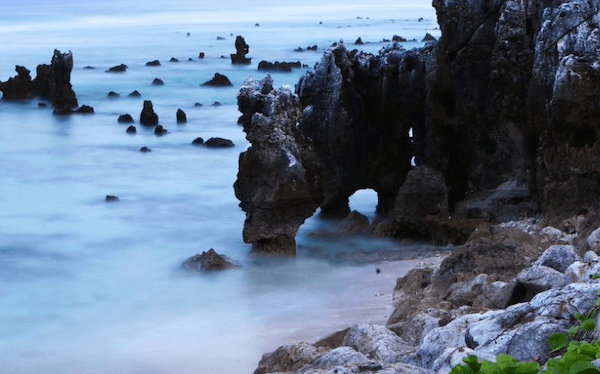
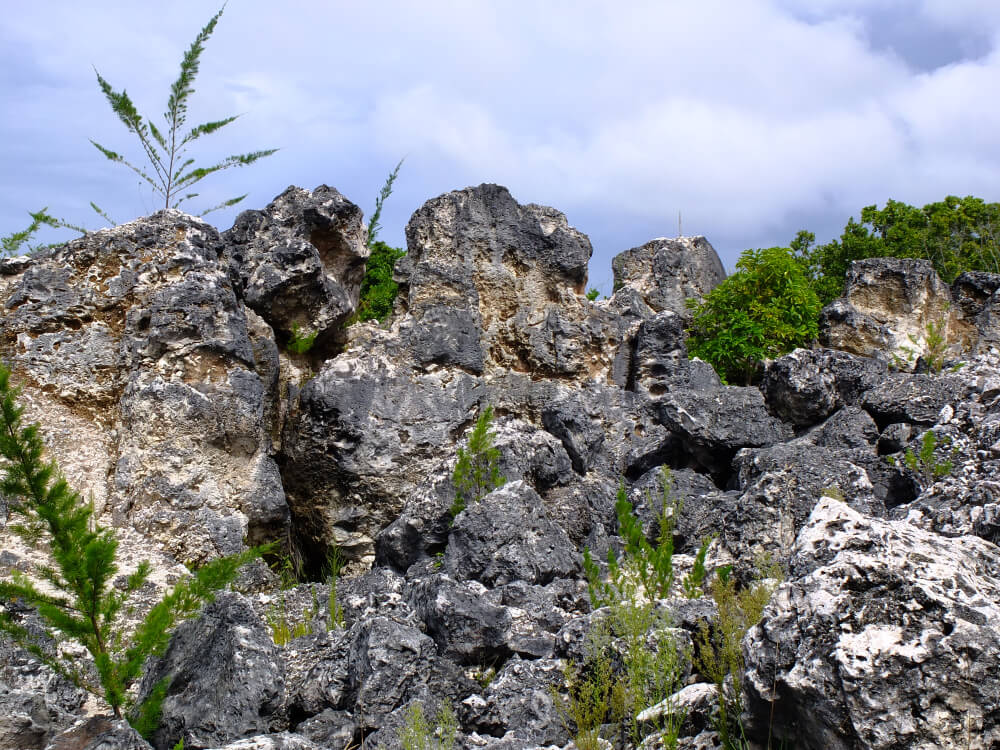
13. Nauru is a raised coral island surrounded by a coral reef. At low tide you can see dramatic limestone pinnacles and exposed coral rocks. The many pinnacle-shaped rocks surround the island's plateau.

nauru coastline by nauru airCoastline of Nauru - image by NauruAir

14. The highest point of Nauru is called Command Ridge, which rises just 71 m/ 233 ft above sea level.

This is also the highest point in the whole country.

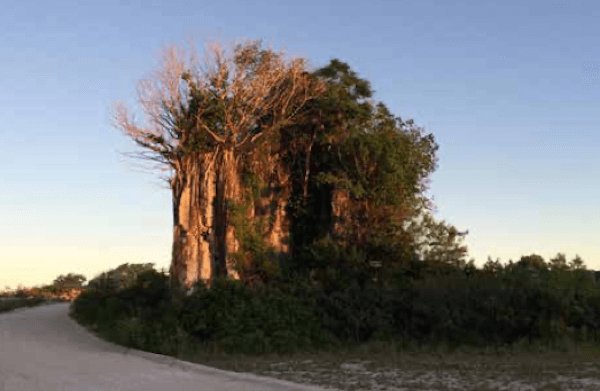
nauru pinnacle rockPinnacle rock in Nauru

15. Nauru is known for the natural mineral Phosphate which is found right under the rock surface. The country was the world's largest supplier of phosphate in the 1970s and 1980s.

nauru phosphate timeline white

16. In Nauru, most phosphate deposits have now been mined and most of the country's land was affected. The soil is very poor and the landscape is barren, as much of the interior is rocky and difficult to farm. Nauru is working hard on restoring the damaged landscape.

Did you know?

Phosphate mining made Nauru one of the richest countries per person during the boom in the 1970s and 1980s as phosphate was a sought-after mineral.

nauru phosphate rockPhosphate rock

17. The climate is tropical with warm temperatures are around 25°C and 30°C/ 77°F - 86°F throughout the year. November till February are the wettest months but rainfall can vary greatly from year to year.

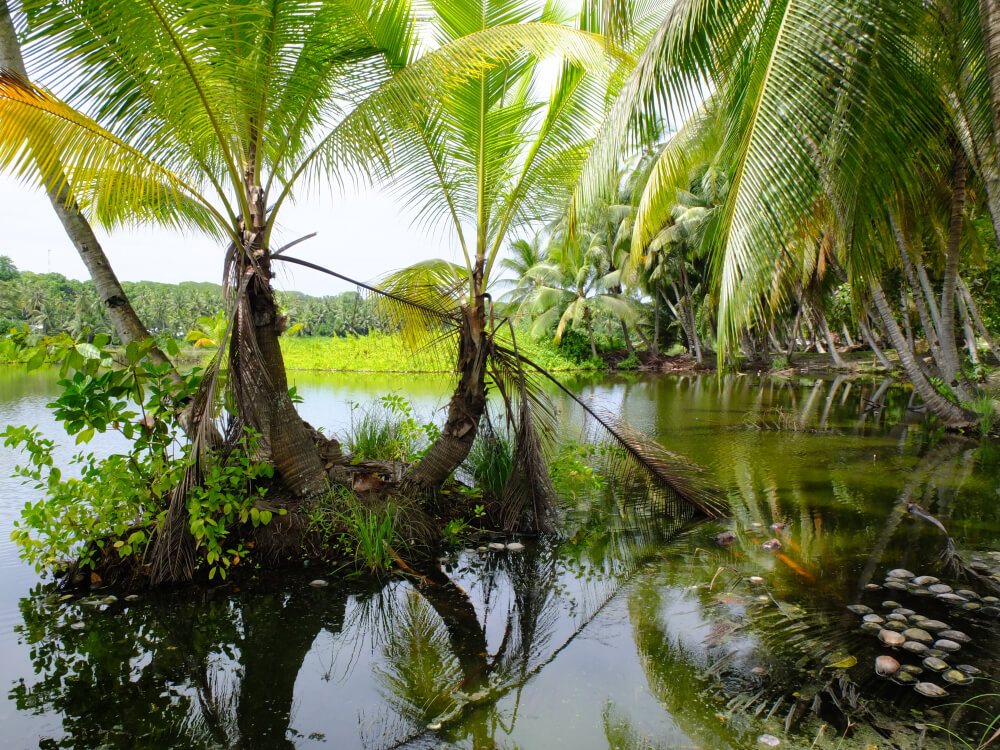
nauru lagoonNauru Lagoon

Facts about Nauru
Economy

18. The economy of Nauru depends on phosphate mining, fishing and government services. Australian aid also plays an important role in supporting the country's economy. Small-scale farming and coconut growing are important for local communities.

19. Phosphate remains one of Nauru's most important exports, although production is much lower than it was during the island's mining boom in the 1970s and 1980s.

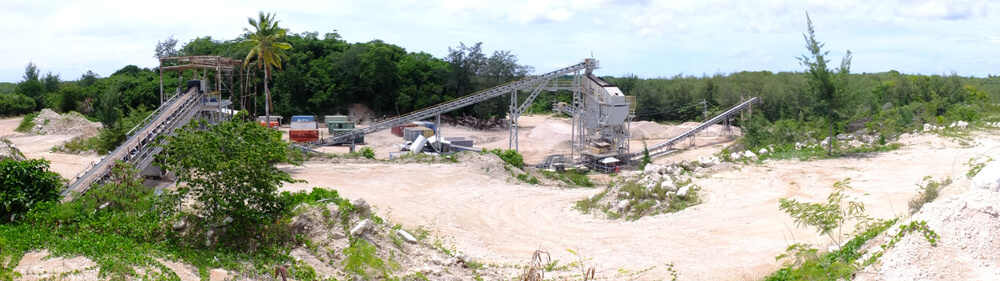
nauru phosphateminingOld phosphate mine in Nauru

20. Most phosphate mines were abandoned towards the end of the last century, as explained above.

There is still some small-scale collection of guano, which is the droppings of seabirds and bats, that is used as a natural fertiliser. Today, Nauru is involved in exploring the deep-sea mineral resources, that include manganese, nickel, cobalt and copper. These minerals can be used to make batteries for renewable energy technologies.

21. The main agricultural products are fish (mainly tuna and marlin), coconuts, pineapples and indigenous hardwood trees. Deep-sea fishing is a major industry sector.

22. The currency which is used in Nauru is the Australian Dollar. The Nauruans mostly use cash for payments.

23. The main trading partners are Australia, New Zealand, Fiji, South Korea and Taiwan. 

24. Nauru's main attractions for visitors are deep-sea fishing, the pristine beach of Anibare Bay and various war memorial sites which are great for history buffs.  Cultural treats for visitors are string puppet story telling or home stays with locals.

(Sources: stats.gov.nr and IPU Parline July 2026)

Facts about Nauru
Flag, Motto, Name and Government

25. The national flag is blue with a yellow line and a white twelve-pointed star. The blue in the flag represents the Pacific Ocean while the yellow line symbolises the Equator and the white symbolises phosphor. The star stands for the traditional tribes of the country. The star is set below the yellow line because Nauru lies just south of the Equator.

The national colours are blue, yellow and white. The motto of Nauru is "God's Will First".

26. Nauru is a parliamentary republic and David Adeang is the president since 2023. Voting is compulsory for all aged 20 years and older.  Parliament is elected for three years and there are 19 members of Parliament, however, there are only two women among the members of Parliament. 

(Source: IPU Parline 2026)

Nauru is part of the United Nations and the Commonwealth of Nations. 

Did you know?

  • The British whaling captain John Fearn named the island "Pleasant Island" when he visited it in 1798.
  • "Naoero" is the island's traditional name in the Nauruan language.

Here a super short video about the history of the island by Mr History (this educational video is about 3 minutes long):

Facts about Nauru
History

27. Nauru was occupied by many nations in the 19th and 20th century. The Germans annexed the country in 1888. After the First World War, the island was administered by Australia, New Zealand and the United Kingdom. During the Second World War, Japan occupied and claimed the island from 1942 to 1945. From 1947 onwards Nauru was under trusteeship with the United Nations and only became self governing in 1966.

Since 1968, Nauru is fully independent. In 2026, the Nauruan parliament approved the name change to "Naoero".

Facts about Nauru
Animals

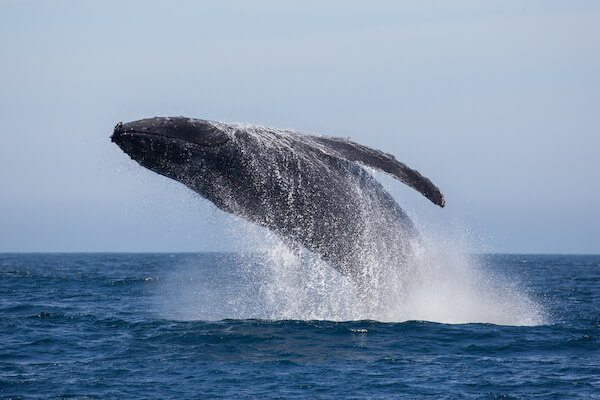
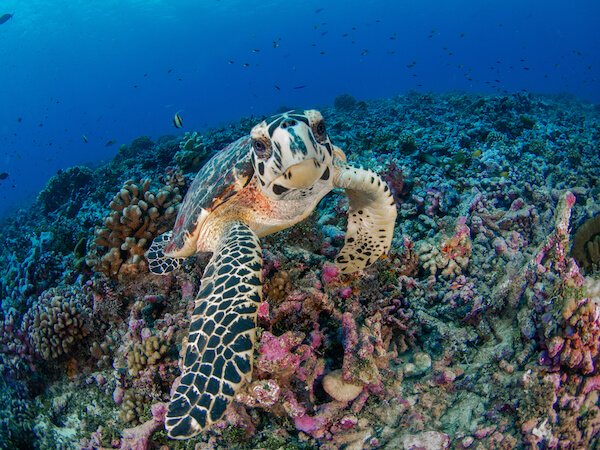
28. The waters around Nauru are home to tuna, dolphins, sea turtles and reef sharks. Humpback whales migrate through the Pacific Ocean.

humpback whaleHumpback whale

29. Coral reefs surround the island and reefs are home to about 200 species of coral and 400 species of fish.

Although some parts of the reef are healthy, many face threats from climate change, coral bleaching and overfishing. 

Did you know?

Sea turtles often visit Nauru's beaches to lay their eggs.

Facts about Nauru
Food

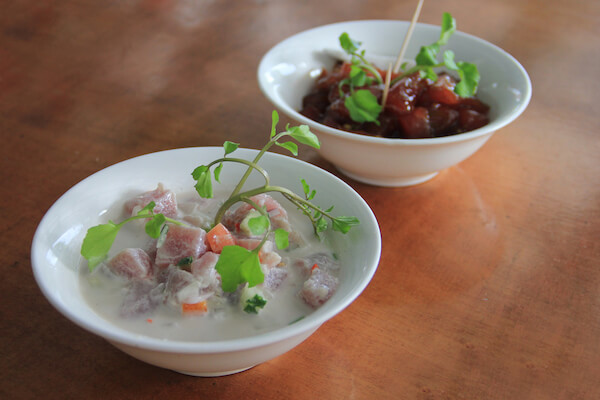
30. Fresh seafood is the most important part of the Nauruan diet. The island country offers abundant fresh seafood so many families also catch their own fish.

As popular dishes include seafood and coconut, the most popular is called "coconut fish", a dish that is made with raw fish, mainly tuna, that is marinated with lime and vegetables in coconut milk.

coconut fishCoconut Fish

Facts about Nauru
FAQs

Where is Nauru?

Nauru is a tiny island country in the central Pacific Ocean, just south of the Equator.

Why does Nauru have no official capital?

Nauru has no official capital city as there is no city on the island, but several larger towns. There are 14 districts and Yaren is where Parliament and many government offices are located. The constitution of the country never named an official capital. 

Which are the neighbouring countries of Nauru?

Nauru has no neighbouring countries by land because it is a single island. The nearest island, though 300 km/ 190 miles away, is called Banaba and is part of Kiribati.

Which language do people speak in Nauru?

The official language is Nauruan. English is widely spoken, too.

Why is Nauru famous?

Nauru is famous for being the smallest island country in the world! It is famous also for its rich phosphate deposits, which once made it one of the wealthiest countries per person.

What happened to Nauru's phosphate wealth?

Most of Nauru's phosphate reserves were depleted after several decades of mining. By the turn of the 21st century, the phosphate mining industry had declined significantly. Mining had damaged large areas of the island that could not be used for farming anymore.

Much of the income that was earned from the mining of phosphate was poorly managed. Unsuccessful investments and overspending left the country with serious financial problems despite its earlier wealth.

Which animals can you see in Nauru?

You can see colourful reef fish, sea turtles, dolphins, reef sharks and there are humpback whales in the waters around the island.

Which is the highest point in Nauru?

The highest point is Command Ridge, which is 71 metres or 233 feet above sea level.

Facts about Nauru
Resources

Sources for Facts about Nauru page:

  • PacificPSDI. "Nauru. Pacific Tourism Sector Snapshot." PSDI. November 2021. Last accessed 29 July 2026
  • InterParliamentaryUnion. "Naoero. Parliament." IPU Parline. Last accessed 29 July 2026
  • UN Environment. "Naoero." CBD. Last accessed 29 July 2026
  • UN in Micronesia. "Nauru." Micronesia.un.org. Last accessed 29 July 2026
  • Government of the Republic of Nauru. "People." Nauru.gov.nr. Last accessed 29 July 2026

Image Credits on Facts about Nauru: photo stock from shutterstock and wikicommons, if not otherwise stated.

Popular Pages
Oceania Facts
Ocean Facts

Back from Facts about Nauru to Kids-World-Travel-Guide

Share this page:
Enjoy this page? Please pay it forward. Here's how...

Would you prefer to share this page with others by linking to it?

  1. Click on the HTML link code below.
  2. Copy and paste it, adding a note of your own, into your blog, a Web page, forums, a blog comment, your Facebook account, or anywhere that someone would find this page valuable.

More about Oceania

pacific ocean facts

Fun Facts

Continent Facts for Kids by Kids World Travel Guide
Flag Facts for Kids by Kids World Travel Guide
Ocean Facts for Kids by Kids World Travel Guide
Desert Facts - Kids World Travel Guide
Landlocked Countries - Facts for Kids - Kids World Travel Guide
Megadiverse Countries - Kids World Travel Guide Facts for Kids
Animals around the world - Kids World Travel Guide Facts for Kids

Fun Games

Trivia Fun for Kids by Kids World Travel Guide
Geography Trivia by Kids World Travel Guide
Science Games for Kids by Kids World Travel Guide

Like what you read?

Simply share the html code below. Copy and paste onto your website, blog or Facebook page: 

<a href="https://www.kids-world-travel-guide.com/facts-about-nauru.html">Kids World Travel Guide: Facts about Nauru for Kids</a> 

Like us on Facebook

Competition 2026 
competition 2026