- Homepage
- South America
South America Facts
Our South America Facts for Kids bring you lots of interesting and fun facts about the continent of South America.
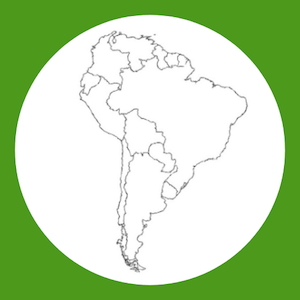
South America is the fourth largest continent by land area and the fifth largest by population. It is located entirely in the Western Hemisphere and mostly in the Southern Hemisphere, although some countries lie in both the Northern and Southern Hemispheres.
South America Facts for Kids

What you will find on our South America Facts page:
Now let's have a quick glance at South America:
South America Snapshot
|
South America Map
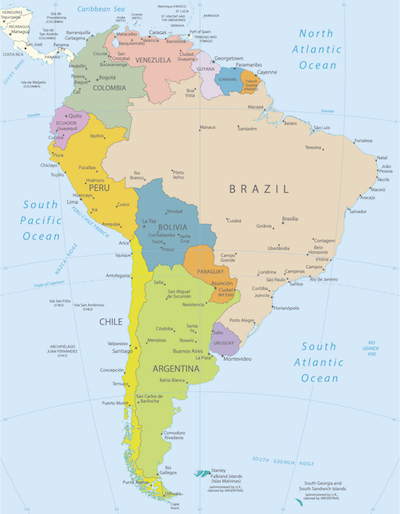
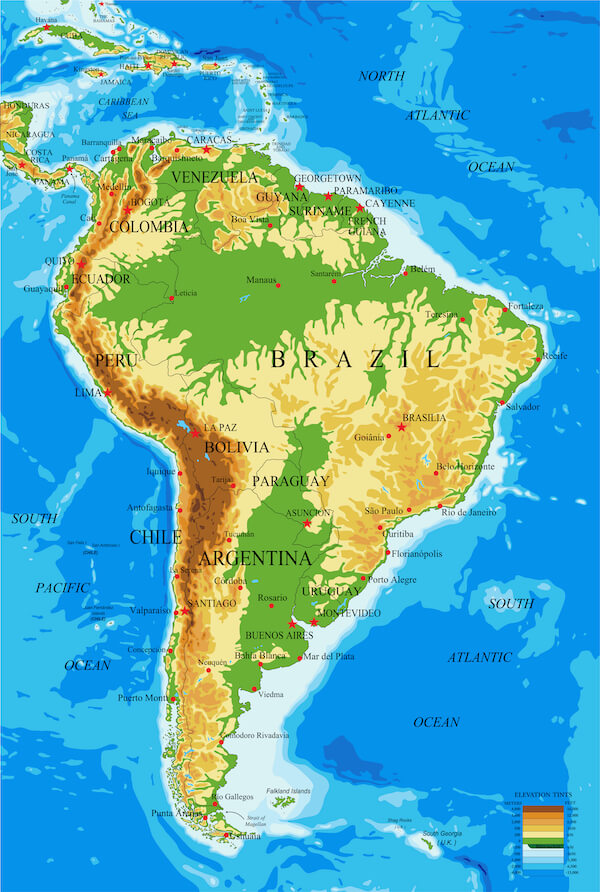 Map of South America
Please note the map shows the South American continent as well as some parts of the North American continent!
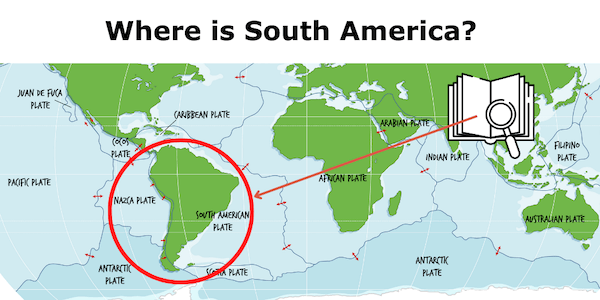
The continent of South America sits almost completely on the South American plate, however, the western edge of the tectonic plate collides regularly with the Nazca plate and leads to earth quakes and volcanic eruptions along the plate borders.
South America is known for many unique facts. It has the world’s largest river by volume, the Amazon River and the world’s driest desert, the Atacama Desert. The continent is not only famous for football or soccer, but also for its cheerful carnival celebrations and traditional dances such as the tango. Only in South America you find unique animals such as llamas, sloths, toucans, capybaras, jaguars, and pink river dolphins. But now get ready for some more of our top South American Facts.
South America Facts
There are 12 countries in South America (see list on the right) and 3 dependencies with a total of more than 438 million people living on the continent.
The 12 South American countries
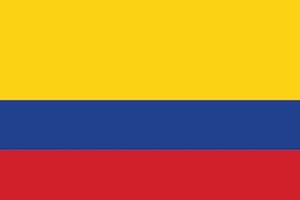
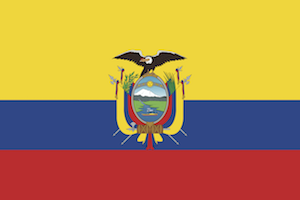
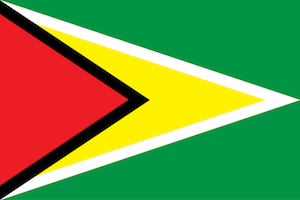
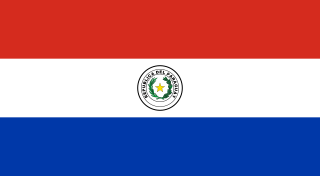
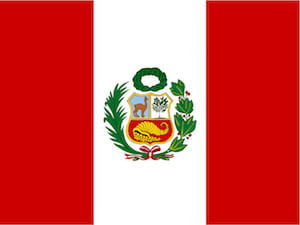
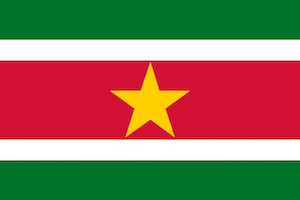
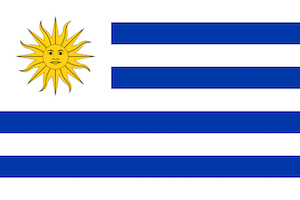
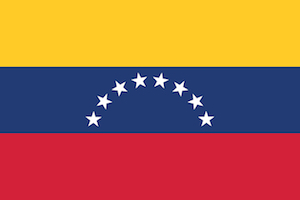
Click on the flags below to learn more about each country.
Brazil and Argentina are among the ten largest countries in the world.
Did you know that Brazil is about three times as big as Argentina and larger than the USA in land area. Brazil is so huge that all the European Union's countries combined could fit in twice!
The continent also has five megacities which are cities with more than ten million inhabitants. Read more about other megacities in the world on our special page here.
Dependencies in South America
- There are three dependencies in South America: French Guiana (overseas department of France) is also the southernmost region of the European Union!
- Falkland Islands (British Overseas Territory), an archipelago in the Southern Atlantic Ocean with an ongoing dispute with Argentina.
- South Georgia and South Sandwich Islands (British Overseas Territories) in the Southern Atlantic Ocean south of the Falklands.
South America
Geography
South America's landscape is in general dominated by mountains and highlands such as the Andes, river basins such as the Amazon and the Orinoco, and coastal plains, which include the Atacama Desert.
The continent is very large and stretches from 12° North latitude to 55° South latitude and from 35° to 81° West longitude.
Did you know?
|
As we have seen on the map above, most of the South American continent sits on the South American Plate. This tectonic plate carries the landmass of South America and part of the Atlantic Ocean floor.
Due to the location close to the Nazca, Caribbean and Antarctica plates, earthquakes, landslides and volcano eruptions are often experienced in South America, especially along the Andes mountain range. The Andes are part of the Pacific Ring of Fire, which is one of the most active tectonic regions on Earth.
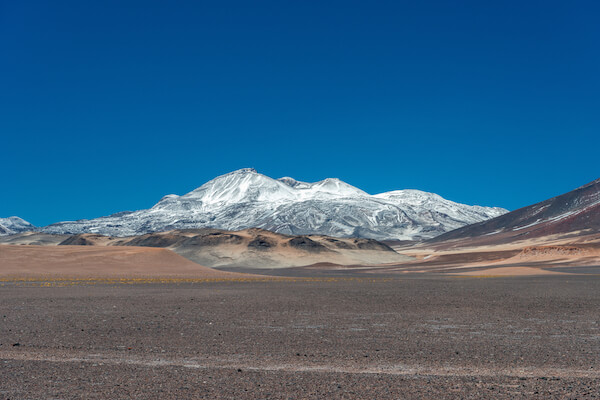
There are many volcanoes in South America, about 200 of them are active. The world's tallest active volcano sits at the border between Argentina and Chile and is called Nevados Ojos de Salado.
There are two landlocked countries in South America: Paraguay and Bolivia, both are located in the interior of the continent and have neither access to the Atlantic Ocean nor to the Pacific Ocean.
South America Mainland's
|
|
South America Facts
Geo Superlatives
Largest Country: Brazil covers more than half of the continent's landmass. Did you know that Brazil is almost as big as the USA?
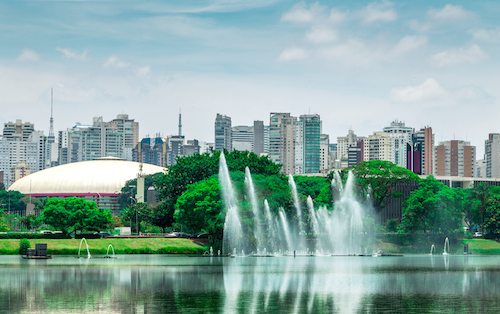
Largest City: São Paulo in Brazil has about 23 million inhabitants and is one of the ten largest cities in the world. In 2025, it ranks as the sixth most populous city globally, although some cities in Asia and Africa are now growing more rapidly.
Smallest Country: Suriname. The country, formerly referred to as Dutch Guiana, is one of the most sparsely populated countries in the world. Suriname only gained independence from the Netherlands in 1975.
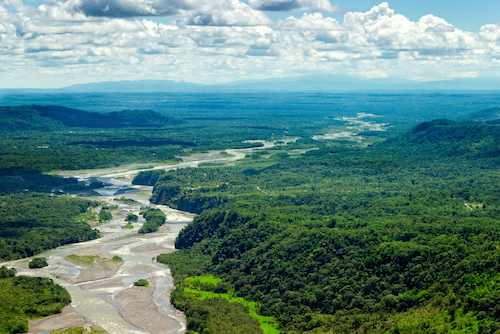
Longest River: The Amazon River is 6,437 km/ 4,000 miles long. The Amazon is not only the second longest river in the world after the Nile, but also the Amazon carries more water than the world's other 10 biggest rivers combined! Read our Amazon Rainforest Facts here.
Biggest Island: Tierra del Fuego (Spanish, meaning: "Land of Fire") is an island located at the southern tip of the continent and shared by two countries: Argentina and Chile.
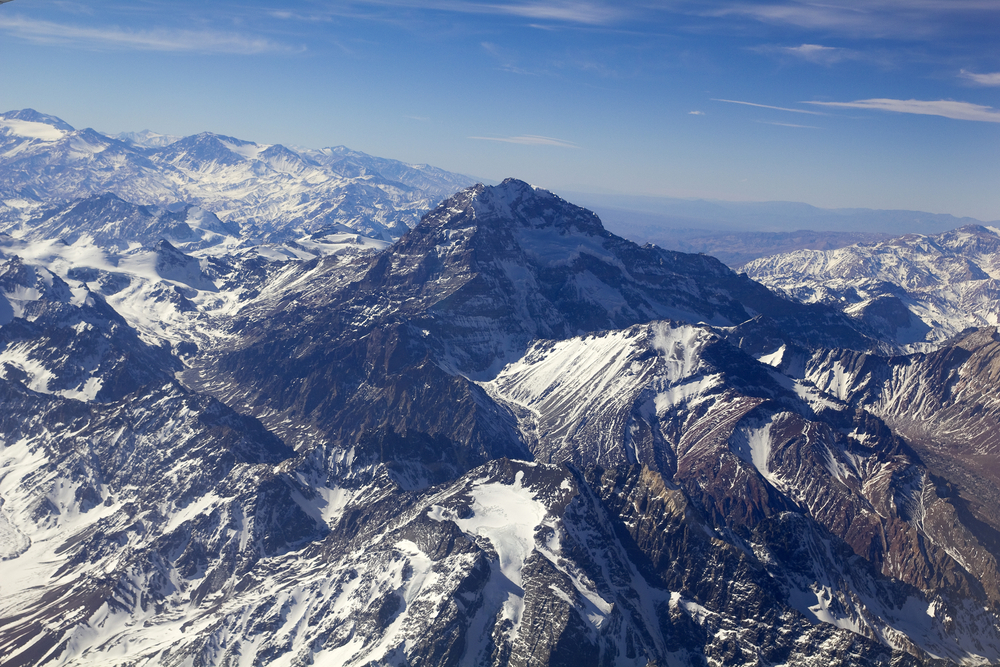 Aconcagua
Highest Mountain: Aconcagua in Argentina is 6,961 metres/ 22,837 feet high and is located in the Andes mountain range. The Aconcagua is considered the second highest of the world's 'Seven Summits' - after Mount Everest which is in Asia.
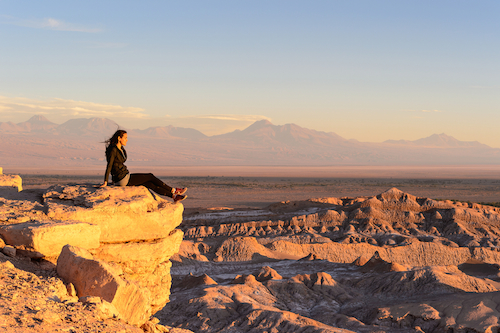 Atacama Desert
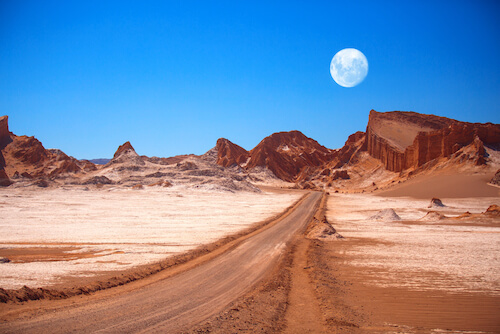
Driest Place: While South America's rain forests also are some of the wettest places on the earth, the Atacama desert in Chile is considered the driest place on earth. Read more about the world's deserts here.
Biggest Lake: Lake Titicaca is a freshwater lake that is often referred to as the "Birthplace of the Incas". Lake Titicaca is the highest navigable lake in the world at about 3,800 m/ 12,467 ft above sea level and is shared by Bolivia and Peru.
South America Climate
South America has many different climates because the continent is very large and stretches across the Equator, and has high mountains like the Andes.
Near the Equator, especially in the Amazon Rainforest, the climate is hot and wet all year, with lots of rain and no clear seasons. Along the west coast and the Atacama Desert, the climate is very dry because a cold ocean current, called the Humboldt Current, flows along the coast and brings very little rainfall.
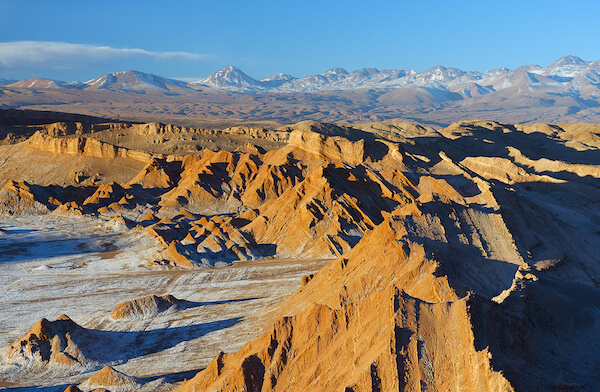 Andes mountains in northern Chile
The higher lying areas of the continent, especially in the Andes, have a mountain or alpine climate and there is snow and ice at the highest points. The temperatures are so cold and in some places, glaciers can be found even near the Equator.
In the southern parts of the continent, the climate is cooler and temperate, with clear seasons and regular rainfall. The Pampas grasslands are good for farming and raising cattle.
South America Facts
History
History of South America: Evidence of human life in South America dates back to at least 10,000 BC. and possibly earlier. Some archaeological sites show early hunter-gatherer settlements. One of the earliest complex civilisations in South America developed in what is now Peru.
South America: History Timeline
|
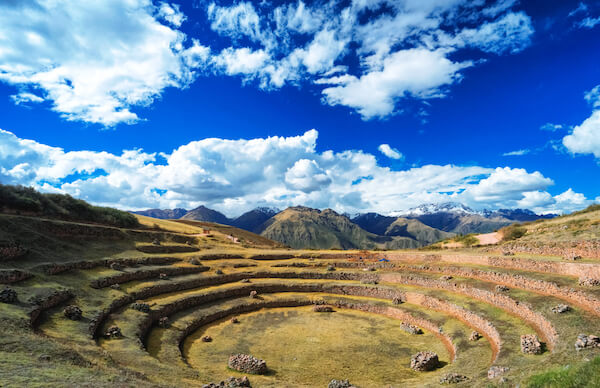 Moray Inca Ruins near Cuzco/ Peru
The Inca Empire was the largest empire but there were other advanced and populous societies in the different regions of the continent, but none as powerful. Even today, many Indigenous people still live in South America and they try to keep their languages, traditions and cultures alive. Sadly the numbers of indigenous people are decreasing.
The Incas were the largest group of indigenous people living in the Andes when the Europeans arrived in South America in the 15th century. The people of the Inca Empire then spoke Quechua and many Quechua people today are descendants of the Incas.
Did you know?
|
From the late 15th century onwards, South America was colonised by European powers, mainly Spain and Portugal, but also by the Netherlands, Britain and France. These colonisers, who are known as conquistadores, explored, conquered and settled much of the continent. They largely shaped the culture, language and political systems of the countries in South America.
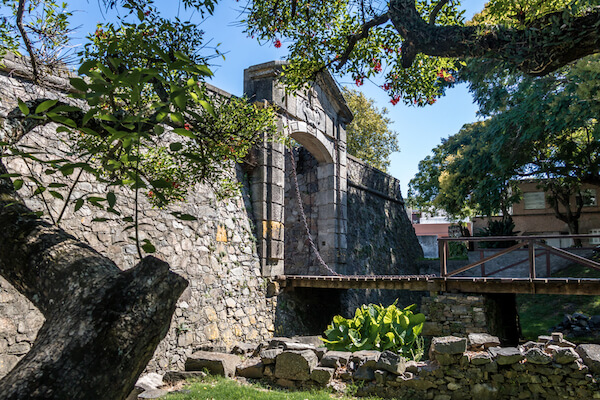 Colonia del Sacramento - historic town in Uruguay
South America Facts:
People and Culture
People of South America: South America has a population of more than 438 million people. Almost half of the population of the South American continent lives in Brazil. The five most populous countries in South America are Brazil (215 million people), Colombia (53 million people), Argentina (46 million people), Peru (34 million people) and Venezuela (31 million people).
People in South America have Indigenous, European, African, and Asian ancestry, and it is common for many different ethnic groups to be part of the same family.
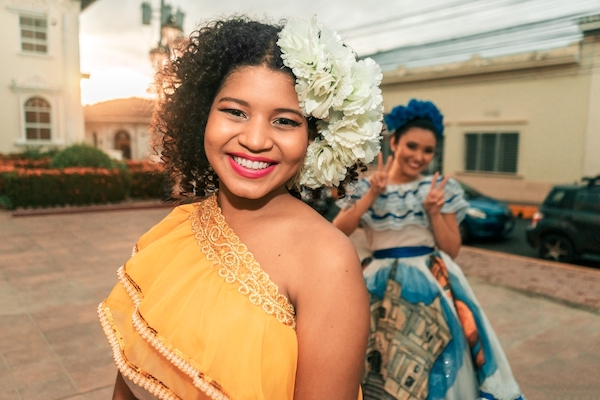 Nicaraguan women
South America is home to over 400 Indigenous groups, each with their own language and traditions. The Quechua are the largest Indigenous group in South America with about 10 million people. Most of the Quechua communities live in Peru, Bolivia, Ecuador, Colombia and Chile. Quechua is spoken by more people than live in New Zealand and is an official language in Peru and Bolivia.
Other large Indigenous communities are the Aymara people mainly living in the Andes mountains, the Guaraní mainly in Brazil and Paraguay, the Mapuche in Chile and Argentina, the Arawak and the Carib who are also referred to as Kalinago people.
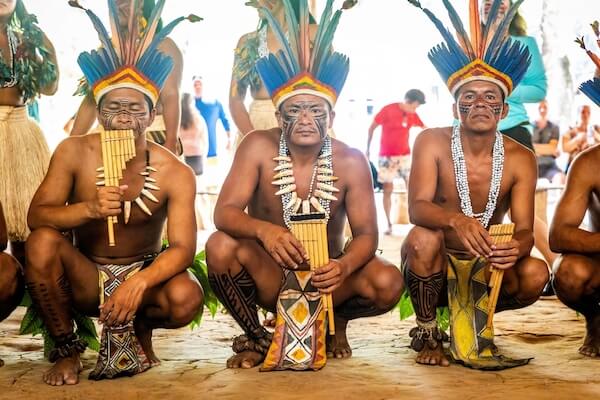 Indigenous people in Manaus/ Brazil - image by Photospirit/ shutterstock.com
Most people in South America are Christians, and Catholicism is the largest religion on the continent. Today, about 60–70% of South Americans are Catholic. There are also Protestant Christians, as well as Jewish and Muslim communities, and some Indigenous peoples still follow their traditional beliefs.
South America Facts:
Languages
Languages in South America: Spanish is the most widely spoken language in South America. Spanish is spoken in most countries including Argentina, Chile, Colombia, Peru and Venezuela. People in Brazil speak Portuguese and in Surinam, which formerly was a Dutch colony, the official language is still Dutch. French Guiana is an overseas region of France and thus its official language is French.
Many young people in South America learn English as a second language. Many South Americans are bilingual or even multilingual, as they speak Spanish or Portuguese and often an Indigenous language as well.
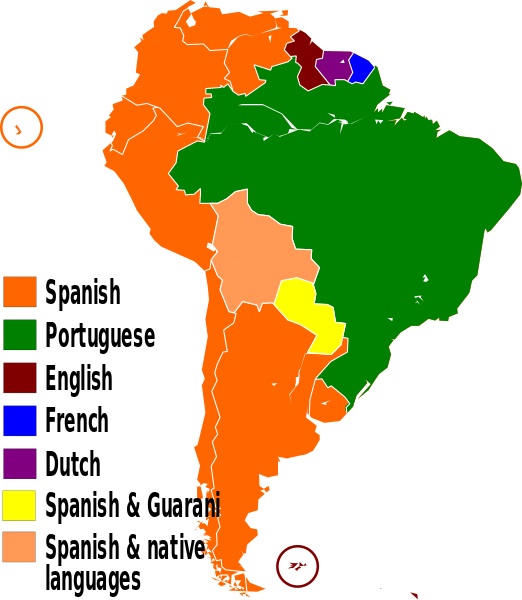
Quechua is the most common indigenous language and still spoken by about 8 to 10 million people.
How to say Hello
|
Famous Festivals and Celebrations in South America
Many festivals and celebrations in South America are vibrant, cheerful, and colourful. One of the most famous events is the Carnival in Rio de Janeiro/ Brazil in February. The top Samba Schools of the country take part in this celebration and there is even a special children's parade. Many street parties are celebrated during this time across the country.
Did you know?
|
Other fun festivals are the Tango Festival in Argentina in March and the Medellín Flower Festival in Colombia in August.
The Tapati Festival is a unique Polynesian celebration which held on Easter Island in February. Easter Island, also called Rapa Nui, belongs to Chile. This festival celebrates traditional music, dance, sports, and the island’s culture.
Landmarks and Attractions in South America
About 40 million international travellers visit the South American continent every year. Roughly as many people visit the South American continent each year as the total number of people living in Canada!
Some people visit South America to see famous cities such as Rio de Janeiro and Buenos Aires.
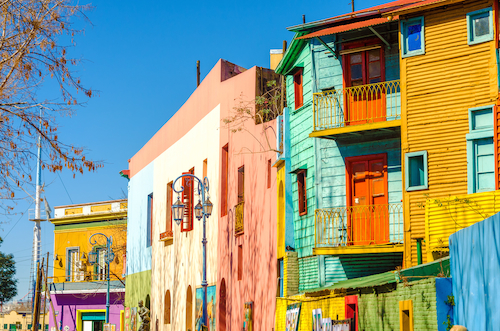 Buenos Aires
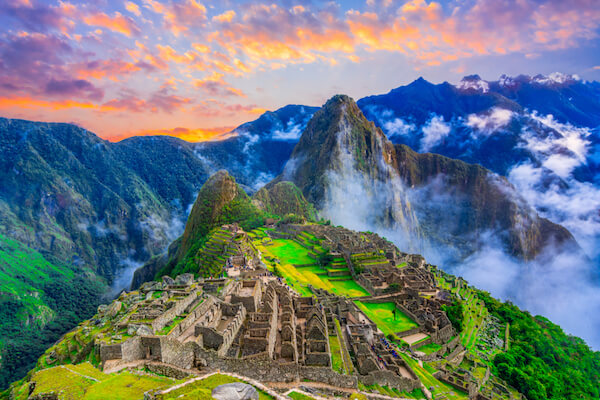
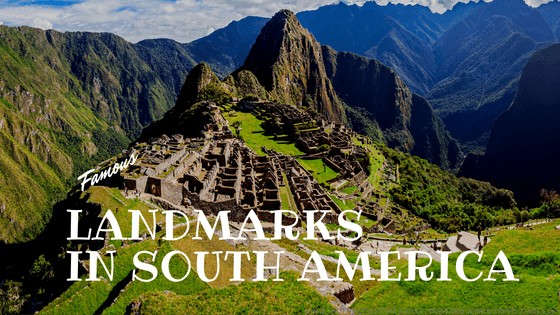
Others want to explore amazing landmarks or UNESCO heritage sites such as Machu Picchu, which had more than 1.5 million visitors in 2024. There are over 70 UNESCO heritage sites in South America and there are stunning cultural and nature sites on the continent which also has five mega diverse countries.
Among the most popular attractions and landmarks in South America are:
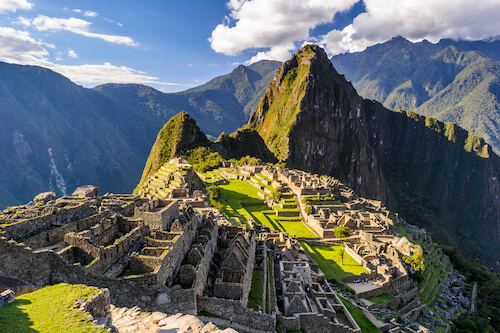 Macchu Picchu in Peru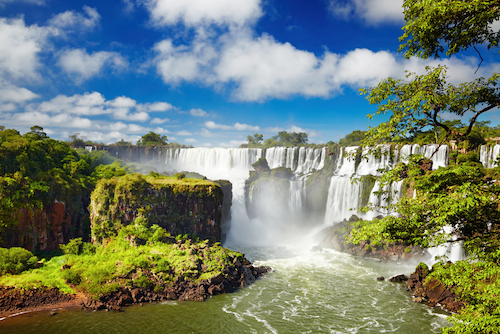
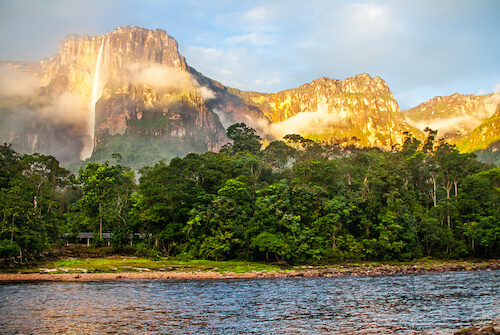
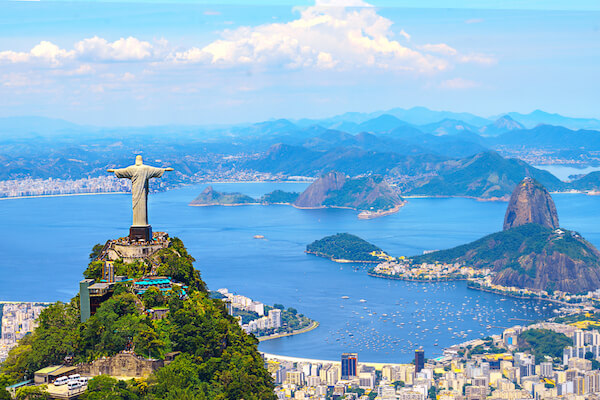
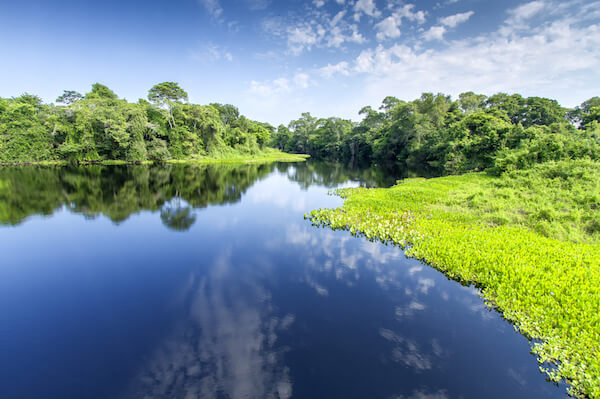 Pantanal Tropical Wetlands in Bolivia and Brazil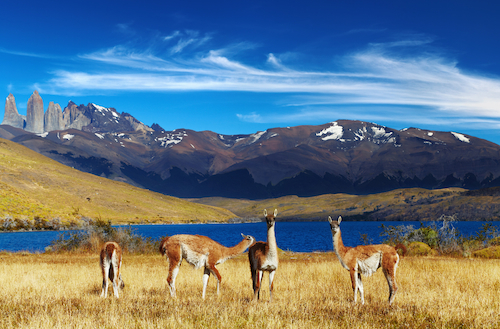
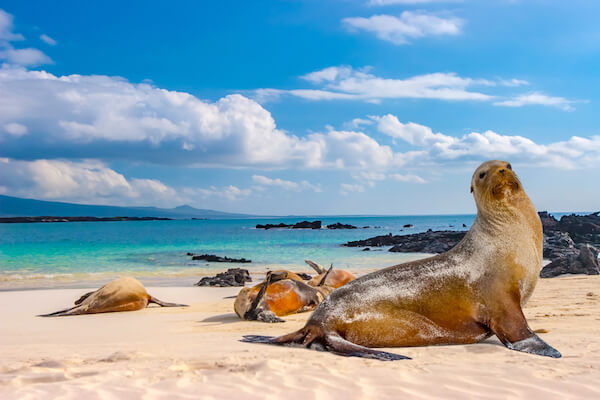
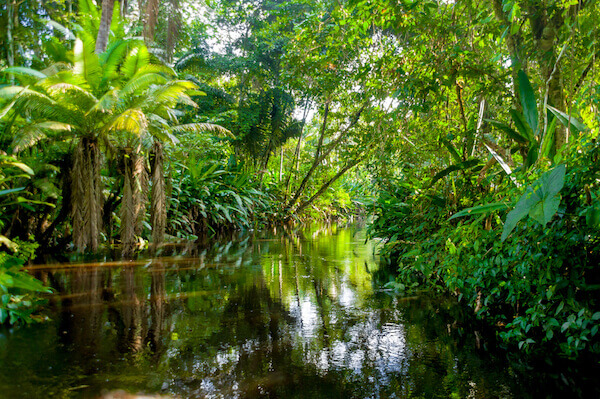
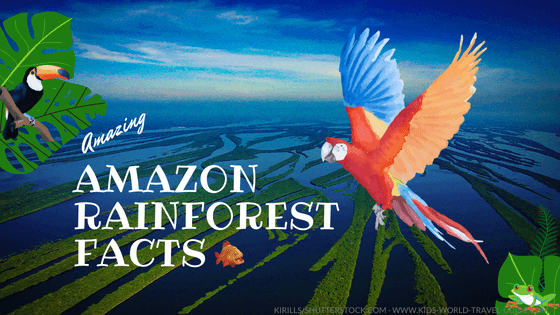
Quick Facts | Amazon Rain Forest
 |
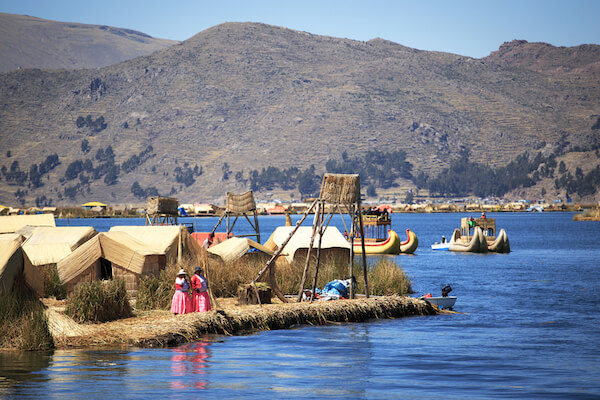 Lake Titicaca in Bolivia
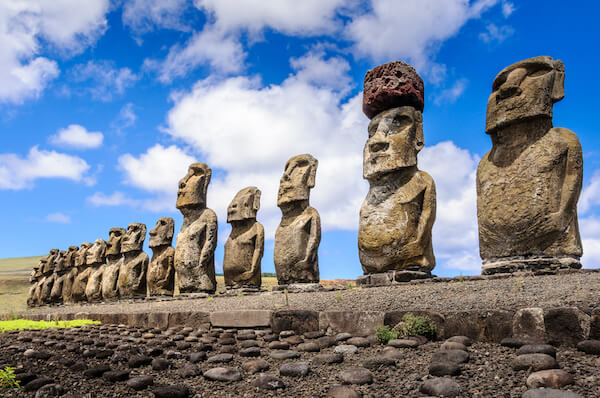 Easter Island of Chile
Largest Cities in South America
The five most populous cities in South America in 2025 are the megacities São Paulo, Buenos Aires, Rio de Janeiro, Bogotá and Lima.
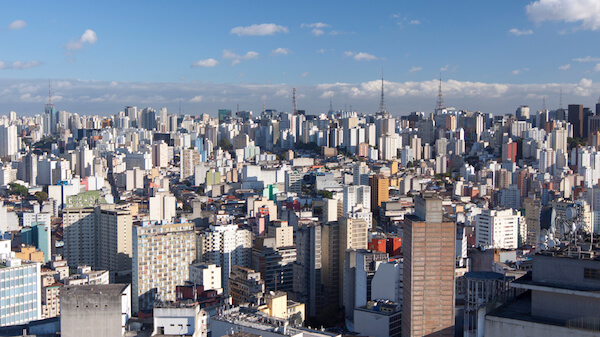 São Paolo São Paolo |
São Paulo in Brazil with almost 23 million inhabitants is the most populous city in South America and a cultural melting pot |
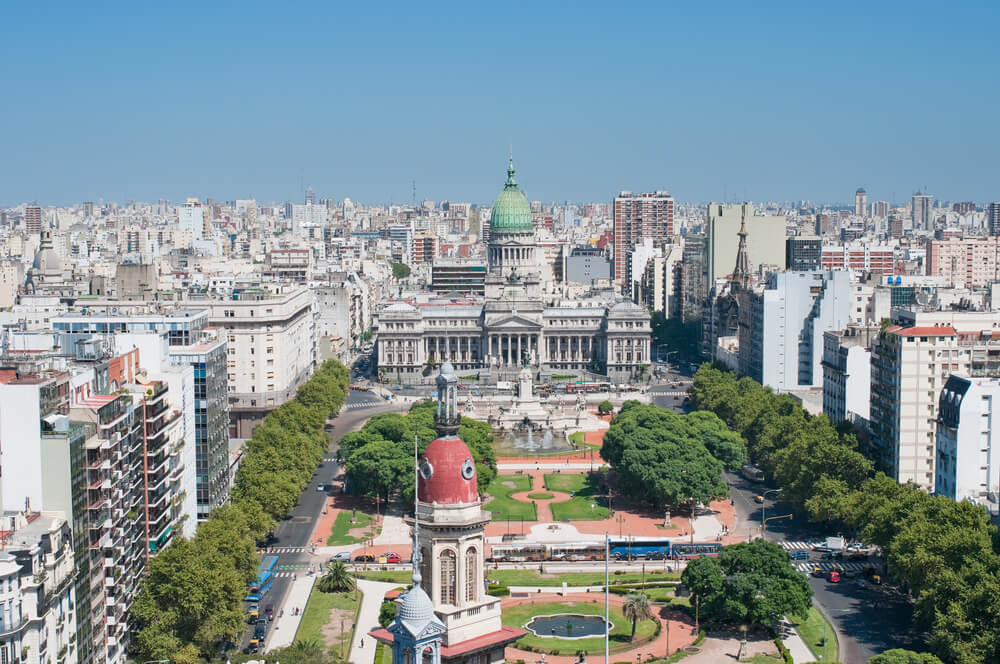 Buenos Aires Buenos Aires |
Buenos Aires in Argentina with 15.7 million inhabitants is known for its architecture and of course tango |
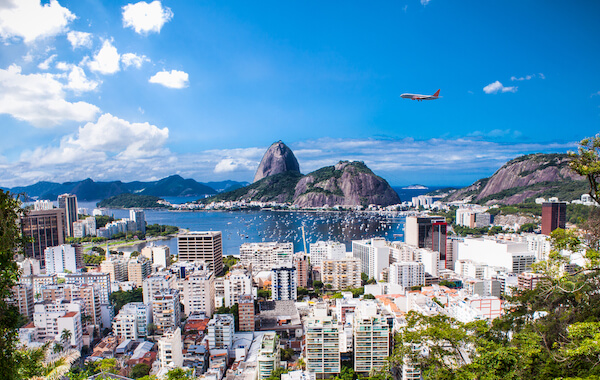 Rio de Janeiro Rio de Janeiro |
Rio de Janeiro in Brazil with almost 14 million inhabitants is also famous for the Copacabana and Ipanema beach |
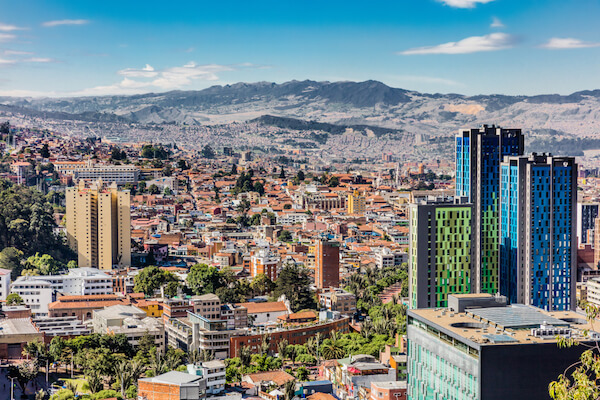 Bogotá Bogotá |
Bogotá in Colombia with almost 12 million inhabitants is the country's capital city and home to ancient gold treasures |
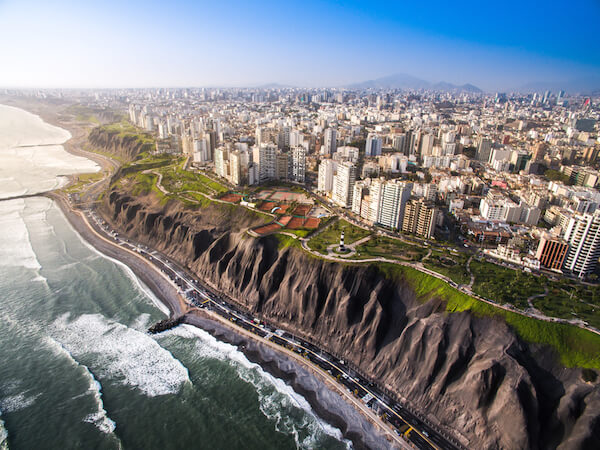 Lima Lima |
Lima in Peru with more than 11 million inhabitants is often referred to as gateway to the ancient Inca site of Machu Picchu |
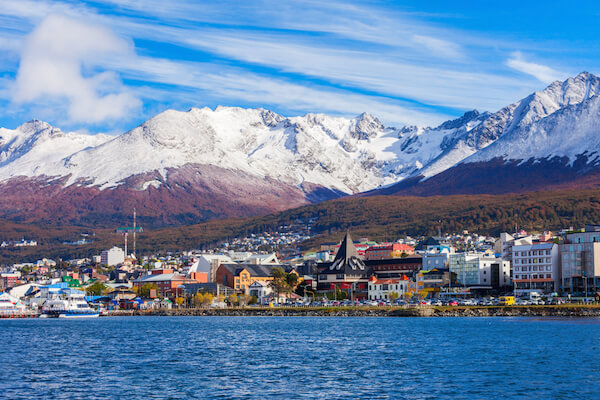 Ushuaia Ushuaia |
Ushuaia is one of the southernmost cities in the world and is famous as the "End of the World." The city lies in Tierra del Fuego/ Argentina, and houses about 75,000 people. |
South America
Nature and Wildlife
The South American continent's rainforests, mountains, grasslands, and oceans are habitats for millions of plant and animal species, many of which are not found anywhere else on Earth. The continent has many biodiversity hotspots and there are five countries that are referred to as "megadiverse".
South America is home to some of the world’s most diverse wildlife, including sloths, capybaras, tapirs, piranhas, macaws and anacondas. There are many endangered animals such as the jaguar, the giant otter or the Amazonian manatee.
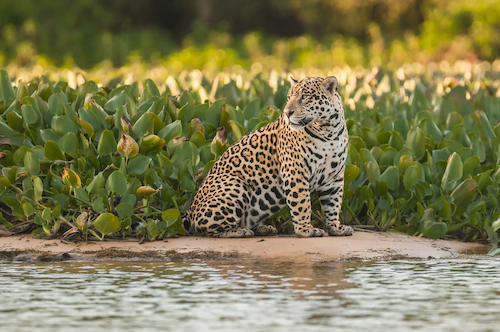 Jaguar in the Pantanal region of the Amazon Basin
Did you know?
|
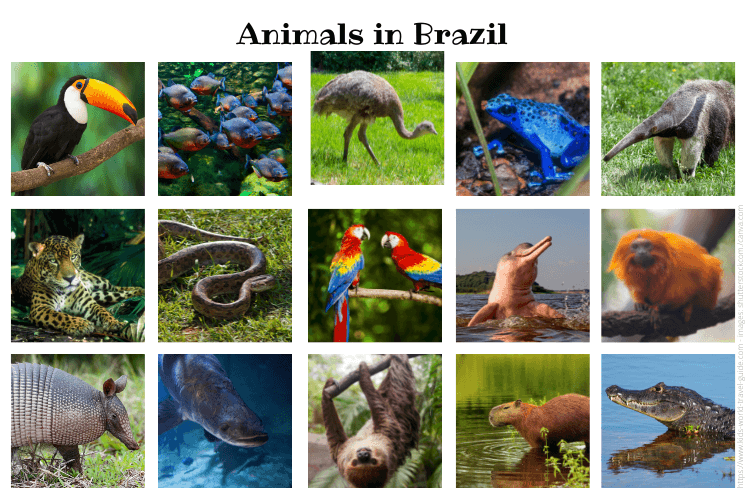
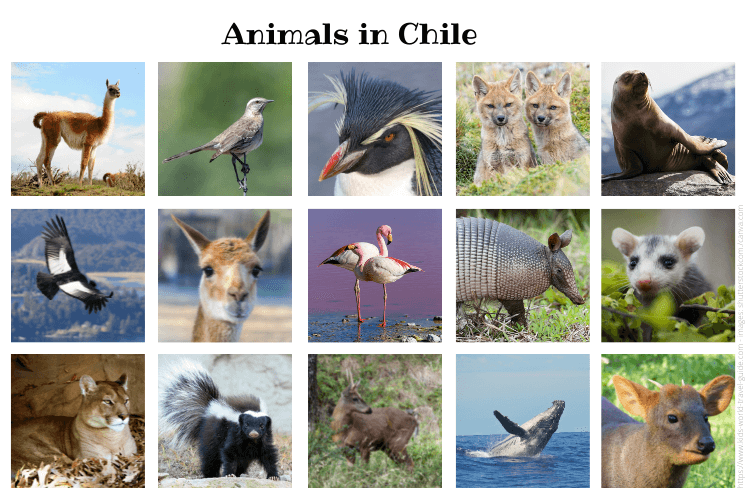
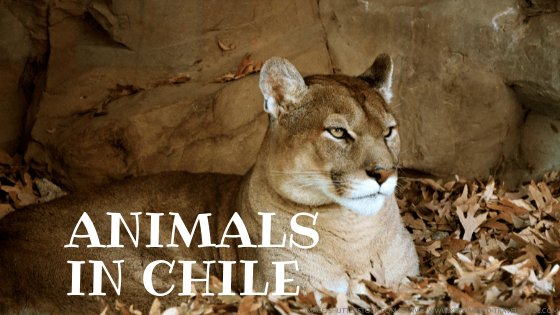
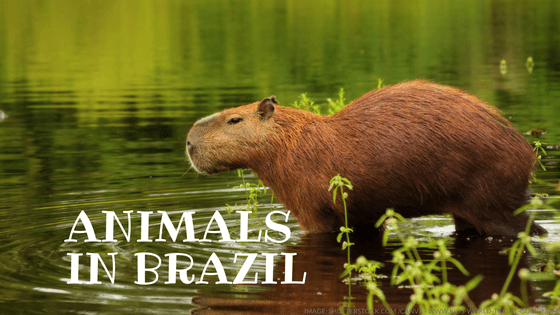
Read about the animals living in the Amazon Rainforest on our special page or find out more about animals in Brazil or Chile (just click on the images).
South America Facts
Economy
South America is rich in important natural resources such as iron ore, which is used to make steel, copper, tin, as well as lithium, which is used to make batteries for phones, laptops, and electric cars. Precious metals such as gold and silver are mined in many South American countries.
The main agricultural produce are corn, coffee, wheat, soybean and cocoa. Brazil is one of the world’s largest producers and exporters of soybeans and coffee, whereas Peru and Ecuador are known for cacao and fruit like bananas and granadillas. There are unique Andean fruits such as lúcuma, the so-called "Gold of the Incas" and soursop, a fruit high in Vitamin C that tastes a bit like a cross of strawberry and mango.
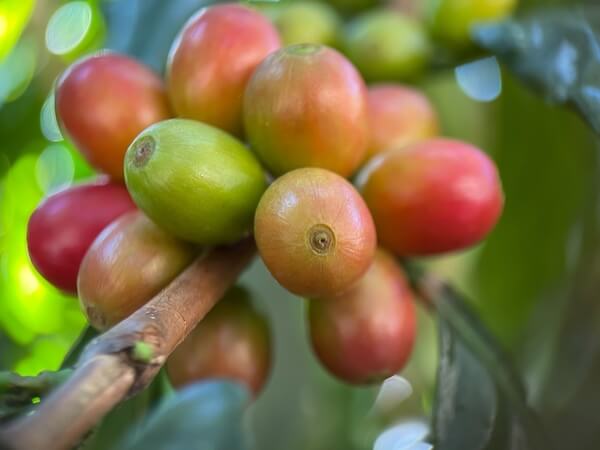 Coffee beans
 Quinoa
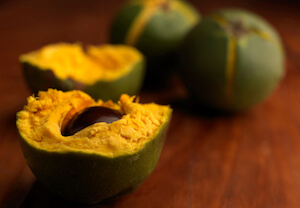 Lucuma
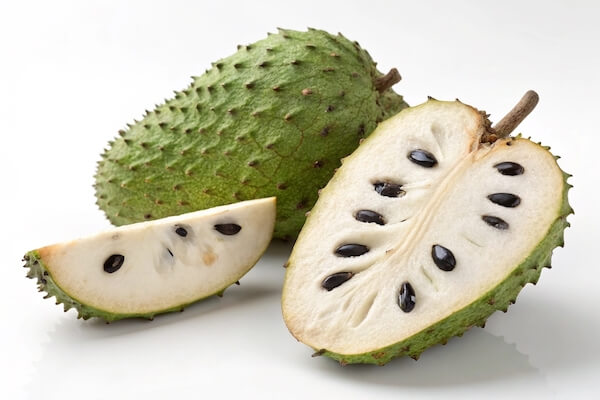 Soursop
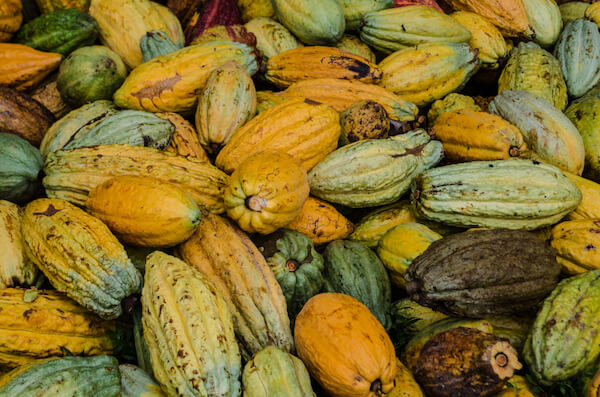 Cocoa beans
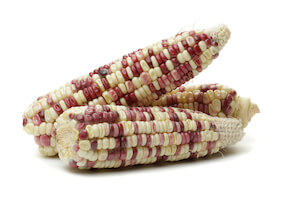 Corn
Corn Granadilla
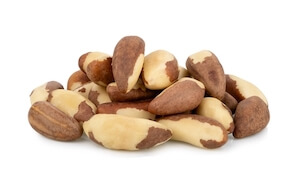 Brazil nuts
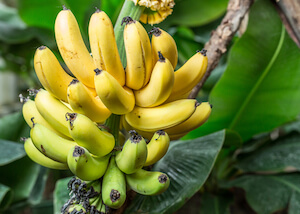 Bananas
Did you know?
|
Mining and oil helped the continent's economy grow, created jobs and made these countries important for global trade. Iron ore from Brazil, copper from Chile and crude oil from Venezuela are exported to countries around the world.
Chile and Peru together hold more than 25% of global copper reserves. Venezuela is famous for its huge crude oil reserves, the country drilled its first commercial oil well in 1914, and soon after became one of the world’s top oil producers.
Test your Knowledge
Popular Pages
Useful Resources for South America Facts
- Central Intelligence Agency. "South America." WorldFactBook. Last accessed 7 January 2026
- National Geographic. "South America Guide - Latest Stories" NatGeo. Last accessed 7 January 2026
- Niccolo Conte. "Mapped: South America’s Biggest Cities in 2025." Visual Capitalist. 19 December 2025. Last accessed 7 January 2026
- Bruno Venditti. "All of the World’s Oil Reserves by Country, in One Visualization." Visual Capitalist. 30 December 2026. Last accessed 7 January 2026
- National Geographic. "World Atlas for Young Explorers". Washington: 2010. pages 86-92
- Millennium. "Earth Condensed - The World Atlas." Millennium House. 2009
Image Credits on South America Facts page: Shutterstock.com and wikipedia commons
Return from South America Facts to Kids-World-Travel-Guide Homepage
Competition
2026

Recent Articles


-
Facts about Tuvalu for Kids: Geography, People and Wildlife
Sep 11, 26 07:15 AM
Explore our facts about Tuvalu and learn about the Polynesian island nation and its geography, people, economy, culture and animals - Worksheets included -
Animals in Norway for Kids: Wildlife Facts
Sep 03, 26 10:50 AM
Animals in Norway explained: meet reindeer, moose, polar bears, whales and puffins, with habitat facts and a short quiz for class. -
Norway Facts for Kids: Fjords, Vikings and Reindeer
Sep 01, 26 09:01 AM
Learn Norway Facts about the land of the Nobel Prize, the Vikings, reindeers, trolls and other attractions
***
South America Quiz
Landmarks in South America
South America Facts
The Countries in South America
according to size
Dependencies in South America
|
More about Countries in
South America
Fun Facts
Fun Games


Animals around the World
Did you like what you read?

|
Copy and paste into mails and onto your website, blog or Facebook page: <a href="https://www.kids-world-travel-guide.com/south-america-facts.html">Kids World Travel Guide: South America Facts for Kids</a> |
Like us on Facebook
Enjoy our Pinterest boards


















Competition 2026