- Homepage
- Norway
Norway Facts
 Norway Facts: Mountains, fjords and Viking towns
Hei, and welcome to Norway! This northern European country is not only known for its steep mountains, magical valleys and deep fjords but also for its unique Arctic wildlife, including reindeer and Arctic foxes. Norway is rich in Viking heritage and Sami culture, and of course, it is home to the annual Nobel Prize ceremonies.
Explore with us the basic facts about this Nordic country, its geographic superlatives, fun facts about its people and culture, fascinating animals and so much more.
Let's start!
Interesting Norway Facts for Kids
 Norway - Snapshot
|
Here are some interesting Norway Facts which were chosen and researched by kids especially for kids.

What you will find on our Norway Facts page:
Norway Facts
Basic Facts
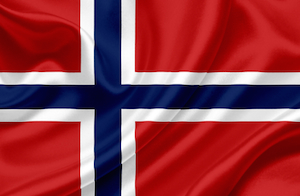 Norway Flag
- Population: 5.6 million people live in Norway (2026)
- Capital: Oslo, with just over 1 million inhabitants
- Name: Kingdom of Norway, short: Norway, in Norwegian: Norge
- Government: Constitutional Monarchy
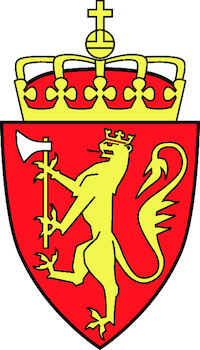 Coat of Arms
- Official Languages: Norwegian, Sámi
- Religion: mainly Christians (more than 70% are Evangelical Lutheran)
- Life expectancy: 83 years
- Currency: 1 Norwegian krone (NOK) = 100 ore
- National Symbols: moose (animal), heather (flower) and the coat of arms
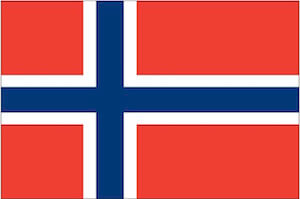
- National Colours: red, white and blue
- National Anthem: Ja, vi elsker dette landet (Yes, we love this country)

- National Day: 17 May (Constitution Day)
- History: People have lived in the region for thousands of years. By about 3000 BCE, mainly Indo-european settlers had their farms in many parts of the region. From about 800 CE, Vikings from Norway travelled to many places and settled in the region. Vikings discovered the island of Iceland around 870 CE. Harald Fairhair is known as the first King of Norway who ruled from around 872 CE and united much of the region. During the 10th and 11th century Christianity spread through the region and Haakon I The Good is often regarded as the first Christian king of Norway. The Black Death raged in the region in the 14th century and reached Norway in 1349. It killed almost half the population of that time. For many centuries, Norway was in a union with Denmark and from 1815 it was in a union with Sweden. In 1905, Norway gained independence from Sweden. The Norwegian people chose to keep a monarchy and Prince Carl of Denmark became King Haakon VII. of Norway.
- Head of State: His Majesty King Haakon VIII
- Prime Minister: Jonas Gahr Støre (since 2021)
Last updated 1 September 2026

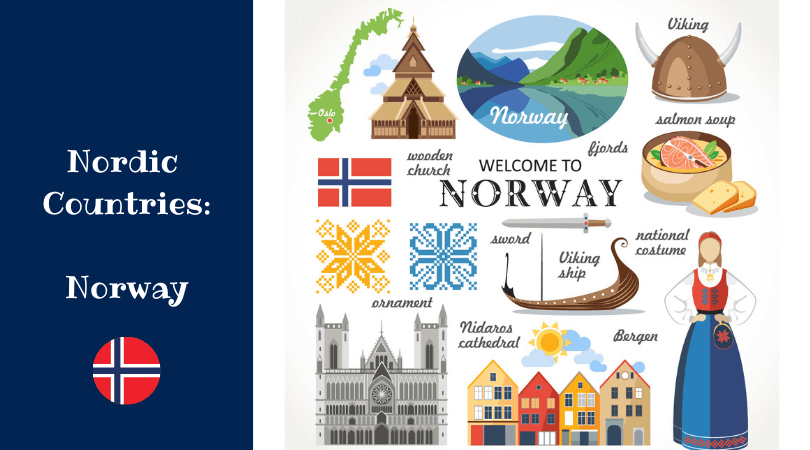
Norway Facts
Norway Map
Where is Norway? Norway is a country in northern Europe. It is situated above the Arctic circle and borders the North Atlantic Ocean and the North Sea.
On the map below you can spot where Norway is located in northern Europe.
Norway is part of Scandinavia with neighbouring countries Sweden, and Denmark. Norway is the westernmost country of the Scandinavian countries.
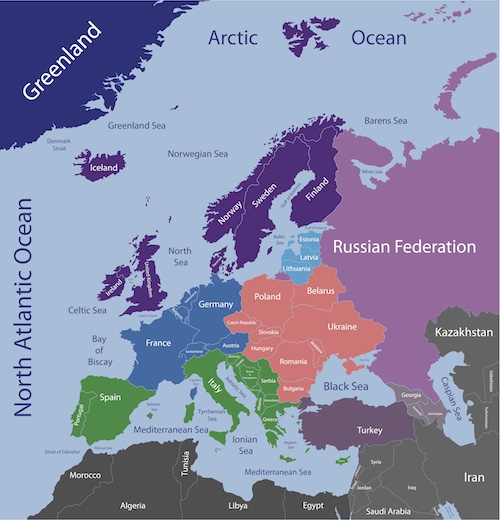 Norway in Northern Europe
Norway is a Nordic country and borders these three countries: Finland, Sweden and Russia. The longest border is shared with Sweden.
The country is covered by mountains, valleys and fjords and has one of the longest coastlines in Europe. The climate is
Norway is slightly larger than the state of New Mexico in the USA and slightly smaller than Vietnam or Italy.
A flight to Oslo takes about two hours from London/UK and 6 hours from New York/USA.
Norway Facts
Norway Geography
- Norway highest mountain is called Galdhøpiggen and is 2,469 m/8,100 ft high.
- The largest lake in Norway is Lake Mjøsa.
- The longest river of Norway is Glomma, called Glåma in Norwegian. It flows for about 621 km/ 386 miles before reaching the Oslofjord at Fredrikstad.
- Sarpsfossen is one of Europe's largest waterfalls with the highest flow rates which means it has a huge volume of water flowing over it.
- Norway has more than 239,000 islands, islets and skerries off its rugged coastline. Skerries, called skjær in Norwegian, are small rocky islands.
- The coastline stretches over more than 100,000 km or 62,000 miles if one includes the islands, fjords and bays.
- The majority of the Norwegians (83%) live in urban areas. The interior of the country is only sparsely populated.
- Oslo, the capital city, is the largest city in Norway. This is Norway's only city that houses more than one million people in its urban area.
- The deepest and longest fjord in Norway is Sognefjord. It is 205 km/ 127 miles long and reaches a depth of 1,303 m / 4,275 ft. Sognefjord is often referred to as the "King of the Fjords".
- Norway has a varied climate. The coastal areas experience mild and wet conditions while the inland usually is much colder and there is more snow in winter, especially in the northern parts of the country.
Did you know?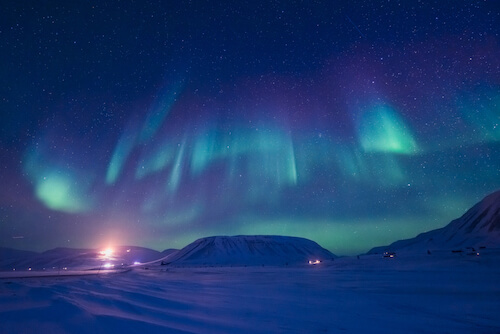
|
🇳🇴 Norway
|
Last updated 2 September 2026 |
Norway
Landmarks and Attractions
Norway has eight natural and cultural wonders that are listed as UNESCO world heritage sites. Among them are Bryggen, which are amazing wooden buildings in Bergen's historic old town, the stave churches, the Vega islands in the country's north and the Norwegian bunad, the traditional costume of Norway.
Here are our favourite Norway attractions for kids:
- Flåmsbana - Flam Railways: Often called one of the most beautiful train trips in the world, this journey leads from the fjords up to the mountains in Western Norway.
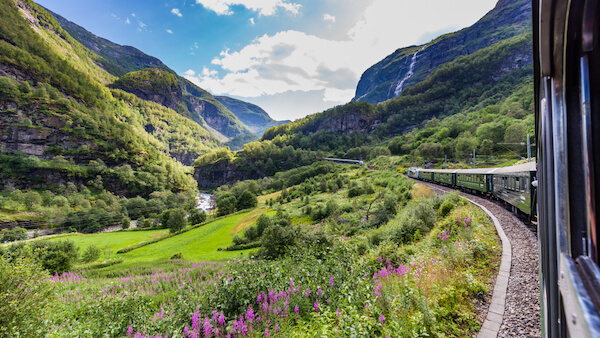 Take the train in Norway_Flåmsbana
- Lofoten Islands: visit the Trollfjord and join nature safaris where you can go whale watching. Here on the archipelago you can experience the fantastic northern lights from September to March.
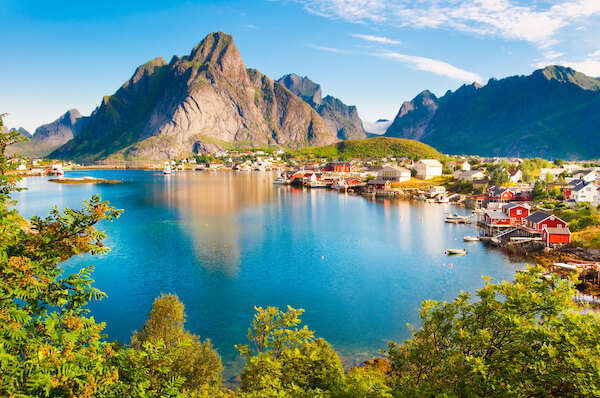 Reine village on the Lofoten islands
- Fjordland: Magnificent waterfalls, glaciers, mountains and green blue waters. Hardangerfjord, Sognefjord and Geirangerfjord are the most popular with visitors. One of the most spectacular fjords in Norway is Geirangerfjord. This fjord is surrounded by snow capped mountains and many waterfalls and is an UNESCO world heritage site.
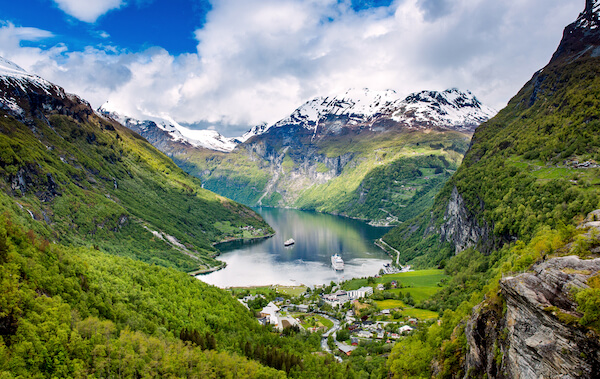 Geiranger Fjord
- Bergen is the second largest city in Norway and known as the gateway to the fjords.
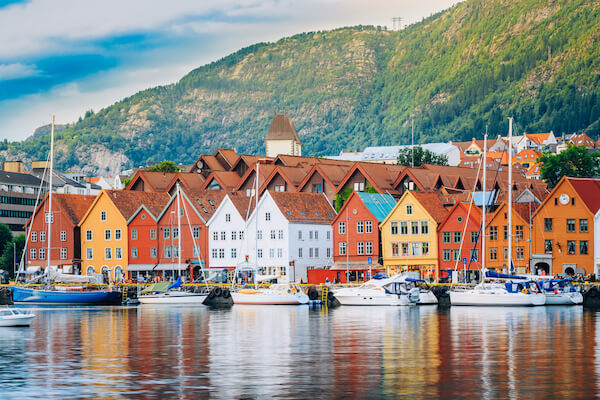 Bergen's historic wharf
- Dog sledding in Norway: Go on an exiting trip with the friendly huskies. Sledding tours are available year-round!
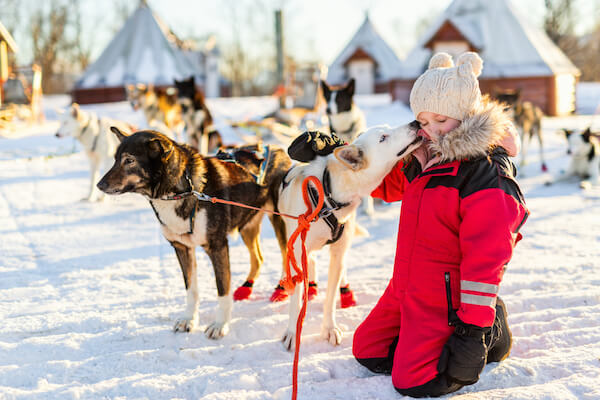 Go dog sledding
- Lillehammer: Go skiing or snowboarding in one of the oldest ski resorts in Norway. Hafjell for example is just a fifteen minute drive out of town.
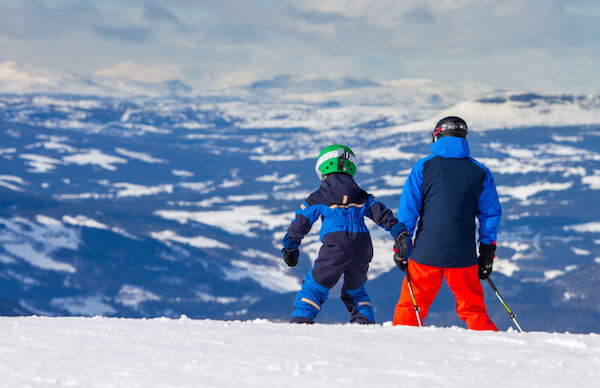 Skiing at Hafjell ski resort
- Oslo: The capital city houses the famous Viking Ship Museum exhibits two of the best preserved Viking ships from the 9th century.
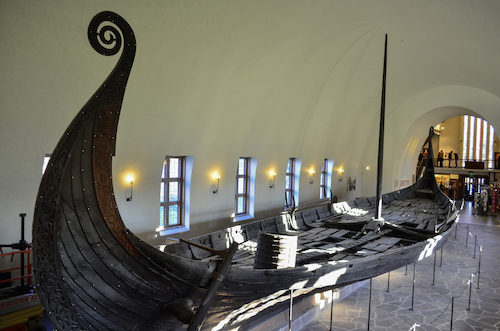 Viking Ship Museum
There are many attractions in Oslo, such as the huge red Cityhall building, the Opera House where you can walk up the roof or the Akershus fortress.
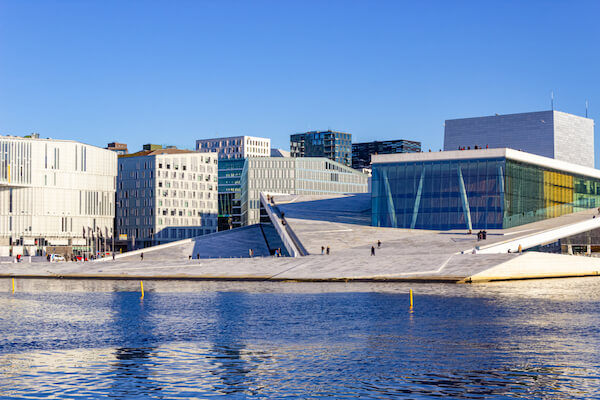 Oslo Opera House
Norwegian history and culture can be experienced in the world's oldest open-air museum. And don't miss the Royal palace!
Norway
People & Culture
|
Norway's Population - Overview
Most Norwegians live in the southern regions of the country where the climate is milder than in the North. More than 83% of Norways population live in urban centers.
The biggest cities in Norway are Oslo, Bergen, Stavanger and Trondheim. Bergen as the second largest city has fewer than half a million inhabitants and most towns are small settlements with less than 10,000 inhabitants.
Some may ask if people in Norway still live like Vikings? Definitely not, Norway is a modern western country and Norwegians live in well built cities and modern towns, but they love celebrating their Viking history in museums and festivals and cherish the Sami heritage.
The Sámi people live in the northern parts of Norway which borders Sweden as well as Finland. They are the indigenous people of the Arctic circle and refer to their homeland as Sápmi.
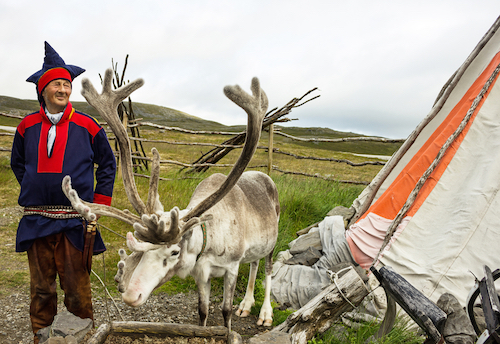 Reindeer herder in typical Sami clothing
Now let's find out what else is important to know about people in Norway:
Norwegian Royal Family
Norway has a king and a queen. The royal family is very popular with the Norwegian population. The royal palace is in Oslo and this is the main residence of the Royal Family.
Since 28 August 2026, the king of Norway is Haakon VIII and the new queen is Mette-Marit.
King Harald V, Haakon VIII's father, passed away on 28 August 2026. The former king was much revered and was married to Sofia and beloved father to Haakon and his sister Märtha Louise.
Last updated 1 September 2026
Did you know?
|
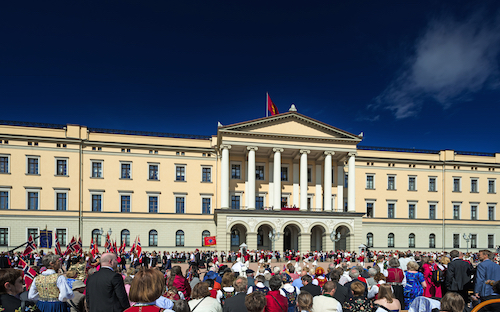 National Day Celebrations at Oslo Royal Palace
10 Famous Norwegians
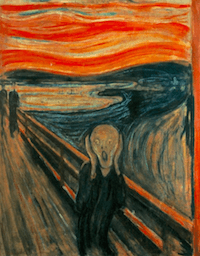 'The Scream' by Edvard Munch
Among the most famous Norwegians are:
- Erik the Red (around 1000 BCE): Erik Thorvaldsson, nicknamed Erik the Red, was a famous Norse Viking explorer who grew up in iceland and later established the first successful Norse colony in Greenland. His son explorer Leif Erikson was another famous explorer.
- Queen Margrete I (1343-1412): first Queen of Norway in 1388. She was a powerful medieval ruler and helped create the Kalmar Union, which united Denmark, Norway and Sweden under one monarch.
- Edvard Grieg (1843 - 1907): composer and pianist of the Romantic period, used a lot of elements from Norwegian folk music in his orchestral works such as "Peer Gynt"
- Edvard Munch (1863 - 1944): artist and painter is most known for his painting 'The Scream'
- Henrik Ibsen (1828-1906): author and playwright of "Peer Gynt" and "A Doll's House"
- Fridtjof Nansen (1861-1930): One of the Norwegian Nobel Peace Prize laureates and explorer of the Polar Sea had a leading role in organizing international relief for famine victims and repatriating hundreds of thousands of prisoners of war.
- Liv Ullmann (born 1938): actress who won two Academy awards and a Golden Globe Award for the film "The Emigrants" is a passionate fighter for human rights and one of the co-founders of UNICEF's Women's Refugee Commission
- Roald Dahl (1916 - 1990): poet, author and screenwriter, most famous for his children's books such as James and the Giant Peach, Charlie and the Chocolate Factory or Matilda
- Erling Haaland (born 2000) is one of the world's most famous footballers. He plays for Manchester City and the Norway national team.
- Johannes Høsflot Klæbo (born 1996): The cross-country skier is one of Norway's most successful Olympians. He won most gold medals of any winter athlete ever in the Winter Olympics.
Last updated 1 September 2026
Festivals in Norway
Norwegians celebrate the Midsummer on the night of 23 June. Norwegians light bonfires to celebrate Midsummer's Eve which is called Sankthansaften or Jonsok and celebrated with a bonfire. This community festival takes place during the Nordic summer solstice.
During this time regions above the Arctic Circle bask in 24-hour daylight and even the far south of Norway gets only about four hours of dim twilight per night.
There are also some festivals that focus on indigenous Sami art, music, literature and culture. These include the international Indigenous festivals called Riddu Riđđu and Márkomeannu, both take place every year in July.
Did you know?
|
Trolls - Norway's Mystical Creatures
Trolls are magical creatures that according to Norway’s folklore live in mountains, forests and caves and have been part of Norwegian storytelling for many centuries.
Trolls appear in many children's stories, artwork and attractions throughout Norway. One of the most famous Norwegian stories is "The Three Billy Goats Gruff", called "De tre bukkene Bruse" in Norwegian.
There is also another famous troll in Norway that is part of the famous Peer Gynt story by Henrik Ibsen. This troll is called Dovregubben, in English "the Mountain King" and inspired also Edvard Grieg's famous music "In the Hall of the Mountain King".
Two of Norway’s most popular tourist attractions are Trollstigen which means "The Troll Ladder" and is a spectacular mountain road near Åndalsnes. The other famous attraction is Trolltunga, which means "The Troll's Tongue" and is a dramatic rock ledge near Odda that just looks like a giant’s tongue.
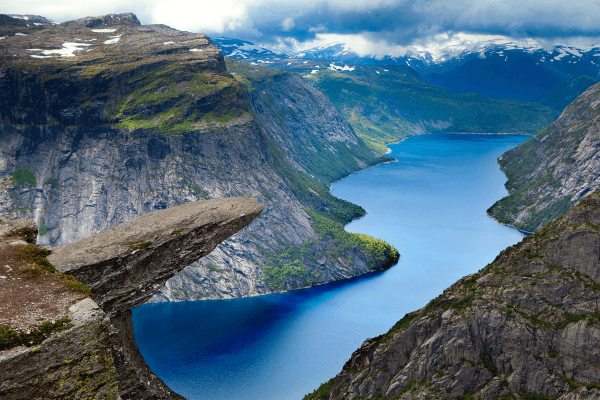 Trolltunga - See the large tongue in the foreground?
Norwegian Language
 "Hei" means "Hello"
The people in Norway mainly speak Norwegian, which is a Germanic language. In the northern parts of Norway, some indigenous people also speak the Sámi language.
The Norwegian language is very similar to the Swedish and Danish languages. Almost all Norwegians can speak English, which is taught in schools as a second language.
The Norwegian alphabet is the same as the Danish alphabet and thus also has 29 letters.
Norway Facts
Economy
Norway is not a member of the European Union as the Norwegians voted against joining the EU in a national referendum in 1994.
Oil and natural gas were discovered in the North Sea off the Norwegian coastline in the 1960s. They are among the country's main natural resources. Norway is also one of the largest seafood producers and exporters in the world.
Most of the country's electricity is produced using hydropower. This is possible due to Norways landscape with mountains, rivers and waterfalls.
The biggest trading partners of Norway are Germany, the UK, the Netherlands, Sweden and China.
Norway Facts
Animals
Norway has many different animals because it has forests, mountains, rivers and a long coastline. Moose, brown bears, wolves and lynx live in the forests and mountains. In Norway, you will also find reindeers. These animals are also called caribou.
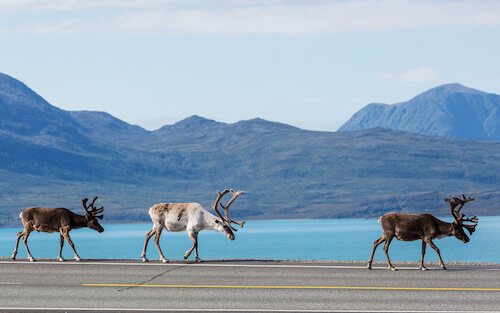 Reindeer in Norway
Reindeer only live in the Northern Hemisphere above the Arctic circle and often travel far to get food. They have antlers which they use for scraping the snow away from the ground to find food. The animals have four toes. It is interesting to know, that reindeer are the only mammals that can see ultraviolet light!
Reindeer are especially important in northern Norway, where they have been herded by the Sámi people for hundreds of years.
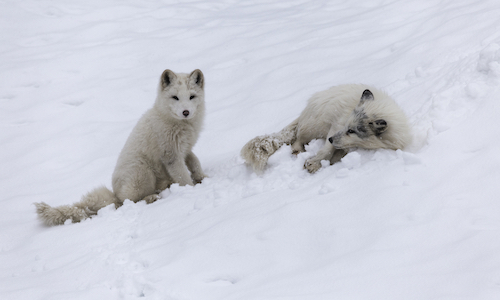 Arctic Foxes playing in snow
Arctic foxes also live in Norway. Their coat changes with the seasons. In winter the fur is mainly grey and white, while in summer it changes to a light brown. In the Arctic islands of Svalbard, you can not only find Arctic foxes and reindeer, but also polar bears!
The cold seas around Norway are home to whales, seals and many types of fish.
Norway Facts
Food
The Norwegian cuisine is known for its fresh fish and seafood dishes, especially salmon, cod and herring. Here are some traditional Norwegian dishes:
- Fårikål: a traditional dish made with lamb and cabbage, which is often called Norway’s national dish.
- Lapskaus: a hearty stew made with meat and vegetables
- Brunost: this is a sweet brown cheese, which tastes like caramel!
At Christmas, many families enjoy pinnekjøtt, which is salted and dried lamb ribs, or ribbe, which is roast pork belly. Norwegians also enjoy waffles, that often are served with brunost, jam or sour cream.
Here is a most enjoyable and funny video by VisitNorway (official tourism authority) telling you more about Norwegian Food:
Norway Facts
FAQs
Where is Norway?
Norway is in northern Europe and lies on the western side of the Scandinavian Peninsula.
Which countries border Norway?
Norway shares borders with Sweden, Finland and Russia.
What is the capital city of Norway?
Oslo is the capital and largest city of Norway.
Which languages are spoken in Norway?
Norwegian is the main language. There are also several Sámi languages spoken, especially in northern Norway.
What is the name of the King of Norway?
The king of Norway is King Haakon VIII.
Which are the most famous attractions in Norway?
Among the most famous attractions in Norway are the spectacular fjords, such as Sognefjord and Geirangerfjord, Bryggen in Bergen, the Lofoten islands and the Viking Ship Museum in Oslo.
Which animals live in Norway?
Norway is home to moose, reindeer, brown bears, wolves, lynx, whales and seals. Polar bears live on the Arctic islands of Svalbard.
What is the name of the famous Norwegian brown cheese?
The name of the famous Norwegian cheese is Brunost.
🇳🇴 Norway Facts
Teacher's Cheat Sheet
Norway is an excellent geography case study because the Nordic country's physical geography is closely connected to its human geography.
Glaciers have created fjords and mountains and this landscape influences settlement patterns and transport options. The sea supports fishing, aquaculture and shipping while rivers provide hydropower. Norway's Arctic location creates distinctive climates and ecosystems and thus Norway is a useful case study for the investigation of several topics including:
- glacial processes and landforms and climate change
- Arctic environments and coastal landscapes
- climate and ocean currents
- population distribution and urbanisation
- natural resources and renewable energy
- energy security and resource management
- human-environment relationships as well as sustainable tourism
Useful questions for your lessons:
- What do you know about Norway's landscape?
- Why does Norway have so many fjords?
- Why is the coastline so long?
- How does Norway's geography influence where people live?
- How is the climate affecting the geography?
- How is climate change affecting the glaciers?
- Why do so many people live along Norway's coastline?
- How has the coastline influenced the country's history and economy?
- Why is hydropower so important to Norway?
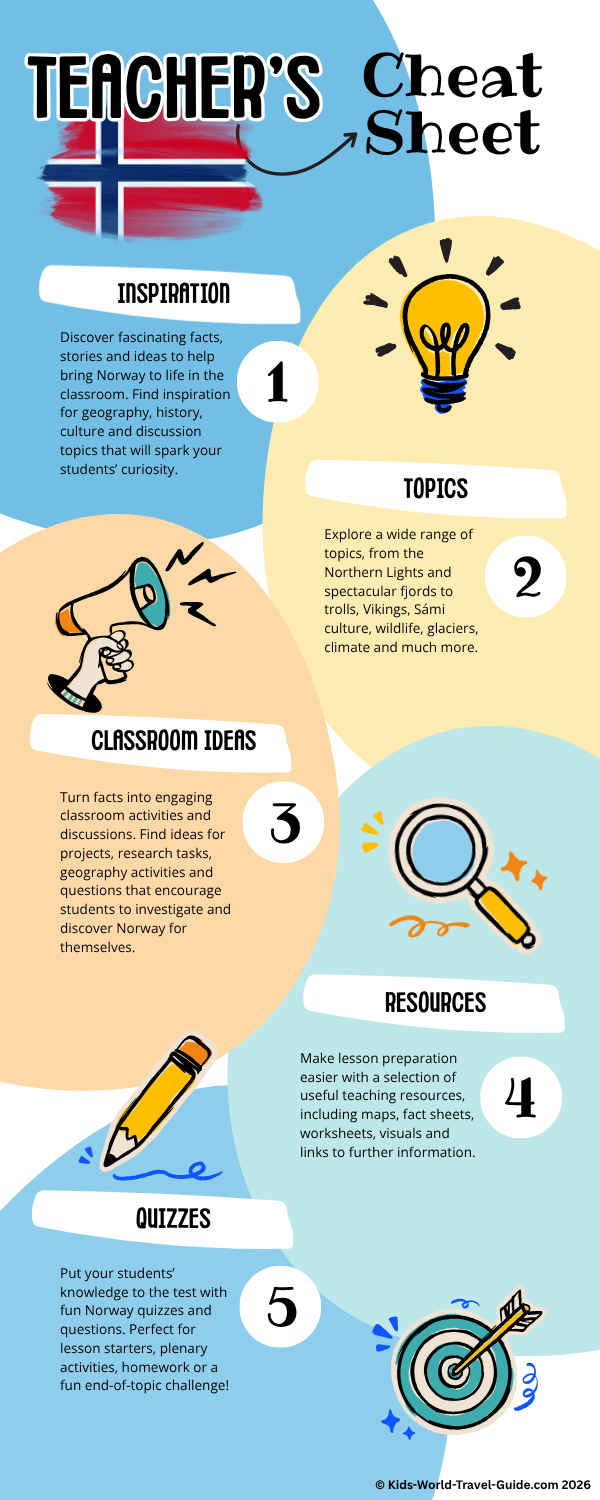
Ready to Explore Norway? Then get your Teacher’s Cheat Sheet and take your students on an educational adventure.
Simply let us know if you would like to get our comprehensive guide "Teacher’s Cheat Sheet for Norway" and start exploring with your students!
Discover a wealth of fascinating topics to explore with your class. Packed with in-depth information about the Northern Lights, trolls, Vikings and much more, this is a very handy guide to help bring Norway to life in the classroom!
Norway Facts for Kids
Useful Resources
- Statistics Norway. "Population." SSB. Last accessed 1 September 2026
- Visit Norway. "Top 10 Destinations in Norway." VisitNorway. Last accessed 1 September 2026
- Royal Court "The Royal House of Norway". Official website of the Royal House of Norway. Last accessed 1 September 2026
We hope you enjoyed reading our Norway Facts for Kids. Make sure to bookmark this page, as we plan to add on more information to make this page even more interesting, not only for children.
Picture credits on this page: Images by SXC.hu and Shutterstock.com, Geiranger Fjord by emanuela (arancia.org) at sxc.hu; Caribou by Garrisonphoto.org;
Thanks to Christine Holo for the corrections!
Popular Pages
 |
 |
 |
 |
Return from Norway Facts to Kids World Travel Guide Homepage
Competition
2026
Recent Articles


-
Facts about Tuvalu for Kids: Geography, People and Wildlife
Sep 11, 26 07:15 AM
Explore our facts about Tuvalu and learn about the Polynesian island nation and its geography, people, economy, culture and animals - Worksheets included -
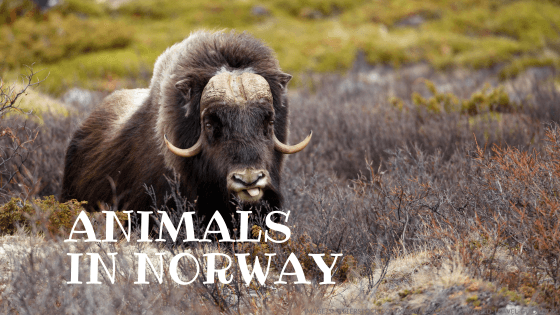
Animals in Norway for Kids: Wildlife Facts
Sep 03, 26 10:50 AM
Animals in Norway explained: meet reindeer, moose, polar bears, whales and puffins, with habitat facts and a short quiz for class. -
Norway Facts for Kids: Fjords, Vikings and Reindeer
Sep 01, 26 09:01 AM
Learn Norway Facts about the land of the Nobel Prize, the Vikings, reindeers, trolls and other attractions
*
More about Norway
More about Europe
More about Countries in Europe
Fun Facts
***
***
Fun Games
Animals around the World
Do you like what you read?

Join us on Facebook



Competition 2026