- Homepage
- Facts about the Olympics
Facts about the Olympics
On this page we will share interesting and fun facts about the Olympics.
The Winter Olympics 2026 in Milan and Cortina in Italy will take place from 6 to 22 February 2026. The Paralympic Games will be held from 6 to 15 March 2026 also in Italy.
 This is what you will find on our Olympic Games Facts page: |
Facts about the Olympics
History
The Olympic Games are one of the biggest and most exciting sports events when athletes from all around the world come together to compete and share their values and cultures.
On this page, you’ll discover amazing Olympic facts, inspiring stories and fun details that will help you understand why the Olympics are so special.
Let's start with an overview of the history of the Olympics:
Ancient Olympics
The first so-called Ancient Olympic Games were held in Greece more than 2,800 years ago.
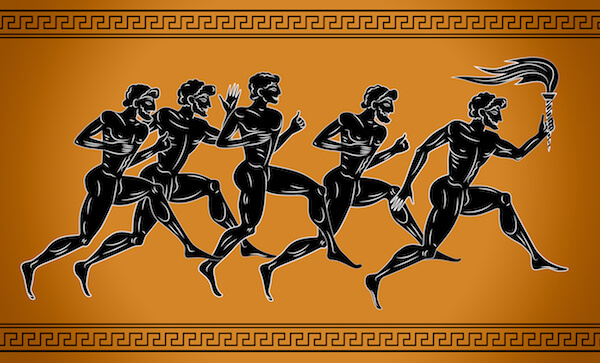
The Games, originally named "Olympiads", take their name from the Greek term which means a period of four years. The ancient Olympiads included athletic events as well as arts festivals and were held as celebrations to honour the Greek gods, especially Zeus. The Greek goddess shown on the Olympic medals is Nike, the goddess of victory. There were regular four-year intervals between these events and the ancient Olympic Games were all held in Greece.
The ancient Olympic Games, known as the Olympiads, were last held in 393 AD.
Read more about Olympic Games Firsts and Superlatives on our special page here.
Modern Olympic Games
The first modern Olympic Games were held in Athens in the summer of 1896. The first multi-sports event was then called Games of the Olympiade and was the biggest international event at that time!
Olympic Games first were only held in summer. Only from 1924 onwards, the Olympic Games were also held in winter.
Both the Summer Olympics and the Winter Olympics take place every four years and thus the Summer Olympics and the Winter Olympics alternate every two years. In 2022 the Winter Olympics took place in Beijing/ China, in 2024 the Summer Olympics were held in Paris/ France and now the 2026 Winter Olympics will be staged from 6 February in Milan and Cortina d'Ampezzo in northern Italy. The next 2028 Summer Olympics will be hosted by the USA.
The Olympics are held in different cities every time. 19 different countries have hosted the Olympics since 1896. Some cities or countries have hosted the Olympics twice or multiple times. The Milano Cortina Winter Olympics will be the first Olympics that are hosted by two cities together.
Summer Olympics
The first Summer Olympic Games in 1896 included fourteen participating countries. Of the 241 athletes, around 200 were from Greece. There were 43 events held across 9 different sports.
The first countries to take part in these games were Greece, the USA, Germany, France, Great Britain and Ireland, Bulgaria, Chile, Hungary, Austria, Australia, Denmark, Sweden and Switzerland.
The competitions in 1896 were held in the following sports disciplines: athletics, cycling, fencing, gymnastics, shooting, swimming, tennis, weightlifting and wrestling.

Did you know? Although women were not yet allowed to compete at the first Olympic Games in 1896, one woman from Greece, 30-year-old Stamata Revithi, joined in the marathon event on her own. Only from 1900 the Olympics opened to female athletes.
Today, the Summer Games are an important event for many different sports. The summer sports with most athletes are athletics, swimming and gymnastics.
Athletics has the the largest teams and almost every country has athletes taking part in the competitions. The sport includes many disciplines such as running, jumping or throwing. Some of the most popular disciplines are the 100-metre sprint, the marathon and the long jump. Think of famous stars like Usain Bolt (Jamaica) or Allyson Felix (USA).
Swimming is popular as well with hundreds of athletes participating in Olympic events such as breaststroke, backstroke, butterfly or relays. Michael Phelps (USA) is the Olympian who achieved the most medals - ever!
Gymnastic is very popular as well. Simone Biles (USA) was one of the stars of the recent Olympics and is known for her incredible tumbling skills. She is the most decorated Olympic gymnast of all time.
Of course, soccer and basketball are also very exciting sports to watch at the Summer Olympics!
Winter Olympics
The first Winter Olympics were held in 1924 with teams from 16 countries. Read more about the Olympic Firsts here.

The sixteen countries that took part in first Winter Olympics were Germany, France, Italy, Great Britain, Hungary, Austria, Switzerland, Belgium, Czechoslovakia, Estonia, Finland, Norway, Poland, Sweden, Canada and the United States.
The competitions in 1924 Winter Olympics included the following sports: ice hockey, speed skating, figure skating, curling, bobsleigh and Nordic skiing including cross-country, ski jumping, and Nordic combined. Alpine skiing was only introduced later in the 1936 Olympics in Garmisch-Partenkirchen/ Germany. These Olympics featured the first downhill and slalom ski competitions.
 Downhill skier Manuel Feller from Austria - image by martinSCphoto/shutterstock.com
The Winter Olympic sports with the most athletes are cross-country skiing, alpine skiing and ice hockey. Events such as figure skating, speed skating and snowboarding are also very popular with viewers. Ski jumping is especially popular in Canada and the Nordic countries.
Winter sports are generally divided into snow sports and ice sports. Snow sports include skiing and snowboarding while ice sports include skating and ice hockey.
Some famous Winter Olympics athletes are Lindsey Vonn (USA), one of the greatest female skiers of all times, Wayne Gretzky (Canada), a legendary hockey player and Mark McMorris (Canada), who is one of the top snowboard stars to watch.
Facts about the Olympics:
Why Olympic Games?
In 1894, Pierre de Coubertin created the idea of an international sports competition, the Modern Olympic Games, to bring countries together and promote peace and friendship. He also founded the International Olympic Committee (IOC).
The Olympics are about showing what humans can do physically and mentally. Athletes train for a long time, often many years, to push their limits and inspire others. It’s not just about winning, the Games are about taking part and trying your best.
The Olympic Games bring people from all over the world together in one place. Athletes compete fairly and respectfully, they follow the rules of the Games and share friendship.

The Ancient Olympics were held to honour the Greek gods, especially Zeus and reward excellent artists, whereas the Modern Olympics focus on spreading the idea of international peace and sports excellence. The Olympic athletes are role models for many people and their stories of hardship, perseverance and courage in overcoming challenges is what inspires most.
As the host country shares its culture and traditions with the world, especially through the torch relay, opening and closing ceremonies, people from around the world get more connected! Thus the Olympics bring people together through sports and culture.
The Olympic Games inspire everyone to aim higher, faster, stronger, and become better, just as the Olympic motto describes.
Facts about the Olympics
Olympic Symbols
There are various Olympic symbols, some of these are permanent such as the Olympic flag or the Olympic flame.
Olympic Flag
 Olympic Rings
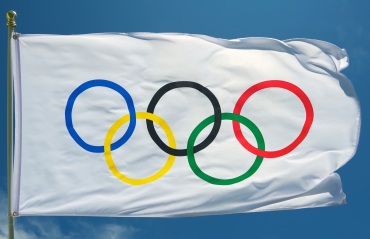
- The Olympic Flag depicts five intertwined rings on white background. The five rings that are linked with each other symbolise the unity and solidarity of the five continents - Africa, America (North and South America) Asia, Australia (and Oceania) and Europe. The Olympic Flag has a white background with the five rings in blue, yellow, black, green and red (from left to right). The flag was first flown at the 1920 Olympics in Antwerp/ Belgium.
Olympic Flame
 Olympic Flame
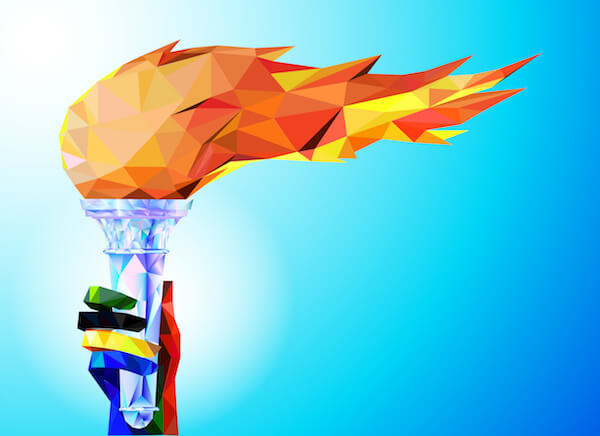
- The Olympic Flame is always lit at the Temple of Hera in Olympia and follows an ancient ritual where the Olympic Flame is lit and also captured in a torch that is used for a torch relay. The newly lit torch is used in the Olympic torch relay then follows a path through participating countries and is a standard routine in the time leading to the opening of the sports events. The route depends on the theme and interests of the host country.
Olympic Mascots
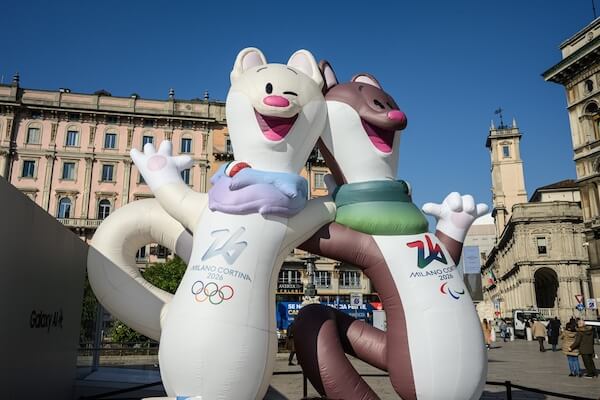 Mascots 2026
- The Olympic mascots are designed by the host country and represent a virtue or cultural trait of the host country and the event. The mascots for the Olympics 2026 are called Milo and Tina. The name refers to the two host towns Milano and Cortina d'Ampezzo.
Olympic Motto
The Olympic motto is Citius - Altius - Fortius (in Latin) which means 'Faster - Higher - Stronger'. The motto was officially adopted in 1924. The Olympic guiding principle is to take part in the Games but this not only for the win. The Olympic Creed was first emphasised by Pierre de Coubertin: "The essential thing is not to have conquered but to have fought well." The ultimate goals are the creation of friendships and "solidarity through fair play as well as the wish for a better world and peaceful harmony between the countries."
Each Olympic games have a specific motto. The unique motto of the 2026 Winter Olympic Games in Italy is 'ITs your tribe'.
Facts about the Olympics
Olympic Medal Facts
Here are 10 fascinating Olympic Medal Facts for you:

- The first, second and third placed athlete of an event will win a gold, silver or bronze medal respectively. The tradition of awarding gold, silver and bronze medals was introduced in 1904.
- In the ancient Olympics winners were not given medals but were awarded with an olive wreath and also in the first two modern Olympic Games in 1896 and 1900 winners only received silver medals and an olive branch.
- While the sportsmen of Greece won the most medals in the first Olympics in 1896, The USA won the most gold medals (11) at that time.
- The USA lead the all-time medal table with 1,219 gold medals, 1,000 silver medals and 876 bronze medals. The USA lead the All-time medal table already 19 times.
- The UK had the most successful games in 1908 in London with 146 medals, this talley they have not topped yet.
- The most decorated Olympian is swimmer Michael Phelps from the USA who won in total 28 medals including 23 gold medals. He participated in the swimming events from 2004 - 2016.
- Michael Phelps, swimmer from the USA, was the first to win eight gold medals in the 2008 Beijing Games.
- Olympic gold medals were only made of solid gold until the 1912 Olympics. Today, gold medals are made with silver and are gold-plated only with about 6g of gold coating, while silver medals are made out of pure silver and bronze medals are mainly made out of copper. Read here more about the 2026 medals.
- All medals weigh roughly 500 grams or 1 pound.
- The value of a medal depends on the current market value of the used metal. As a gold medal only is about 1% gold and the silver prize is significantly lower than gold, the value of a medal is only about 400 - 600 US dollar/ 300 - 460 British pounds . Many countries also award prize money to Olympic medal winners.
Did You Know?
|
Facts about the Olympics
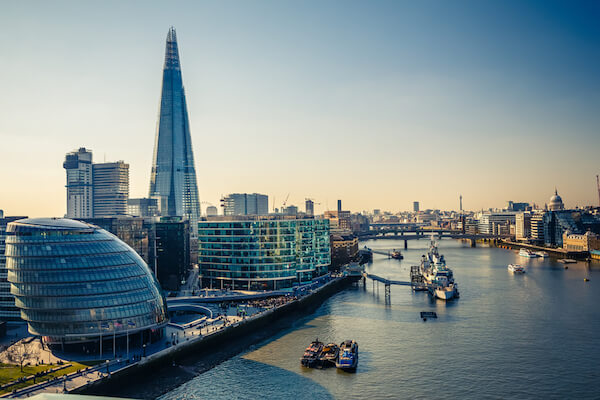
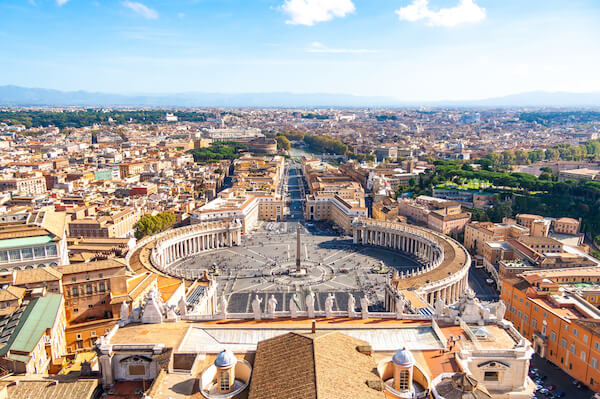
Olympic Host Cities

Read more fascinating facts about host cities on our Olympic Games Firsts page here.
Facts about the Olympics
Inspiring Olympic Athletes
Among the most famous Olympians are Usain Bolt (athletics), Michael Phelps (swimming) or Simone Bilene (gymnastics), who participated very successfully and won numerous medals in the Summer Olympics or set records that are hard to break.
In the Winter Olympic Games, amazing athletes Michaela Shiffrin and Linsey Vonn (alpine skiing), Francesco Friedrich (bobsled), Anna Gasser and Shaun White (snowboarding) keep shining and are fascinating to watch.
Here are five more fascinating young Olympic athletes to watch and cheer for in the 2026 Winter Olympics:
1. Nathan Chen (USA): figure skating

Nathan overcame many injuries and tough competitions before winning 3 gold medals at the 2022 Beijing Winter Olympics. He practiced hundreds of jumps every day and showed us that persistence pays off, if you fall, you brush down and continue. Mistakes are just stepping stones towards success!
2. Zion Bethônico (Brazil): snowboard cross

Zion participated in the Youth Winter Olympics at age 17 and crashed in an early heat, but he got back up and continued - and won a bronze medal. The first-ever Winter Youth Olympic medal for Brazil! Never give up!
3. Eileen Gu (China): freestyle skiing

Eileen (or Ailing) started skiing when she was just 3 years old and worked very hard for many years, practicing flips and jumps. When she was only 18 years old, she won two gold and one silver medal in the 2022 Beijing Winter Olympics. Daily practice and believing in yourself can make you a champion!
4. Indra Brown (Australia): freestyle-halfpipe

Indra is Australia’s youngest Winter Olympian and already has won medals in various World Cup events and keeps grounded with all the media attention. She is passionate about her sport and loves "flying on snow" and mastering her tricks. Enjoy what you do and work hard at it!
5. Chloe Kim (USA): snowboard

Just 17 years old, Chloe won gold in the halfpipe at the 2018 PyeongChang Winter Olympics. As one of the youngest athletes, she faced huge pressure but stayed confident and focused, so she could present her amazing tricks at the Olympics. She showed that if you work hard and believe in yourself, even as a young person, you can achieve incredible things!
Weird Facts about the Olympics
Unusual Sports
There were really some unusual Olympic Sports that once were part of the Games. Some of these were luckily discontinued. Among them were
- Pistol Duelling (with wax bullets shooting on mannequins) in 1906
- Pigeon Shooting (with live pigeons!) in 1900
- Tug of War was part of the Olympics from 1900 until 1920. Great Britain won five medals in this sport!
- Ski ballet was a demonstration sport in the Winter Olympics 1988 and 1992. Skiers danced and spun to music on skis but it seems it was really hard to judge and choose the top medal contenders.
|
Fun Facts about Mascots

There were some really extraordinary Olympic mascots over the years. One of the most loved mascots ever was Waldi the Dachshund, the mascot of the 1972 Munich Olympics. This brightly coloured happy dog radiated energy and happiness.
Soohorang, the mascot from the 2018 PyeongChang Olympics was unique as the white tiger was inspired by a famous Korean legend.
Then there was Misha, a brown bear mascot that was very popular in the 1980 Moscow Olympics. The visitors cried together with the tearful bear when the closing ceremony ended.
Or Izzy, the first computer-created mascot, in the 1996 Atlanta Olympics, that was not based on human figure or animal. Initially it was even called "Wkhatizit"! This mascot was so unusual, it looked a bit like a blue blob. People weren’t sure which animal it could even be!
Can you name some of the Olympic mascots in the image above? Read the answer below.
See also our pages for some specific Olympic games here:
 |
 |
 |
 |
Cancellations and Boycotts
The 2026 Olympics are overshadowed by the ongoing war of Russia in Ukraine - as were the 2024 Olympics. Russian and Belarusian athletes again will only be allowed to participate as long as they have not supported the war and take part as a "neutral" team without country flag.
Boycotts by different countries happened throughout history.
- The 1980 Olympic games in Moscow/ UdSSR (today Russia) were boycotted by 66 countries including the USA, Canada, West Germany and Japan due to the invasion of Afghanistan by the Soviet Union in 1979.
- The following 1984 Summer Olympics in Los Angeles/ USA were then boycotted by the Soviet Union and its allies in "Eastern Block" countries of Europe.
There were three cancellations of the Summer Olympic Games due to the world wars.
- The 1916 Summer Olympics were cancelled for World War I
- 1940 and 1944 Olympic Games were cancelled during World War II.
- The 2020 Olympics were postponed one year due to the Covid-19 pandemic and took place in July and August 2021.
Facts about the Olympics
Related Pages
 |
 |
 |
 |
Facts about the Olympics | Resources
For our page Facts about the Olympics, the following resources were used.
- The International Olympic Committee (IOC). "Olympic Medals." Olympic.org. Last accessed 5 February 2026
- IOC. Paris Olympics. Paris2024.org. Last accessed 5 February 2026
- The International Olympic Committee. "Olympic Phryge." Olympic.org Last accessed 5 February 2026
- The International Olympic Committee. "Olympic House." Olympic.org. Last accessed 5 February 2026
Answer: Mascot Names
The names of these fascinating mascots (from left top to right bottom) are: Misha (Moscow 1980), Phryge (Paris 1924), Waldi (Munich 1972), Big Dwen Dwen (Beijing 2022), Soohorang (PyeongChang 2018), Syd and Millie (Sydney 2000), Bely Mishka, Leopard and Zaika (Sochi 2014), Tina and Milo (Milano Cortina 2026), Håkon and Kristin (Lillehammer 1994), Cobi (Barcelona 1992), Nini (Beijing 2008), Wenlock (London 2012), Izzy (Atlanta 1996), Vinicius (Rio de Janeiro 2016), Miraitowa (Tokyo 2020)
Image Credits
Images on the Facts about the Olympics page: Tokyo Olympics Header Image: Chaay_Tee/ shutterstock.com; torch: KirillS/ shutterstock.com; Mascots: Octavio Acosta Carlock/ shutterstock.com; Logo: Krovop58/ shutterstock.com; Medal: olympic.org
Young Olympians: Nathan Chen by David W. Carmichael - davecskatingphoto.com., CC BY-SA 3.0 , via Wikimedia Commons; Eileen Gu by Martin Rulsch, Wikimedia Commons, CC BY-SA 4.0, CC BY-SA 4.0 , via Wikimedia Commons, Zion Bethonico from COB, Indra Brown from ABC, Chloe Kim - image by Danielle Parhizkaran-Imagn Images from Yardbarker
Image Credits for Olympic Mascots: All images taken from shutterstock.com, canva.com or wikimedia Commons - cloudydesign/shutterstock.com; manuel esteban/ shutterstock.com, tristantan/shutterstock.com, svitlana shepitsena/shutterstock.com; SJBright/shutterstock.com, Victor Velter/shutterstock.com - All only for educational and non-commercial purpose
Competition
2026

More about the Olympics
Previous Olympics
Olympics 2026:
More about Italy



Temperature in Celsius
MILAN WEATHERTemperature in Fahrenheit
MILAN WEATHER
More about Countries in Europe

Like us
Competition 2026